Abhijeet Dipke Launches 'School Thik Karo' Campaign in Hingoli's Santuk Pimpri
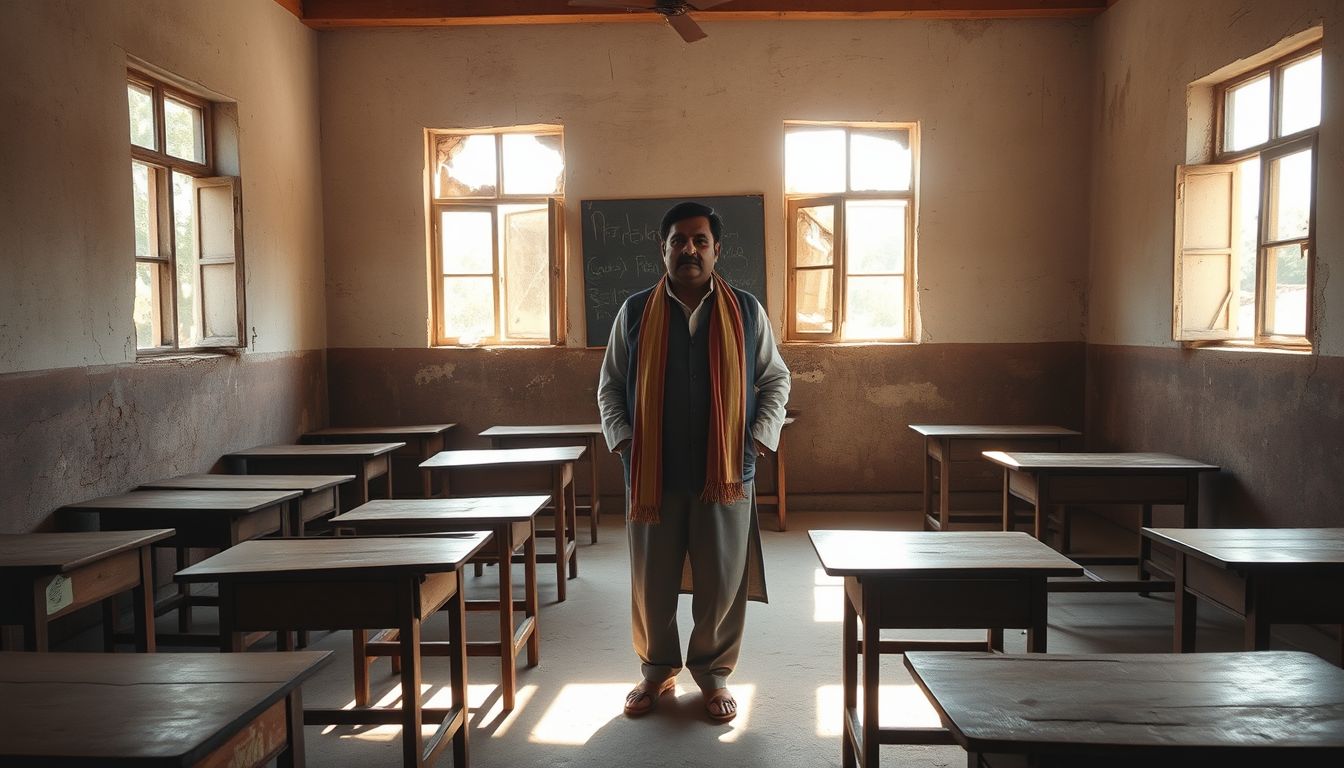
Cockroach Janta Party convenor Abhijeet Dipke launched his 'School Thik Karo' campaign on Saturday from Santuk Pimpri village in Hingoli district, alleging that government neglect has left pupils in state-run schools without essential facilities.
Dipke visited Santuk Pimpri on Independence Day to attend a flag-hoisting ceremony and inspect the local Zilla Parishad school. During his inspection, he stated that the school toilets lacked running water, windows were broken, and only four benches were available despite a higher student enrolment. He also claimed that broken window frames had been covered with political banners featuring Deputy Chief Minister Eknath Shinde.
Addressing reporters, Dipke questioned how the country could develop when basic amenities like water remain absent from state-run schools. He alleged that the washroom appeared to have been cleaned immediately prior to his visit, pointing out that students could not use the facilities without a water supply. He asked why government-run schools were unable to provide adequate seating when private institutions managed to do so.
As part of the initiative, Dipke announced that his party has prepared a checklist to assess basic infrastructure across educational institutions. The party intends to collect data from schools throughout Maharashtra and across the country before compiling the findings. Dipke stated that in the next phase of the drive, he will visit government-run schools in other talukas across the state to review conditions.
Dipke alleged that over 94,000 state-run schools had closed across India over the past decade, arguing that the reduction of government education budgets benefited private institutions at the expense of equal opportunities for children.
Alongside calls to improve government school infrastructure, Dipke demanded a cap on private school fees, stating that charges ranging from Rs 1 lakh to Rs 1.5 lakh make private education unaffordable for families from lower-income backgrounds.