Abu Azmi Opposes August 15 Marathi Mandate for Mumbai Drivers
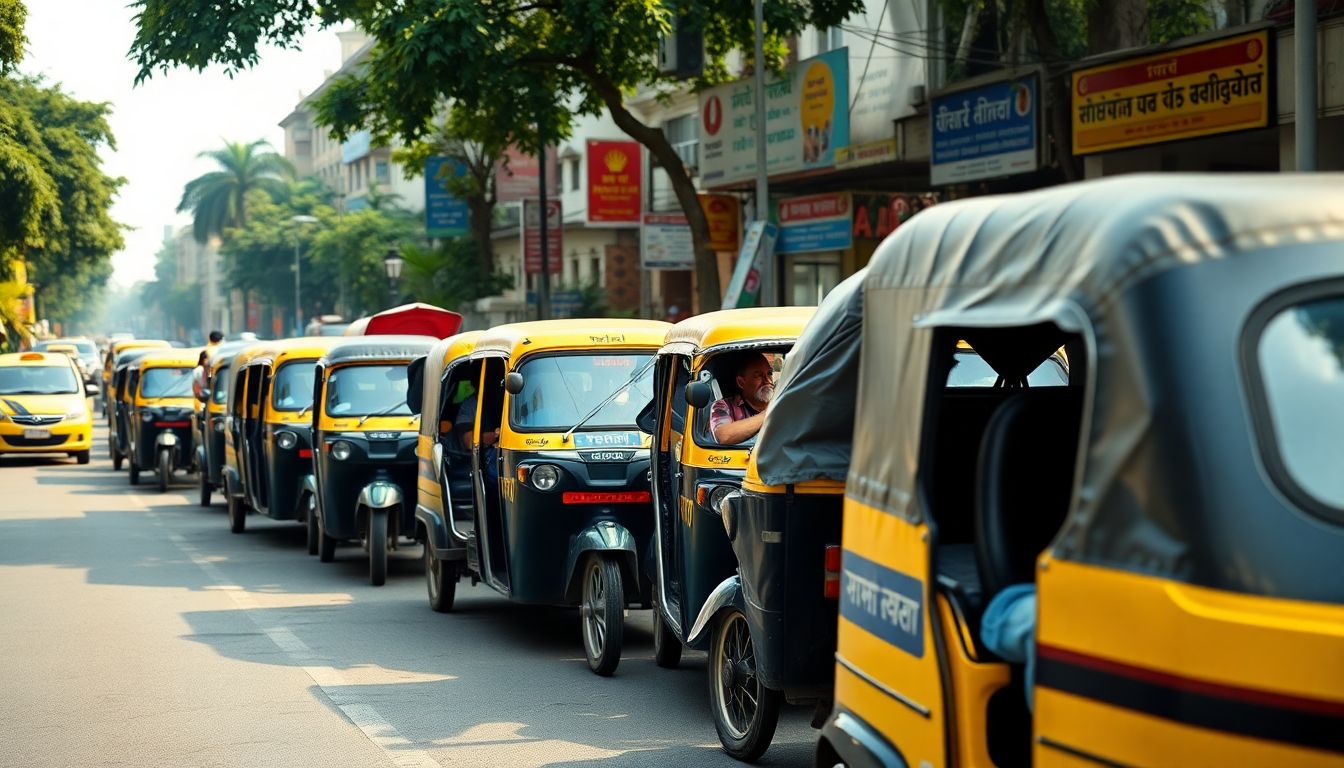
Samajwadi Party legislator Abu Azmi on Thursday criticized the Maharashtra government over its August 15 deadline requiring taxi and auto-rickshaw drivers in Mumbai to learn Marathi. Azmi, the MLA from Mankhurd in Mumbai, claimed that enforcing the mandatory requirement without giving drivers adequate time would cause severe injustice and disrupt the daily pace of the city.
The remarks came a day after Maharashtra Transport Minister Pratap Sarnaik stated that the state government would not extend the August 15 deadline set for non-Marathi taxi and auto-rickshaw drivers. In response, Azmi alleged that the decision was politically motivated and driven by vote-bank politics.
Speaking to reporters, Azmi warned that canceling the licenses of drivers who fail to meet the August deadline would lead to poverty, starvation, and widespread trouble. He argued that workers who drive vehicles and serve Mumbai should not be penalized or forced to migrate out of the economic capital.
The SP leader urged the government to extend the deadline by six months and suggested implementing a gradual approach over one to three years. He recommended introducing Marathi classes, distributing learning books, and making the language compulsory in schools to help non-Marathi speakers pick up the language over time rather than imposing strict deadlines.
Azmi revealed that he had spoken directly to the Chief Minister regarding the issue, adding that the Chief Minister assured him there would be no such problems. While emphasizing that the Marathi language deserves full respect, Azmi asserted that people learn languages gradually.
Drawing historical parallels, Azmi recalled how Kolkata lost its position as an economic hub after conflicts arose between locals and migrant workers from Uttar Pradesh and Bihar who operated auto-rickshaws there. He noted that workers subsequently migrated to Mumbai, helping it become the country's economic capital.
Azmi also referenced the COVID-19 pandemic, recalling how Mumbai struggled when migrant workers left the city during lockdowns. He noted that businessmen, builders, and factory operators had to arrange transport and train tickets to bring labourers back from Bihar and Uttar Pradesh once restrictions eased, demonstrating the city's reliance on migrant workers.