Archaeology Officials Inspect 500-Year-Old Historic Structure in Mahape MIDC
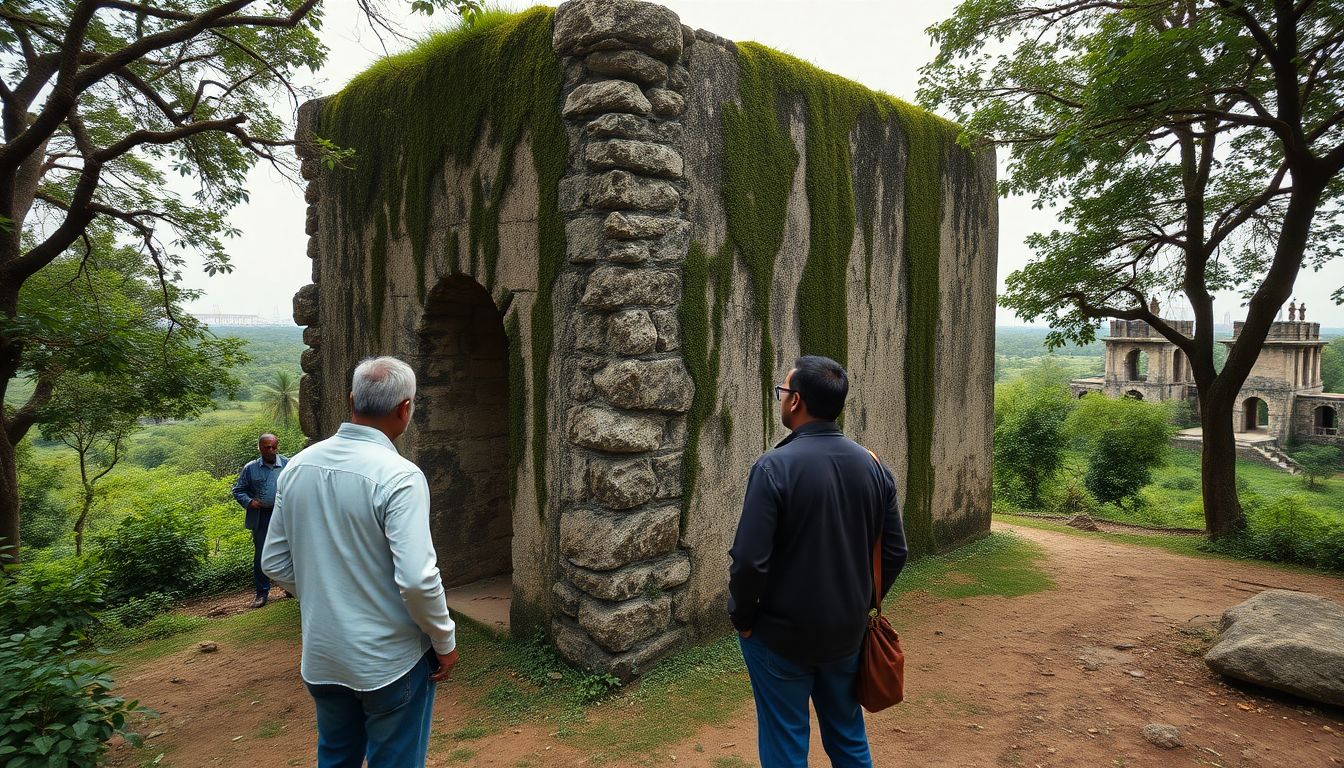
A historic structure discovered in the Mahape MIDC area of Navi Mumbai could date back at least 500 years and may have links to the Portuguese era, according to preliminary observations by senior officials from the state archaeology department who inspected the site on Wednesday, September 2.
Archaeology department officials Dr Mayur Thakre and Sumedh Gaikwad conducted a detailed inspection of the structure and its immediate surroundings. Their initial assessment indicated that the site is possibly associated with the Portuguese period and could be at least five centuries old.
During the visit, the officials also examined the surrounding land, where other remains believed to be connected to the structure were reportedly located. These findings have raised the possibility that the wider Mahape area holds considerable historical and archaeological significance.
The inspection comes as heritage activists and residents seek formal intervention to ensure the site is scientifically documented and shielded from destruction. The discovery has prompted concerns over safeguarding historical remnants amid the rapid industrial and urban expansion taking place across Navi Mumbai.
Sanket Doke, president of Navi Mumbai Vikas Adhishthan, was present during the inspection and noted that the visit by archaeology officials had reinforced calls for the site's preservation. The organisation has been in contact with authorities to demand that the site remain safeguarded until its background is conclusively verified.
“While Navi Mumbai continues to develop, its history and heritage must also be preserved. This is not merely a pile of stones or an old structure but a testimony to the history of our city. It is therefore essential to protect it until scientific conservation and preservation measures are undertaken,” Doke said.
The archaeology department is expected to compile a detailed report following the site visit. Once completed, the report will be made available to the public and is expected to provide conclusive clarity on the structure's age, origin, and historical importance, as well as recommendations for formal conservation measures.