Bhiwandi Power Consumers Face Higher August Bills Under Revised FAC Rates
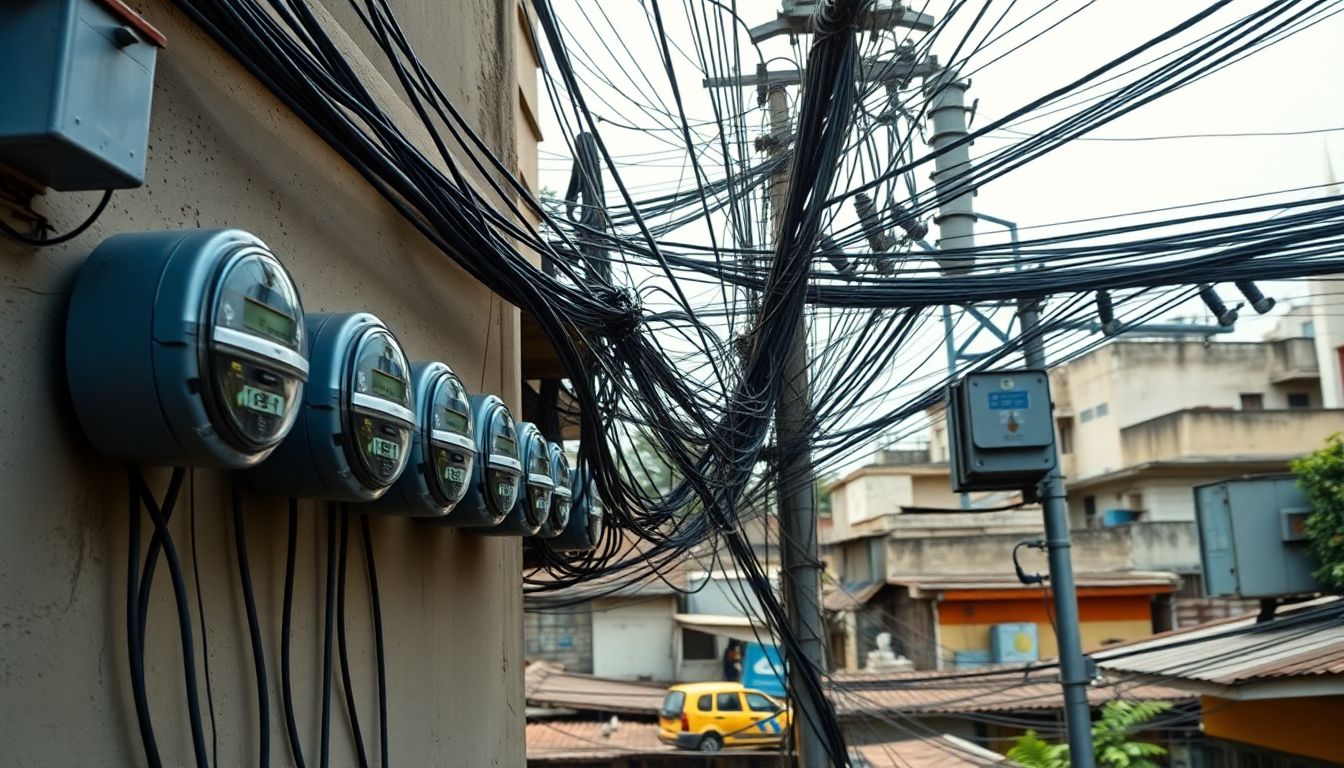
Electricity consumers in Bhiwandi are set to face higher power bills in August as additional charges under the Fuel Adjustment Charges (FAC) mechanism are implemented for power consumed during July.
The revised tariff structure will apply across various categories, including domestic households, industrial units, commercial establishments, and electric vehicle charging points, with the levy varying according to consumption levels.
Under the updated domestic slab, consumers under the Below Poverty Line (BPL) category will pay an additional 10 paise per unit. Domestic users consuming up to 100 units will see an extra charge of 20 paise per unit. For consumption between 101 and 300 units, the charge rises to 40 paise per unit, while those using between 301 and 500 units will pay 55 paise per unit. Households using more than 500 units of electricity will incur an additional charge of 60 paise per unit.
Commercial and industrial consumers will also experience cost increases under the revised mechanism. High-tension industrial consumers will be charged an additional 30 to 45 paise per unit, whereas low-tension industrial users will face an increase between 25 and 35 paise per unit. Low-tension commercial consumers will bear an additional burden ranging from 40 to 60 paise per unit depending on their consumption category. Electric vehicle charging stations will incur an additional FAC levy of 30 paise per unit.
The tariff revision has raised concerns among local businesses, particularly in Bhiwandi's textile and manufacturing sectors. Bhiwandi Powerloom Organisation President Tirupati V. Siripuram stated that the higher electricity tariffs could increase production costs and put pressure on businesses already managing operational expenses.
Siripuram urged consumers to examine their monthly electricity bills closely and understand the tariff structures, noting that citizens should pay attention to unit-wise tariffs and additional levies rather than viewing bills solely as payment documents.