BMC Reviews Water Strategy As Mumbai Lakes Drop To 15 Percent Capacity
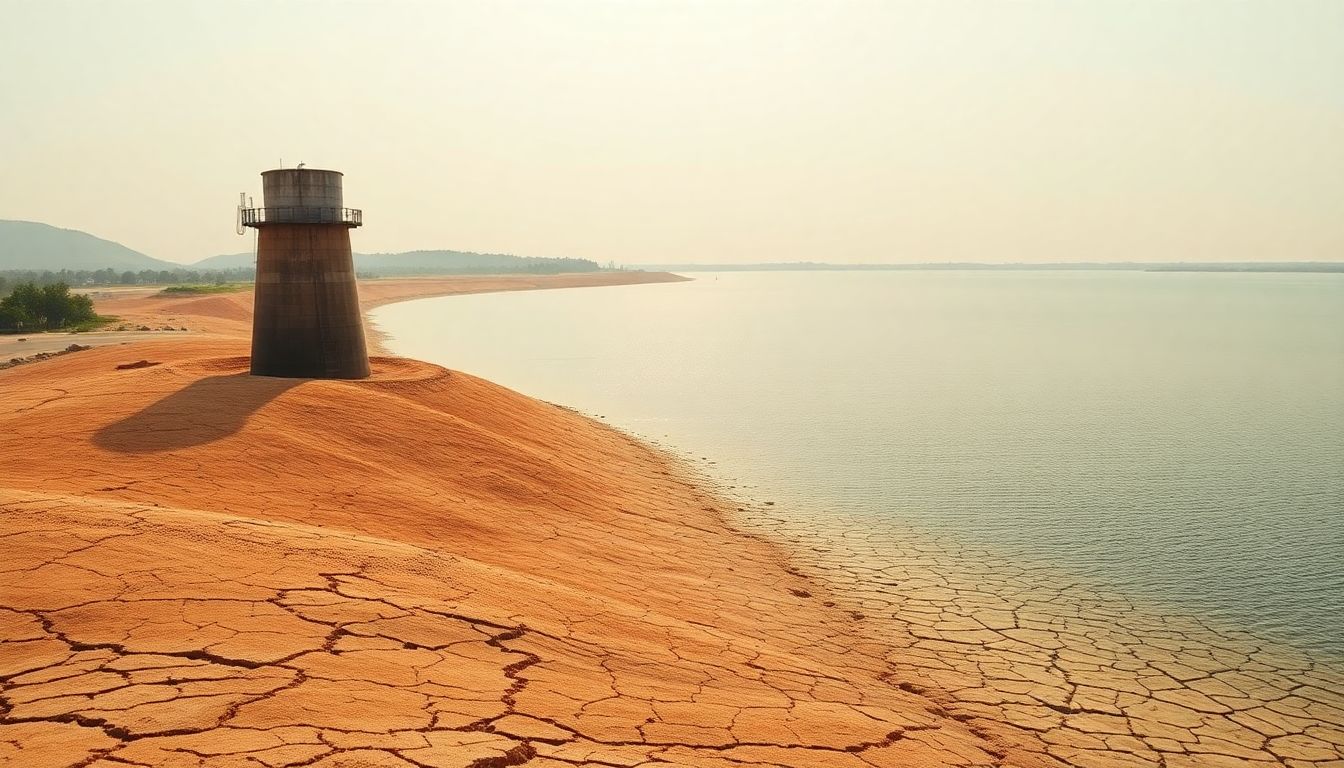
The Brihanmumbai Municipal Corporation (BMC) has launched a review of its water management strategy in Mumbai as the seven lakes supplying the city have dropped to 15 percent of their total storage capacity. This critical depletion comes as the India Meteorological Department (IMD) revised its monsoon forecast downward, predicting seasonal rainfall to be around 90 percent of the long-period average this year.
The current reservoir levels hold enough water to sustain Mumbai's daily needs for approximately one-and-a-half months. To stretch the remaining reserves, a 10 percent water cut has been in effect across the city since May 15 as a precautionary measure.
Mumbai relies almost entirely on seven rain-fed reservoirs for its drinking water: Upper Vaitarna, Modak Sagar, Tansa, Middle Vaitarna, Bhatsa, Vihar, and Tulsi. Together, these lakes supply nearly 3,950 million litres of water daily. Because the city lacks a major alternative source of potable water, the upcoming monsoon is vital for replenishing these reserves.
While there is no immediate risk of taps running completely dry, the BMC has access to reserve stocks from Bhatsa and Upper Vaitarna to manage the transition. Civic officials are closely monitoring daily consumption and have urged residents to conserve water and avoid panic.
In response to the potential strain, the BMC has directed officials to closely monitor rainfall trends and reservoir levels. The civic body is also planning stricter monitoring of water tanker operations and filling points across the city to ensure fair distribution and prevent unreasonable price hikes.
Officials noted that the first two months of the monsoon, June and July, are crucial for reservoir replenishment. The administration has not announced any immediate plans to increase the current 10 percent water cut, stating that future measures will depend entirely on the rainfall received over the next two to three months.