BMC Steps In After Hundreds of Fish Die at Walkeshwar Banganga Tank
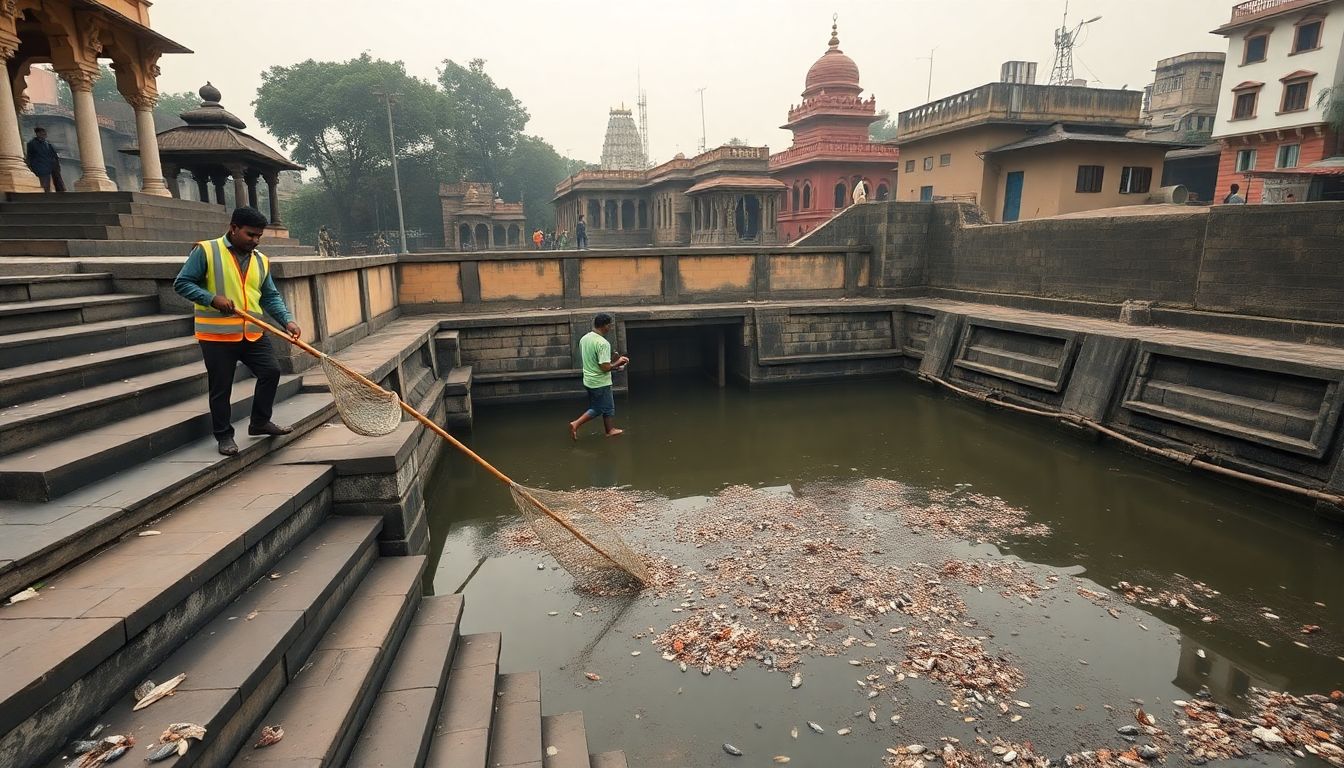
The Brihanmumbai Municipal Corporation (BMC) has convened a meeting with priests and local residents following the death of hundreds of fish at the historic Banganga Tank in Walkeshwar during the ongoing Pitru Paksha period. Civic authorities suspect that excessive food and ritual offerings entering the freshwater tank have severely polluted the water and reduced dissolved oxygen levels, threatening its aquatic ecosystem.
Civic workers have removed thousands of dead fish and substantial quantities of organic waste from the waterbody. The meeting with priests and residents is scheduled to take place on Monday at the BMC's D ward office to coordinate measures that prevent food, oil, and other ritual materials from being immersed directly into the tank.
Santosh Salunkhe, assistant municipal commissioner of D ward, stated that the civic body intends to engage local priests as their guidance can influence devotees visiting the heritage site. Salunkhe explained that oil poured into the water forms a surface film that restricts oxygen levels, while flour dumplings immersed during rituals represent another major contributing factor to the deaths.
To address the immediate damage, the BMC has stepped up cleanup operations and plans to deploy additional workers at the site. Authorities have installed an aeration pump and plan to pump out and refill the tank to restore adequate oxygen levels for the remaining aquatic life.
Pitru Paksha is observed from September 26 to October 10 this year, a fortnight during which devotees pay homage to their ancestors by offering rice or flour dumplings, sweets, milk, oil, and flowers. Civic officials noted that this organic matter drastically elevates the pollution load and depletes dissolved oxygen, creating suffocating conditions for fish.
Mass fish mortality has emerged as an annual issue at the site during this period. In 2025, the BMC cleared approximately 10,000 kilograms of dead fish, floral waste, and organic matter from the tank over three days, deploying aerators and dewatering pumps. Although the civic body has previously provided dedicated collection bins and urged visitors not to submerge offerings, local residents reported that large amounts of ritual waste continue to enter the 12th-century heritage waterbody.