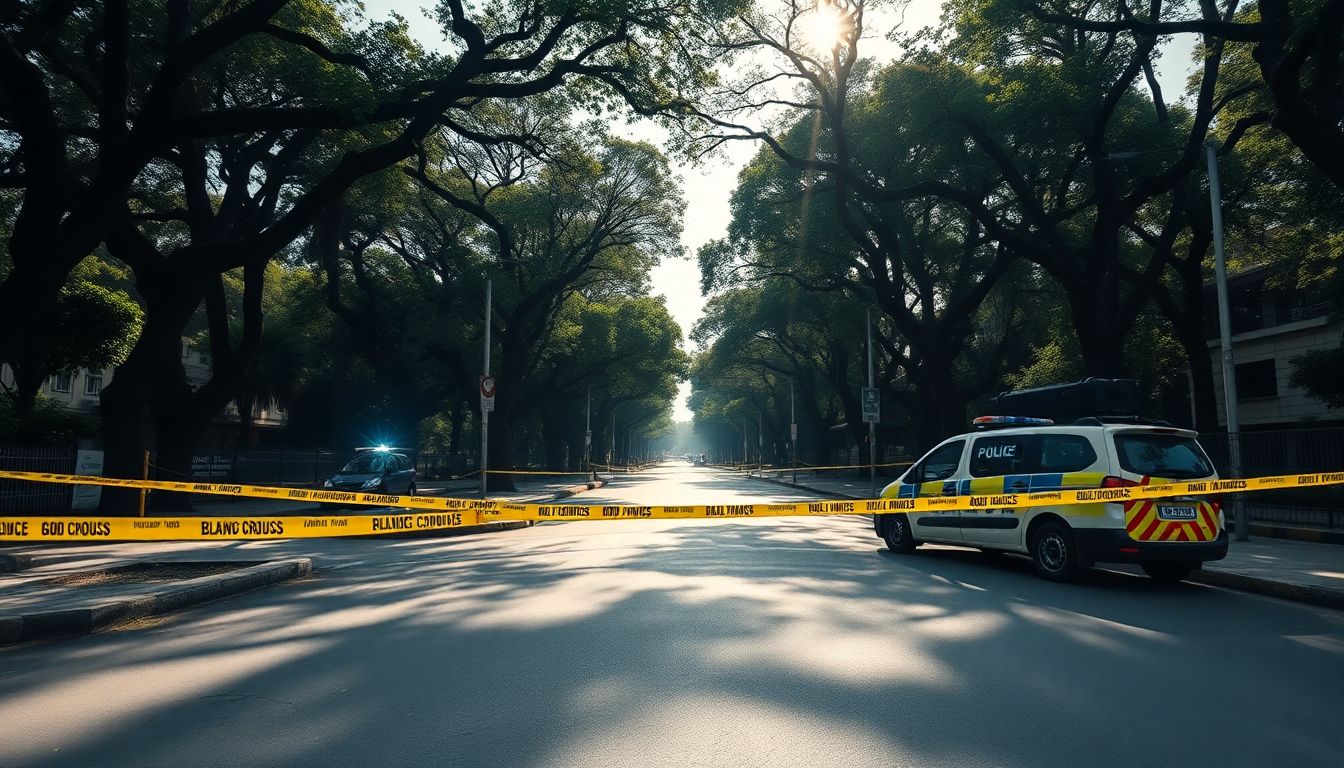
Bombay HC Demands Status Report on Versova-Bhayandar Coastal Road Afforestation
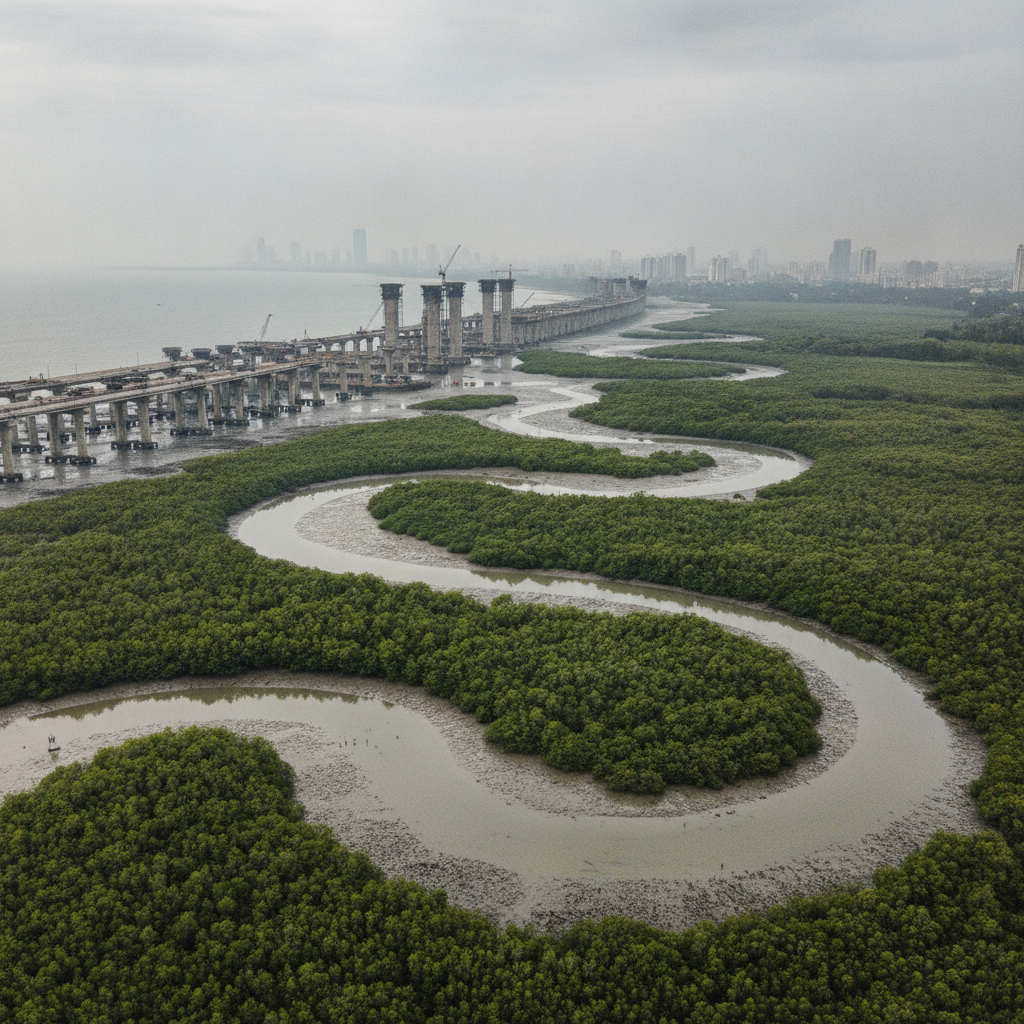
The Bombay High Court on Wednesday directed the Maharashtra state government and forest authority to submit a status report on compensatory afforestation for the Versova-Bhayandar coastal road project. The order comes six months after the court initially permitted the felling of 45,675 mangroves for the infrastructure project, which aims to connect Versova and Bhayandar in Mumbai.
A division bench of Acting Chief Justice Ravindra V Ghuge and Justice Gautam A Ankhad issued the directive during a hearing on an interim application filed by the environmental non-profit Vanashakti. The court has posted the matter for a further hearing on July 24.
Vanashakti's application, represented by senior counsel Venkatesh Dhond and advocate Ronita Bhattacharya-Bector, sought an independent inspection by the Central Empowered Committee (CEC). The non-profit argued that approvals for destroying the mangroves and diverting approximately 103 hectares of forest land were granted without proper ecological assessments or adequate afforestation measures.
According to Vanashakti, the state forest department's official website claims the compensatory afforestation exercise is complete. However, the non-profit's legal team questioned whether the plantation had actually occurred and if it was ecologically viable.
The 26.3-kilometre coastal road project is designed to reduce the travel distance between Versova and Mira-Bhayandar by more than 10 kilometres. While authorities previously assured the court that 1.37 lakh mangrove saplings would be planted in Bhayandar, Vanashakti contended that officials failed to verify if the designated land could accommodate that number of plants.
A checklist submitted by the project proponent in January 2026 focused on the transfer of funds and land mutations, but did not disclose a scientific plan or timeline for the afforestation, the plea stated.
Furthermore, Vanashakti raised objections to a proposal to carry out terrestrial compensatory afforestation in Chandrapur, which is located more than 800 kilometres away from the mangrove destruction site in Mumbai. The group argued that such inland planting cannot ecologically compensate for the loss of coastal marine ecosystems.
The non-profit also stated that its own site inspection in Bhayandar revealed that the planted mangrove saplings were dying because they were planted too densely and in areas where saline water could not reach them.