Bombay HC Frees 36,662 Sqm of Manpada Land from Thane DP Reservation
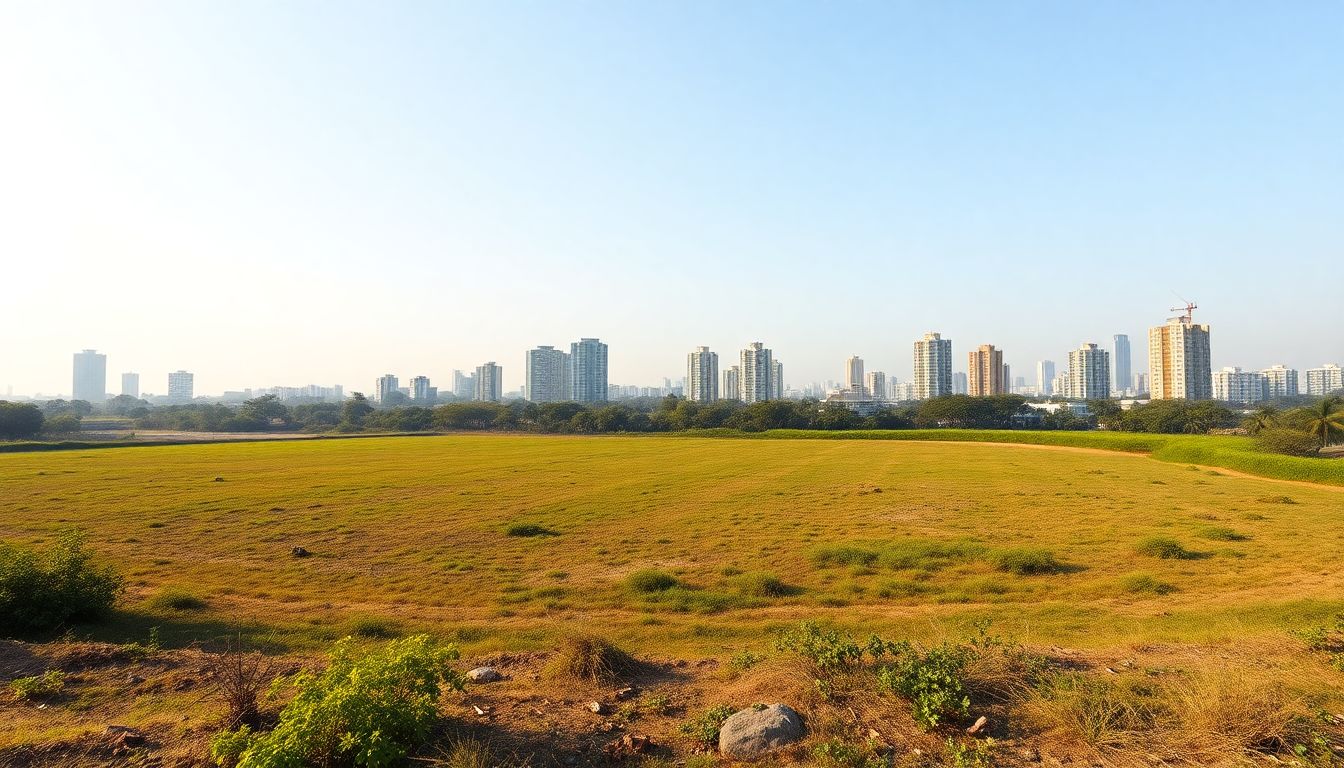
The Bombay High Court has freed 36,662.43 square metres of private land in Manpada, Thane West, from decades-old Development Plan reservations for a public park, a police station, and a mass transit route, ruling that authorities cannot indefinitely withhold private property without acquisition.
A division bench of Justice MS Karnik and Justice Ranjitsinha Raja Bhonsale delivered the order on August 10, stating that property rights cannot be kept in abeyance indefinitely by labelling land as reserved. The court directed the Maharashtra state government to formally notify the lapsing of the reservation.
The ruling came on a petition filed by M/s Eastern Machinery & Trading Company and M/s Tolani Brothers. The two firms had purchased 55,812.67 square metres of land in Manpada in 1962. Under the 1999 Development Plan, 48,963.43 square metres of this land was placed under reservation, comprising 29,525.13 square metres for a park, 2,528 square metres for a police station, 4,608 square metres for a High Capacity Mass Transit Route, and 12,274 square metres for roads.
The portion reserved for roads was later acquired by the Thane Municipal Corporation, with the owners compensated through Transfer of Development Rights. In 2007, the petitioners served a purchase notice under the Maharashtra Regional and Town Planning Act, 1966, demanding acquisition of the remaining reserved land along with monetary compensation of approximately ₹481 crore.
Although the state government accepted the purchase notice and instructed authorities to finish the acquisition within a year, the process was never completed. In court, the Thane Municipal Corporation submitted audited financial statements from the previous five financial years to demonstrate its financial inability to pay the ₹481 crore cash compensation, offering TDR or Floor Space Index instead.
The bench rejected the civic body's stance, observing that while public purpose acquisition takes precedence, it must strictly comply with the law. The court held that the government cannot restrict land use indefinitely or force landowners to accept TDR rather than timely acquisition.