Bombay HC Seeks Way to Mask Electrolyte Tag on Seized Bhiwandi Beverage Stock
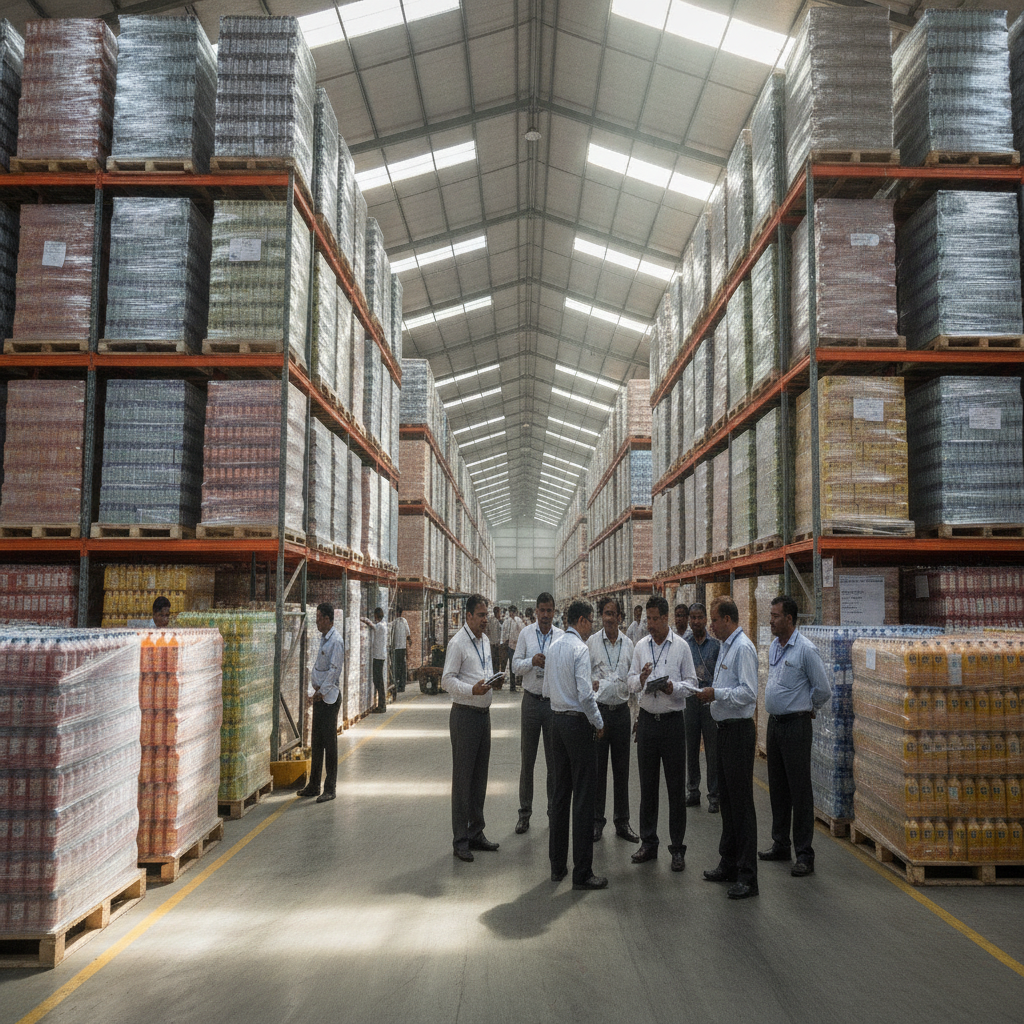
The Bombay High Court has sought a practical way to remove the word “electrolyte” from seized fruit beverage stock worth Rs 2.24 crore, which was confiscated from a facility in Bhiwandi, Thane, after raising concerns that simple stickers could make genuine products appear counterfeit.
A division bench comprising Acting Chief Justice Ravindra Ghuge and Justice Gautam Ankhad was hearing a petition filed by M/s JNTL Consumer Health (India) Pvt. Ltd., challenging the seizure of its ready-to-serve fruit beverage brand, “eRZL”.
Food Safety Officers had seized the company’s inventory, valued at more than Rs 2.24 crore, during an enforcement action at its Bhiwandi premises in early June 2026.
During the proceedings, Government Pleader PP Kakade, appearing for the State, submitted that any electrolyte formulation is required to comply with standards approved by the World Health Organization. The State contended that the formulation used in the company’s beverage did not satisfy those standards, asserting that using the term “electrolyte” on the packaging amounted to misrepresentation.
In response, the beverage manufacturer informed the court that it had already complied with regulatory directions for its fresh production, noting that all newly manufactured stock produced from August 1 onward has been labelled without the disputed term.
The State indicated its willingness to release the seized goods, provided the company submitted an undertaking ensuring the products would only be sold after the word “electrolyte” was masked on the existing packaging.
However, the bench raised apprehensions regarding the method used to cover the word. The judges observed that placing a simple sticker over the term could lead consumers to suspect the product was counterfeit or tampered with.
The court instructed senior advocate Birendra Saraf, representing JNTL, to suggest a suitable mechanism to remove or conceal the description without causing consumers to mistake the items for fake goods. The matter has been scheduled for further hearing on August 31.