Bombay HC Upholds Admission Cancellation of 3 JBIMS Students Over Forged Papers
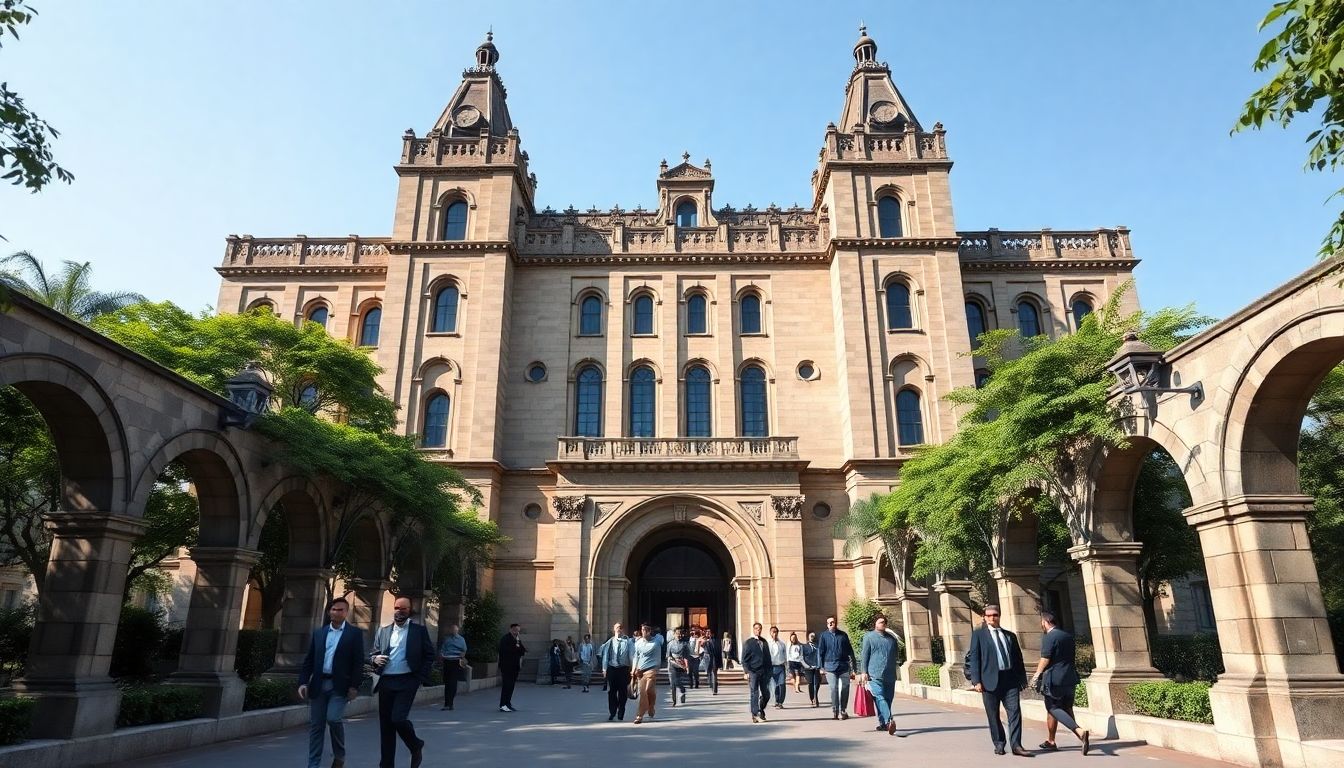
The Bombay High Court in Mumbai has upheld the cancellation of admissions of three students to the Jamnalal Bajaj Institute of Management Studies (JBIMS) who gained entry using forged academic documents, ruling that completing coursework or securing placements cannot override the integrity of the admission process.
A division bench of Justices Riyaz Chagla and Farhan Dubash dismissed petitions filed by Yash Pramod Gaikwad, Vishal Gupta, and Gautam Nair. The admissions of the three students to the two-year Master of Management Studies (MMS) programme had been cancelled in March.
The court noted that the students secured their seats under the Children of Indian Workers in Gulf Countries (CIWGC) category. JBIMS later discovered serious discrepancies between the academic credentials presented during the admission process and their actual university records. The bench observed that the students would not have secured admission had their genuine academic scores been evaluated.
The judges rejected the argument that the students had already completed most of their studies. The bench stated that the consideration that the petitioners had substantially finished the course, appeared for final examinations, and in at least one instance secured a job placement could not outweigh the requirement that admissions remain fair. The court ruled that an advantage gained through materially false academic credentials cannot transform into an enforceable right simply due to the passage of time.
In addition to upholding the cancellations, the High Court stressed that the inquiry must not end with action taken against the students. The bench cited findings from two committees that raised concerns regarding possible administrative lapses and irregularities during the admission process.
These committee reports highlighted potential negligence, dereliction of duty by admission officials, deliberate overlooking of discrepancies, irregular approvals, and possible collusion with external agents or intermediaries. The bench observed that protecting the purity of the admission process requires scrutinising the institutional mechanisms through which irregularities occur.
The court ruled that accountability must extend to everyone connected with the admission process whose role may have facilitated the wrongful admissions, noting that fairness demands equal standards for students and verification authorities alike.