Bombay HC Upholds JBIMS Decision to Cancel Admissions of 3 Students Over Forged Marks
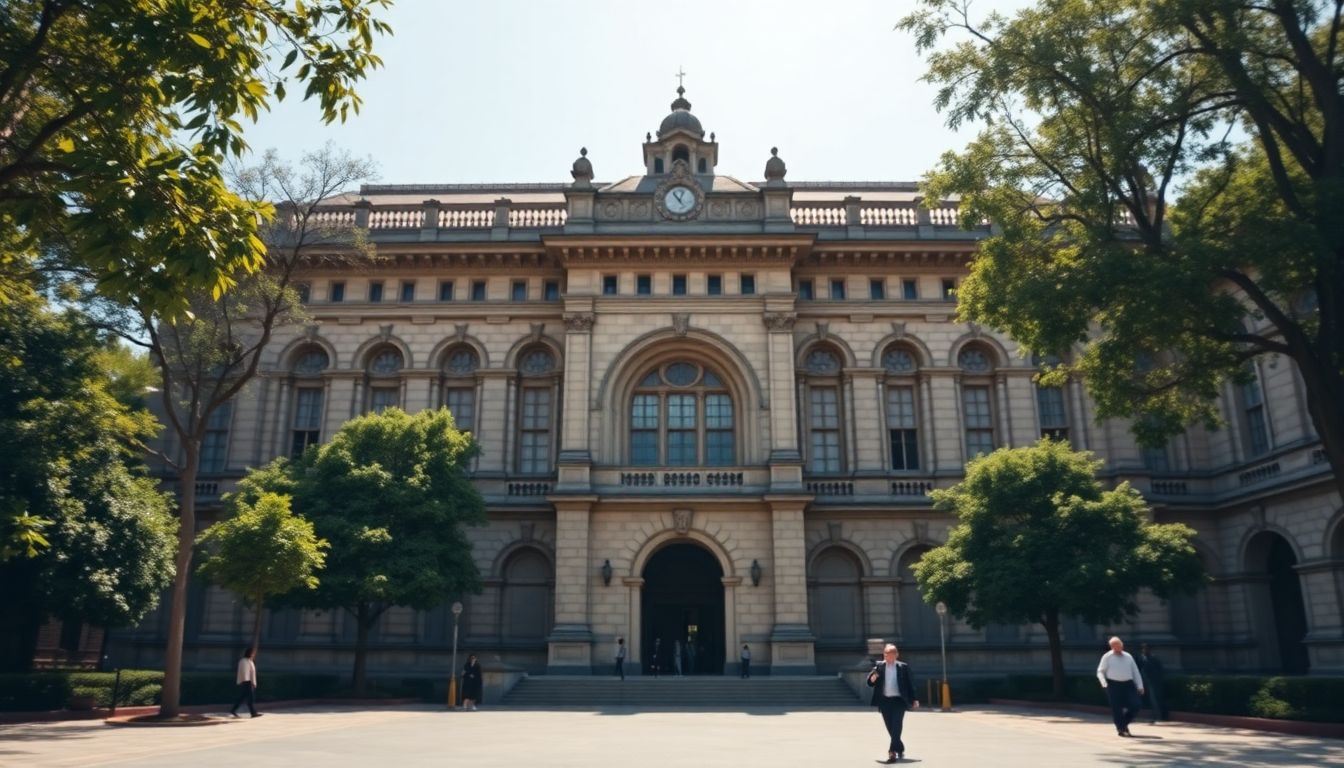
The Bombay High Court has upheld the Jamnalal Bajaj Institute of Management Studies' decision to cancel the admissions of three students to its two-year Masters of Management Studies programme after it was found that they submitted forged documents with inflated marks.
A bench comprising Justices Riyaz Chagla and Farhan Dubash delivered the verdict on Monday, declining to interfere with the institute's decision in order to protect the integrity of the academic admissions system.
The judges observed that the students would not have secured admission to the MMS course on the basis of their actual marks, stating that court intervention was not warranted in the matter.
The three students, aged between 23 and 24 years, had secured admission for the 2024-26 batch under the supernumerary quota for Children of Indian Workers in Gulf Countries. This quota granted admissions strictly on the basis of past academic performance, without requiring an entrance examination.
The discrepancy came to light following an anonymous email sent on March 6 that alleged the falsification of marks. Following this complaint, the institute cancelled their admissions on May 27. Earlier, on April 6, the High Court had granted interim relief allowing the students to appear for their fourth and final semester examinations, subject to the final outcome of the petition.
According to the court's observations, the three students had originally secured ranks of tenth, sixth, and third on the final merit list, with submitted scores of 81.8 percent, 84 percent, and 82.4 percent, respectively.
However, subsequent verification conducted by two separate committees revealed that their actual B.Tech percentages earned from institutions including VNIT Nagpur, VJTI, and Delhi Technological University were substantially lower than the figures submitted during admission.
During the proceedings, senior advocate Mihir Desai along with advocates Arvind Tiwari and Atal Dubey, representing the students, argued that their clients had not forged the documents. The defence contended that the records were altered by individuals within JBIMS to dishonestly implicate the students.