Bombay High Court Fines Litigant Rs 50,000 for Submitting Fake AI Judgments
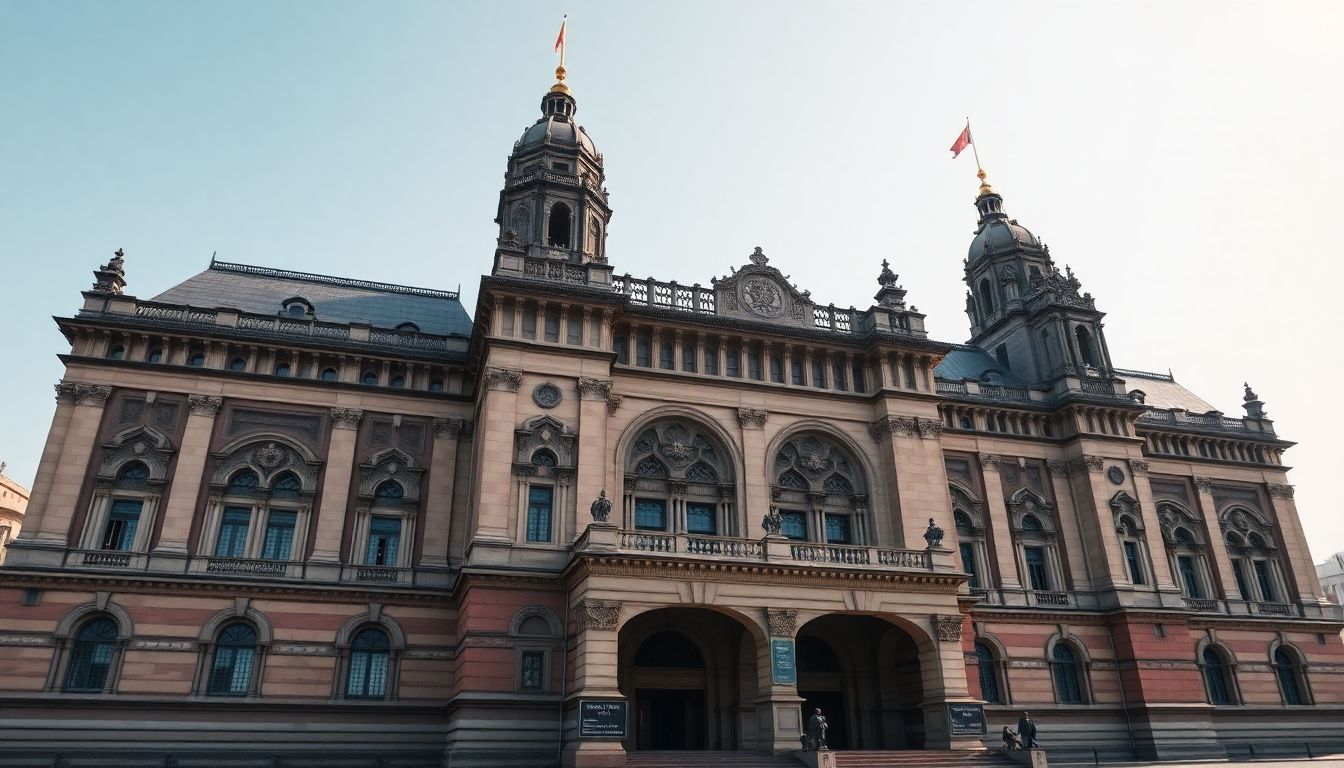
The Bombay High Court in Mumbai has cracked down on the submission of fake, artificial intelligence-generated case laws, recently imposing a Rs 50,000 fine on a litigant for presenting a non-existent judgment. The action comes amid a broader warning from Indian courts, including the Supreme Court of India, against the rising use of AI tools like ChatGPT to fabricate legal precedents.
In a recent case, the Bombay High Court penalized a litigant with the Rs 50,000 cost after they submitted an AI-generated judgment that neither the court nor its clerks could locate. The court strongly deprecated the practice of dumping non-existent and irrelevant material before it.
In another recent Mumbai matter, Mr. Deepak s/o Shivkumar Bahry Versus Heart & Soul Entertainment Ltd., the Bombay High Court flagged a written submission that cited a case titled Jyoti w/o Dinesh Tulsiani v. Elegant Associates. The court's registry verified that no such judgment had ever been delivered, leading the judge to note that valuable judicial time was wasted verifying fake material.
Regarding the use of technology, the Bombay High Court observed that while using AI tools for research is welcome, advocates and parties bear a great responsibility to cross-verify references. The court stated they must ensure "the material generated by the machine/computer is really relevant, genuine and in existence."
This crackdown aligns with recent directives from the Supreme Court of India. In the 2025 case Gummadi Usha Rani v. Sure Mallikarjuna Rao, the apex court discovered that a trial court had relied on four non-existent "judgments" that did not appear in any official law report.
The Supreme Court warned that relying on fake AI-generated judgments is not a mere decision-making error but constitutes professional misconduct. The apex court noted that the practice has a "direct bearing on integrity of adjudicatory process" and warned of legal consequences. Another Supreme Court bench later termed the spread of AI-generated case law a "menace" that routinely interferes with court proceedings.