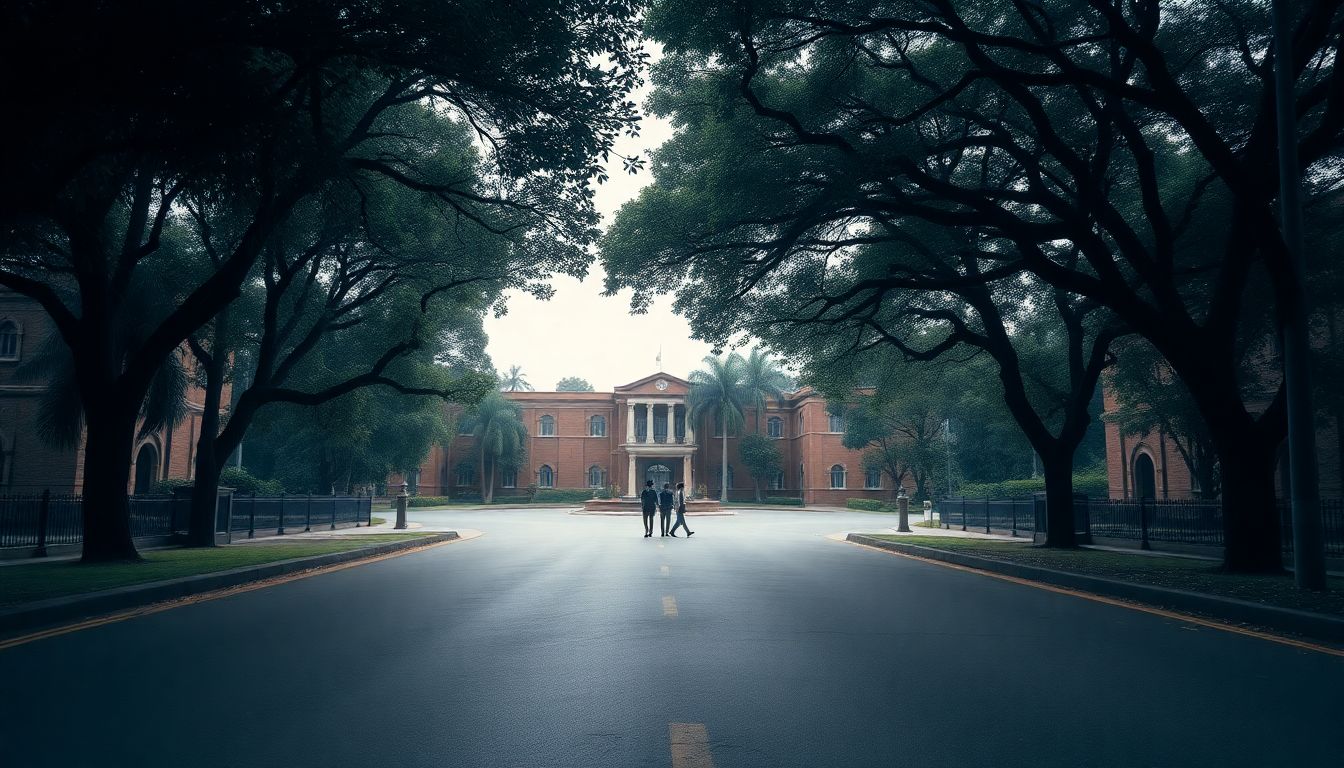
BPP Revives Plans to Bring Vultures Back to Malabar Hill Tower of Silence
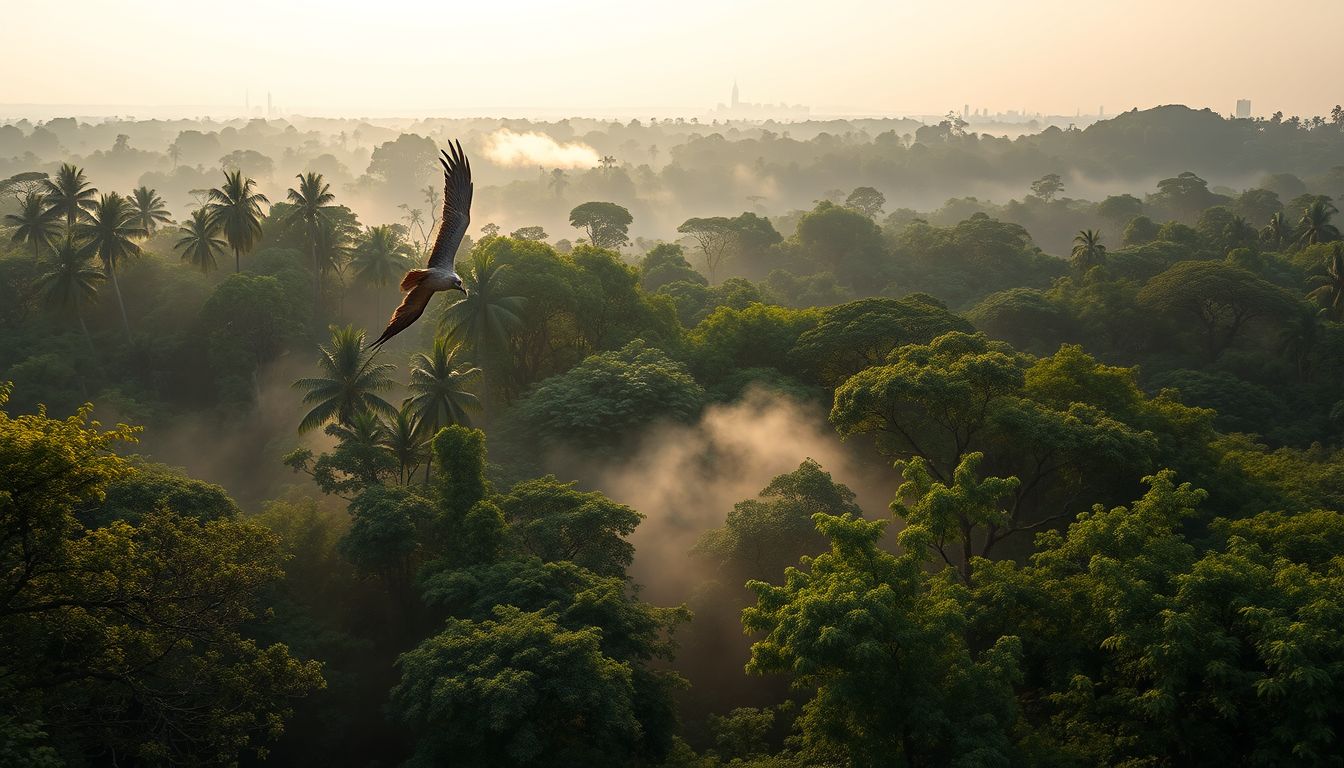
The release of captive-bred slender-billed vultures into the wild in Assam on Friday by the Bombay Natural History Society has revived hopes among Mumbai’s Parsi-Zoroastrian community for the return of the scavengers to the Tower of Silence cemetery complex at Malabar Hill. The Bombay Parsi Punchayet is in active discussions with the natural history group to explore bringing the birds back to Doongerwadi.
The ancient Zoroastrian funeral custom of Dokhmenashini, under which the dead are placed in open-air dakhmas for natural decomposition, was severely affected after Indian vulture populations fell to near-extinction levels. The collapse was largely caused by the toxic drug diclofenac present in cattle carcasses. While veterinary use was restricted, diclofenac continues to be used as a painkiller in human medicine, causing fatal kidney failure in vultures that feed on treated remains.
Speaking on the progress of the initiative, Bombay Parsi Punchayet chairman Viraf Mehta confirmed that the trust’s seven-member board is fully unanimous in its effort to bring vultures back to the cemetery complex. The trust has already identified a designated plot of land at Doongerwadi for an aviary and has secured a donor who has stepped up to fund the project.
However, several technical and practical obstacles remain unresolved before the birds can be introduced. Discussions between trust representatives and doctor representatives from the Bombay Natural History Society have focused heavily on how to protect the vultures from diclofenac poisoning.
A major sticking point is finding a non-intrusive procedure to identify whether cadavers contain diclofenac prior to funeral rites. Because families of the deceased do not want intrusive procedures or post-mortems performed after death, the trust requires a non-invasive testing method. Additionally, the trust is working on solutions to coax vultures to specific enclosed dakhmas and segregate bodies to ensure the birds are kept away from contaminated cadavers.