CAG Finds E-Coli in Water at CSMT and 28 Central Railway Stations Lack Testing Kits
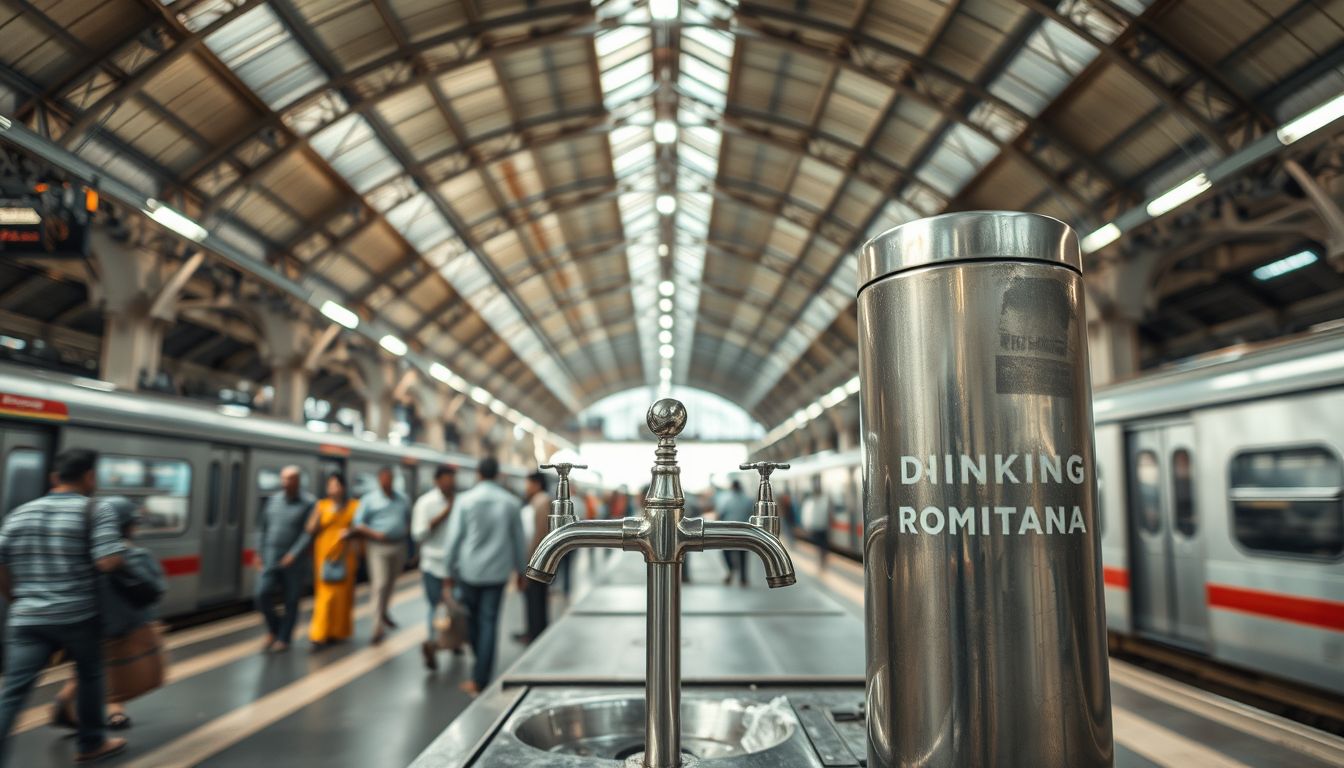
Water samples collected from Chhatrapati Shivaji Maharaj Terminus (CSMT), Kalyan, Bhiwandi Road, and Lonavala under Central Railway tested positive for E-Coli bacteria, according to an audit by the Comptroller and Auditor General (CAG). The audit also revealed that 28 stations under Central Railway lacked the field testing kits required to regularly check drinking water quality.
Under Railway Board guidelines, water supply systems at railway stations must undergo testing at least twice a year using multi-parameter field testing kits. However, the CAG found that the necessary kits were missing at 436 stations across 15 railway zones in the country, including the 28 stations under Central Railway. The shortfall has raised serious concerns regarding how routinely drinking water provided to commuters is being examined.
The findings carry significant implications for Mumbai, where major transit hubs serve thousands of passengers daily. CSMT, an NSG-1 category station, was among the facilities where drinking water samples tested positive for E-Coli. The bacteria is commonly linked to faecal contamination and can cause diarrhoea, food poisoning, and other health issues.
The audit also documented wider deficiencies in passenger amenities across the railway network. Out of 512 stations inspected nationwide, 458 stations failed to meet prescribed norms for one or more basic facilities. Deficiencies were noted in drinking water access, waiting rooms, seating arrangements, platform shelters, toilets, fans, foot-over bridges, dustbins, and public announcement systems.
The CAG recommended that the Railways ensure regular testing of all water supply systems along with comprehensive quality examinations following prescribed protocols.
Following the audit report, Railway Minister Ashwini Vaishnaw, the Railway Board Chairman and CEO, and senior officials conducted a day-long review meeting. The Railways announced plans to install "Tank to Tap" filtration and monitoring systems at around 20,000 locations, replace existing water tanks, and enforce routine testing, cleaning, and maintenance under direct monitoring by the Railway Board.