Central Railway Tests Vetiver Grass to Stabilise Slopes on Mumbai-Pune Route
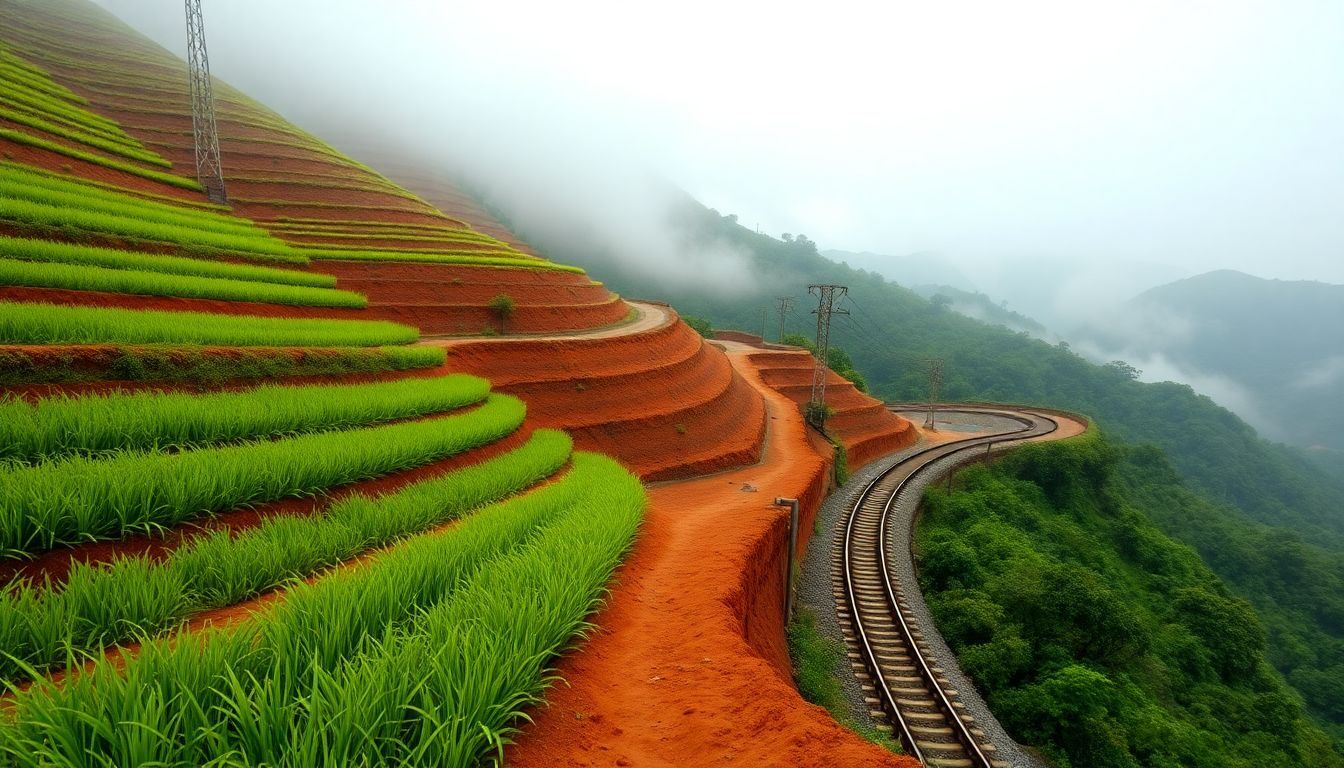
Central Railway has initiated a pilot project using Vetiver grass as a nature-based solution to stabilise vulnerable hill slopes across the South-East Ghat section of the Mumbai-Pune rail route, following severe landslide disruptions earlier this monsoon.
The initiative covers a total area of 5,300 square metres in the ghat territory. As part of the pilot, railway authorities have planted the grass across 1,050 square metres near the Khandala-Monkey Hill section and 4,250 square metres between Thakurwadi Cabin and Palasdhari.
Vetiver grass is known for its deep, dense root network. Central Railway is deploying the plant to bind soil, curb surface runoff, and minimise the risk of shallow slope failures along railway tracks during intense rainfall.
The measure comes after multiple landslides struck the Karjat-Lonavala ghat section during heavy monsoon downpours on July 6. A major landslide occurred near Thakurwadi at around 2 am that day, impacting all three railway lines.
Shortly after, another landslide struck near Monkey Hill at around 3.05 am. The incidents caused significant disruptions on the Mumbai-Pune route, leading to the cancellation, diversion, and regulation of several train services. Restoration operations in the affected sections continued for nearly 20 days.
Later on the morning of July 6, a separate landslide accompanied by a fallen tree occurred near Khandala. The falling debris made contact with overhead electric traction wires, causing sparking and triggering a tree fire.
Railway officials expect the Vetiver plantation to complement existing engineering structures and provide ecological reinforcement to safeguard train operations against future monsoon-related hazards.