Community Leaders Target Ward-Level Climate Action in Bandra West and Across Mumbai
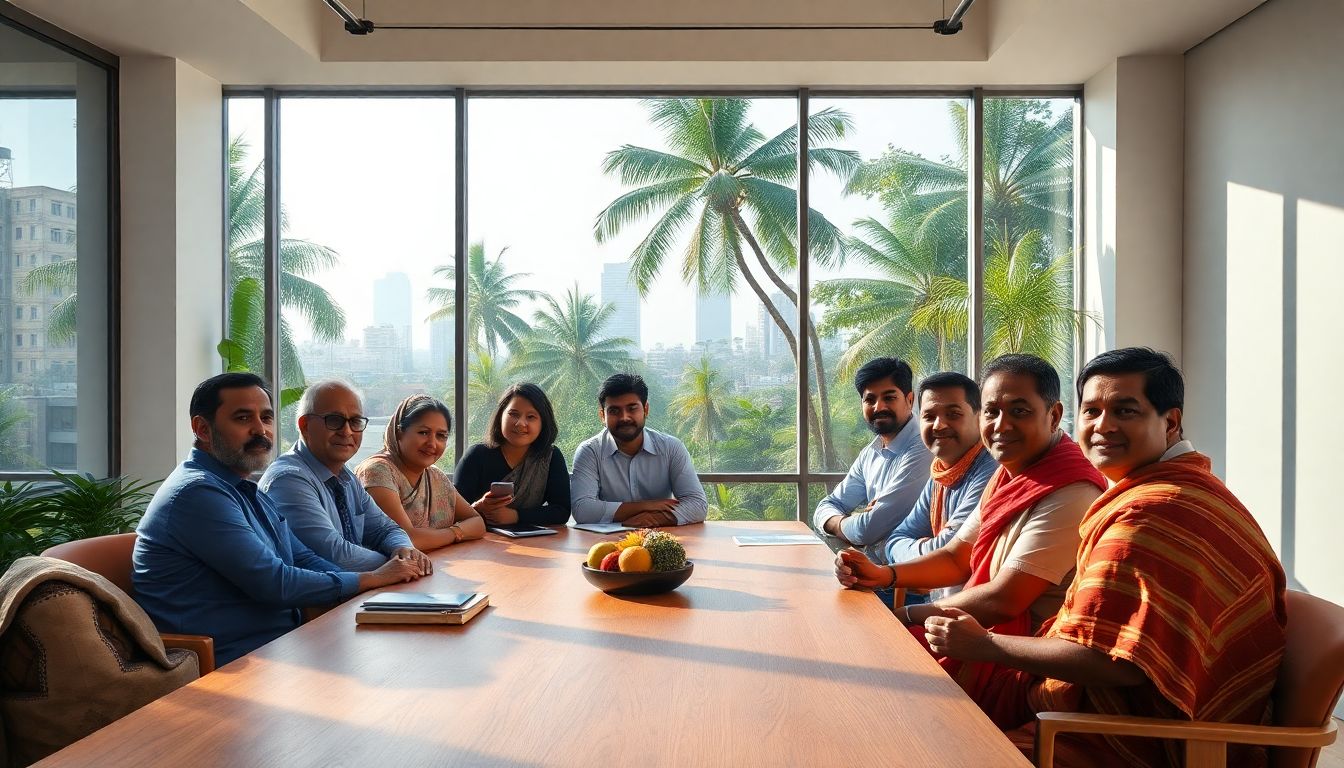
Community leaders and advanced locality management groups across Mumbai, including residents from Bandra West, met on Aug 17 to map out ward-level climate and civic issues ahead of Mumbai Climate Week 2027. Hosted by MCW founder Shishir Joshi, the meeting brought together 14 community representatives to focus on actionable local interventions.
Participants discussed a wide array of environmental and infrastructure challenges affecting neighbourhoods, ranging from inadequate public transport and poor footpaths to solid waste accumulation, flooding, coastal resilience, urban heat, and the loss of green cover. Attendees established a dedicated communication group to coordinate efforts and plan ward-level pilot programmes through December.
During the discussions, residents from Bandra West highlighted the environmental pressures caused by aggressive construction and redevelopment. Natasha Pereira, a Bandra resident, noted that the replacement of traditional ground-floor bungalows with high-rise structures risks obstructing natural sea breezes and trapping vehicular pollution along the area's narrow roads.
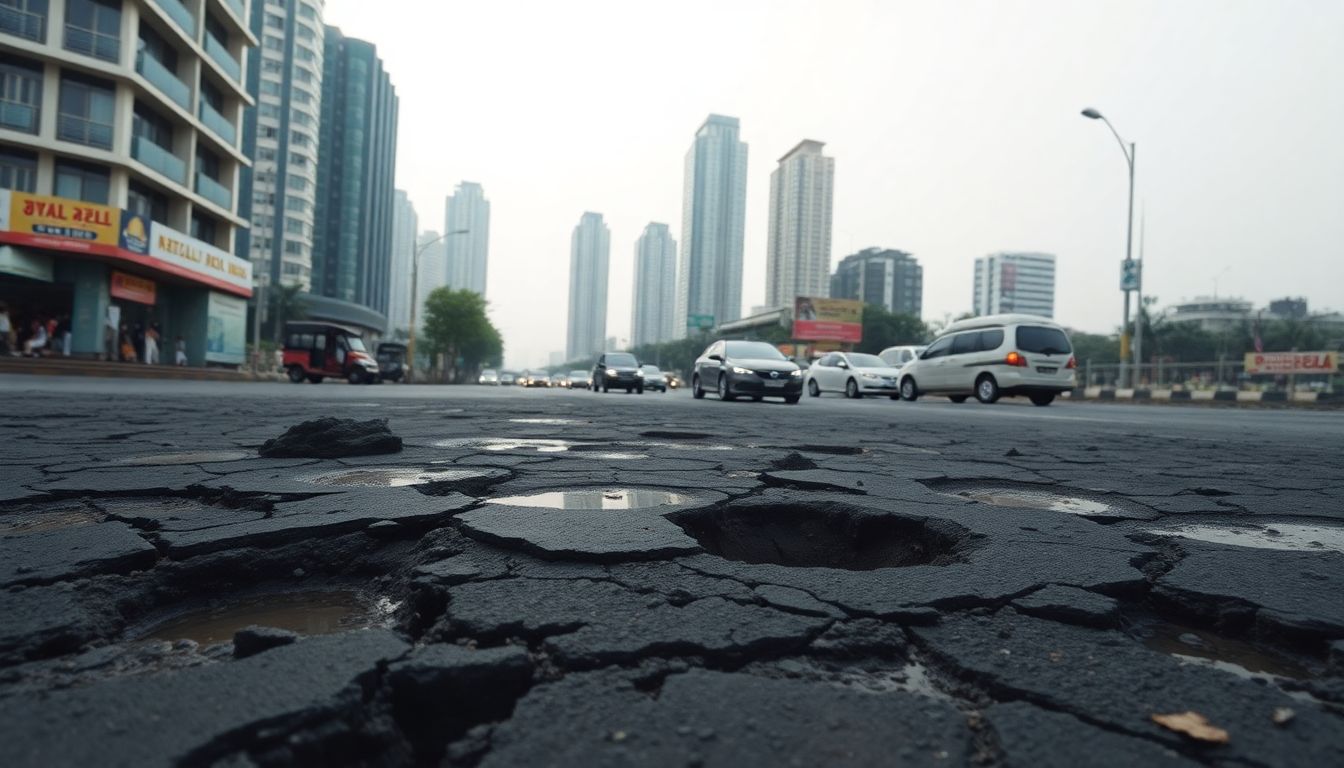
The broader discussion also addressed urban concretisation across Mumbai, which intensifies the urban heat island effect and prevents rainwater from absorbing into the soil. Participants reviewed alternative road materials, stormwater drainage management, and the overall quality of construction practices. Potential pilot projects for climate action were discussed for S Ward, K-West, and K-East wards.
Representatives also highlighted coastal risks, focusing on rising sea levels, mangrove preservation, and changes to coastal regulation zone rules. Zahida Banatwala of the Juhu Citizens’ Welfare Group emphasised the need for measurable changes by 2030 to protect vulnerable areas from submergence risks by 2040. Pamela Cheema of Powai ALM added that resident feedback concerning garbage accumulation, footpath maintenance, and ward preparedness had been documented for follow-up.