Congress MLAs Top Praja Report Card in Mumbai as Mahayuti Takes Bottom Spots
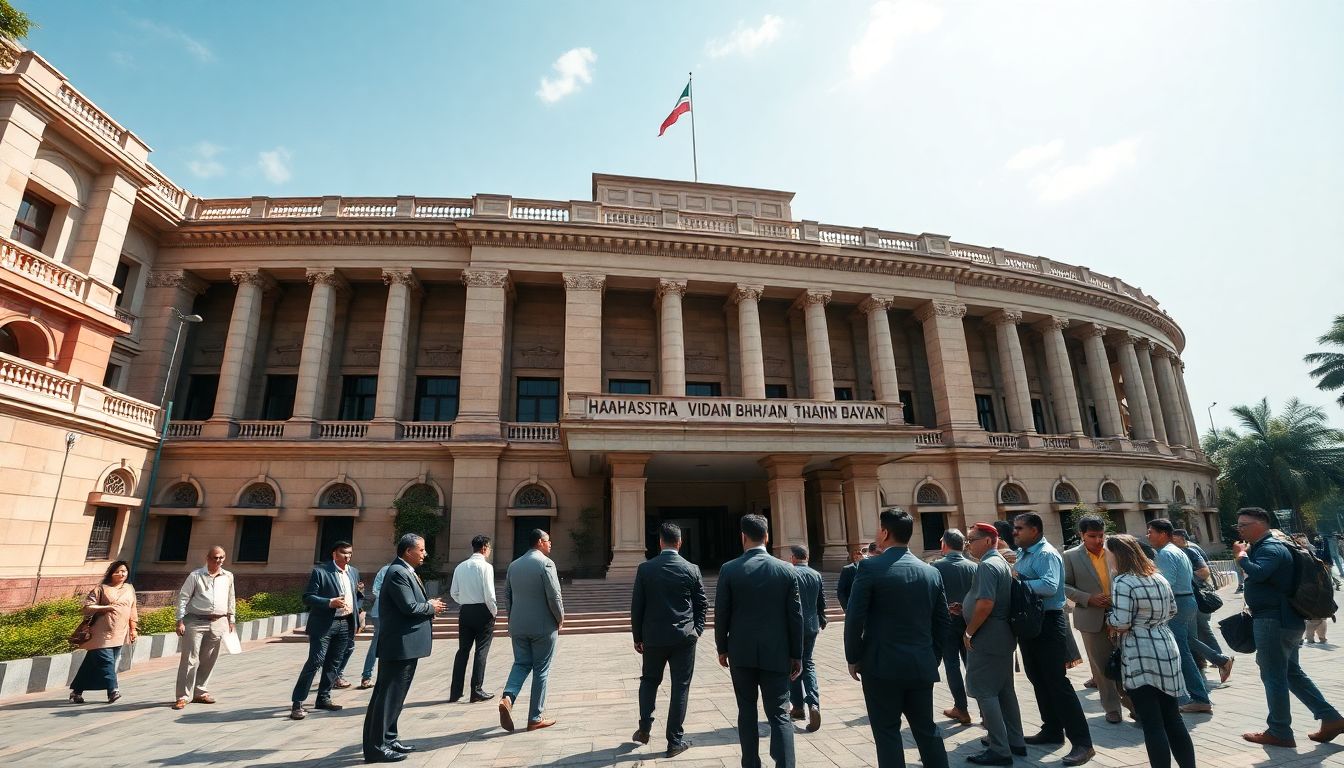
Congress MLAs Amin Patel, Aslam Shaikh, and Jyoti Gaikwad secured the top three positions in a legislative performance report card for Mumbai MLAs released by the Praja Foundation on Tuesday.
The assessment evaluated lawmakers on indicators including their participation in legislative proceedings, the total number of questions raised, the quality of those questions, and house attendance. MLAs were not assessed on their performance within their respective constituencies.
According to the report card, former mayor Sunil Prabhu of the Shiv Sena secured fourth place. Other notable rankings included Mumbai BJP president Amit Satam at rank 8, NCP’s Sana Malik Shaikh at rank 16, and Shiv Sena (UBT) leader Aaditya Thackeray at rank 18.
In contrast, legislators from the ruling Mahayuti coalition occupied the bottom three positions in the evaluation. The lowest-ranked MLAs were Prakash Surve and Ashok Patil from the Shiv Sena, along with Ram Kadam from the BJP.
Of the 36 MLAs representing Mumbai, the Praja Foundation evaluated 33. Three legislators were excluded from the exercise: assembly speaker Rahul Narwekar, Information Technology Minister Ashish Shelar, and Skill Development Minister Mangal Prabhat Lodha. The organization noted that as officeholders, these individuals cannot raise questions in the house, though they hold the responsibility to ensure MLAs receive answers from the government.
The 2026 report highlighted a sharp decline in the volume and quality of questions raised in the Maharashtra legislative assembly. Releasing the report card, Milind Mhaske, CEO of the Praja Foundation, noted that 2,213 questions were asked during the 15th assembly from winter 2024 to monsoon 2025. This represented a 72% decrease compared to the 12th assembly from winter 2009 to monsoon 2010, when 7,955 questions were asked.
Mhaske stated that fewer questions are being asked, fewer days are available for deliberation, or the questions being raised lack sufficient quality.