Dadar Markets to Get Localised Units to Process 25 MT Daily Waste
Additional Municipal Commissioner Prajakta Verma Lavangare has directed G-North Ward officials to explore localised waste-processing solutions for major markets in Dadar following an inspection on Saturday. The initiative aims to handle nearly 25 metric tonnes (MT) of waste generated daily by Dadar's flower and vegetable markets, reducing reliance on distant dumping grounds.
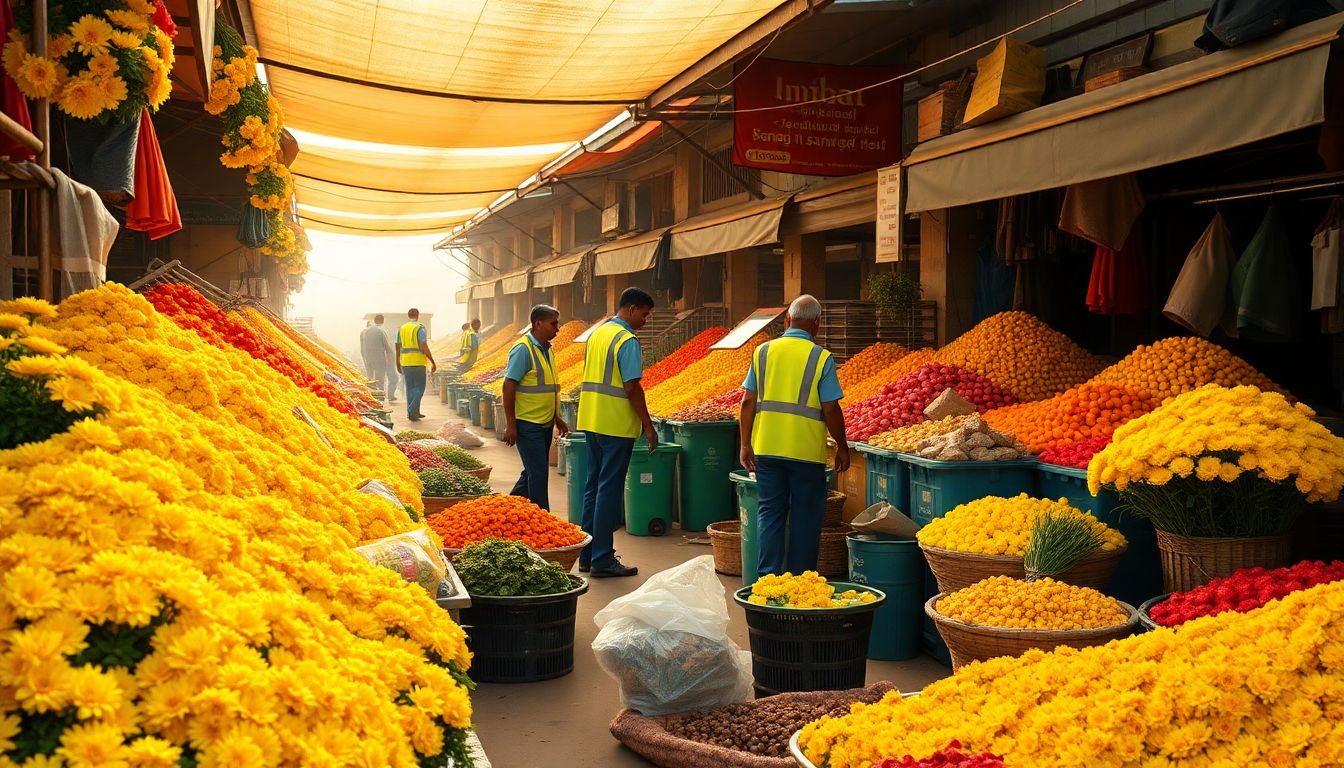
During her inspection alongside civic officials, Lavangare reviewed operations at both commercial hubs. Around 10 MT of floral waste is generated each day at Dadar’s Meenatai Thackeray Flower Market. To manage this volume, she called for a decentralised processing project capable of converting floral refuse into organic manure, incense sticks, and other value-added products instead of hauling it across the city.
“The initiative will promote waste segregation, reduce transportation costs, generate local employment and address waste at source,” Lavangare said. According to a civic official, processing the waste locally will also ease pressure on existing dumping sites and transform waste into a usable resource.
Similar measures are planned for the Krantisinh Nana Patil Municipal Vegetable Market near Dadar (West) station, where approximately 15 MT of vegetable waste is produced daily. Officials were instructed to explore decentralised systems to convert the organic refuse into compost, biogas, and other products.
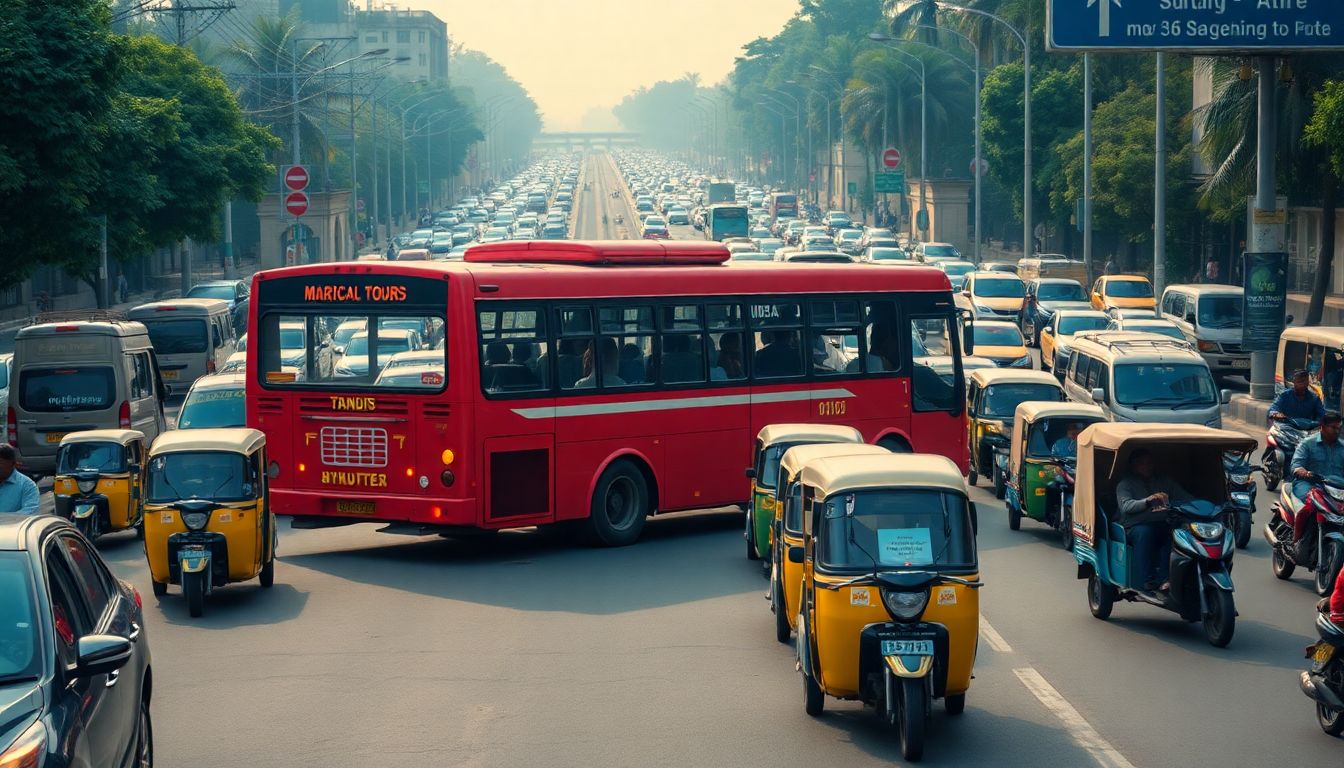
In addition to waste processing, the inspection focused on traffic and cleanliness around the busy market areas. Lavangare instructed officials to ease traffic congestion by preventing goods vehicles from parking along surrounding roads and ensuring they operate strictly within designated parking spaces. Local traders’ associations were urged to cooperate with civic authorities to maintain orderly parking and traffic flow.
Lavangare also called for strengthened daily cleanliness measures and active traffic management around the market vicinity to ensure smoother movement for daily commuters and local residents.