Eknath Shinde Outlines Growth Strategy for Thane, MMR at Business Conclave
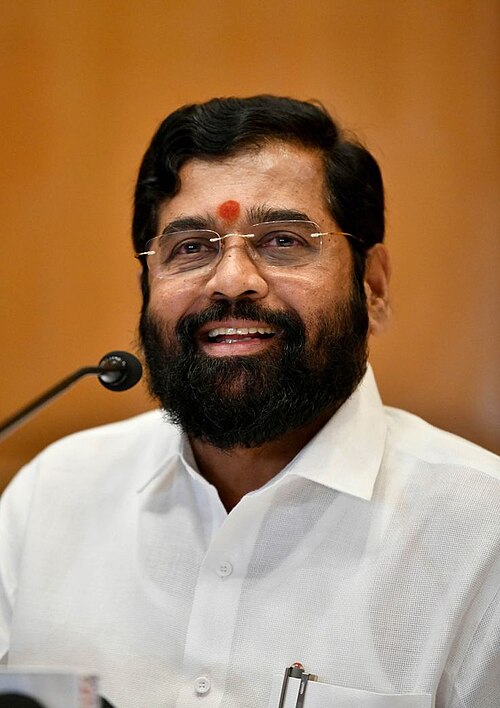
Maharashtra Deputy Chief Minister Eknath Shinde announced on Tuesday that the state will expand its development focus beyond Mumbai to strengthen cities across the region, including Thane, Navi Mumbai, Pune, Nashik, Nagpur, and Chhatrapati Sambhajinagar. Speaking at the Economic Times Business Conclave and Awards 2026, Shinde stated that Maharashtra’s strategy aims to build a modern, sustainable, and globally competitive state while ensuring that the benefits of growth reach ordinary citizens.
Shinde explained that the government is working to move away from a Mumbai-centric model by establishing industrial parks, IT zones, logistics hubs, Metro connectivity, and employment clusters in Tier-2 and Tier-3 cities, as well as across Vidarbha, Marathwada, Konkan, and western Maharashtra.
Detailing the infrastructure push in the Mumbai Metropolitan Region (MMR), Shinde pointed out that major projects including the 337-kilometre Metro network, the Coastal Road, Samruddhi Expressway, Atal Setu, Mumbai Trans Harbour Link, Bullet Train, Metro-3, and Vadhavan Port are advancing rapidly. He said the state is focusing on integrating railways, roads, Metro lines, and waterways to create a seamless multimodal transport system that acts as a catalyst for industrial growth and employment.
According to the Deputy Chief Minister, the government is implementing a roadmap to double Mumbai’s GDP, noting that the MMR has the potential to grow into a $1.5 trillion economy. He shared that investment proposals worth approximately Rs 4 lakh crore have already been secured in the MMR as the state economy progresses towards the $1 trillion benchmark.
Shinde also highlighted affordable housing initiatives under the state's new housing policy, which has set a target of building 35 lakh houses for economically weaker and low-income groups by 2030. He added that efforts are underway to make Mumbai slum-free through redevelopment and technology-based monitoring.
Emphasising sustainable growth amid climate change challenges, Shinde noted that the state is focusing on flood control, coastal protection, increasing green cover, rainwater management, and technology-driven urban planning to support future generations.