First two phases of Airoli-Katai Elevated Corridor to open in July
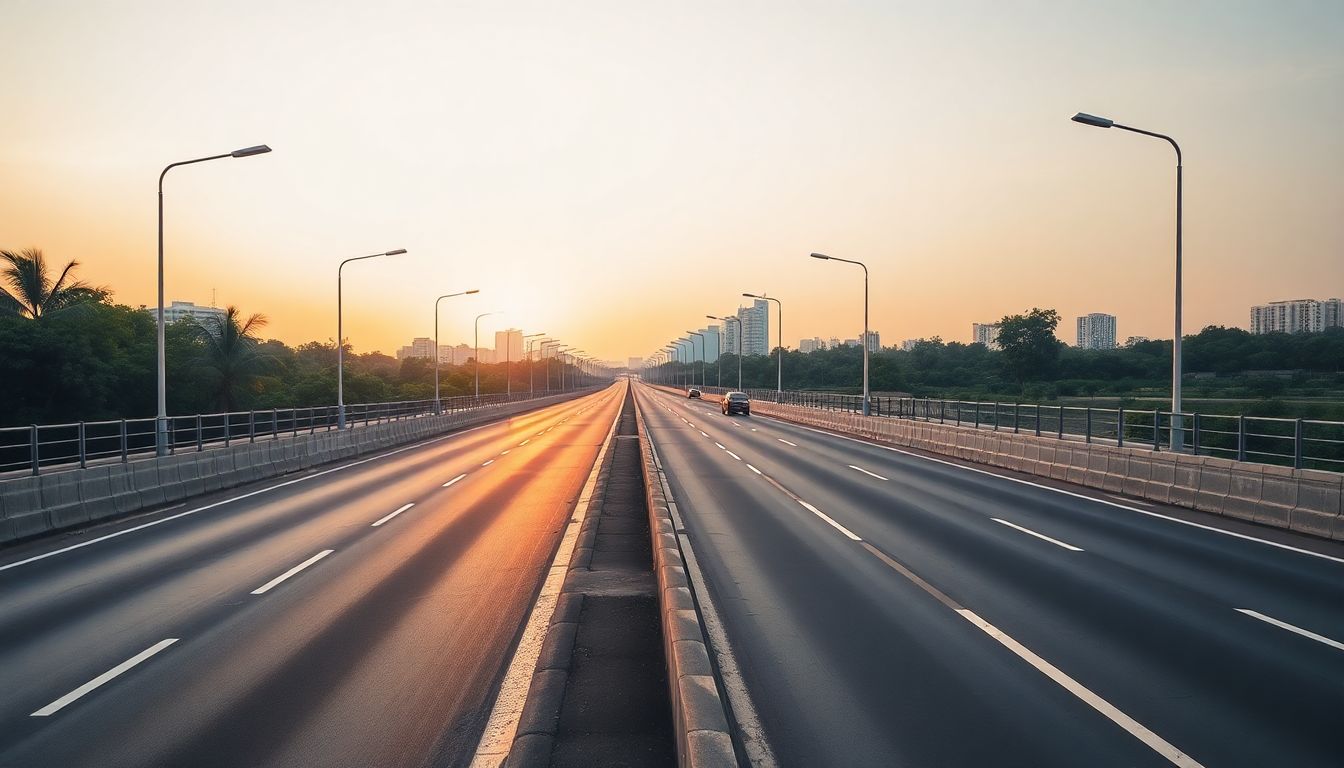
The Mumbai Metropolitan Region Development Authority (MMRDA) is set to commission the first two phases of the Airoli-Katai Elevated Corridor in July, bringing significant traffic relief to commuters along Thane-Belapur Road. The infrastructure project, which has been closely monitored by Member of Parliament Dr. Shrikant Eknath Shinde, aims to ease severe congestion for motorists travelling between Thane, Navi Mumbai, Kalyan, and Dombivli.
The first two phases of the corridor have reached their final stages of completion and are being prepared for a joint inauguration next month. According to MMRDA officials, more than 92 per cent of the work on the 3.43-kilometre first phase, which stretches from Thane-Belapur Road to National Highway-4 (NH-4), is finished, with only minor finishing work remaining. The 2.57-kilometre second phase, connecting Airoli and Thane-Belapur Road, has already been completed in its entirety.
Once these initial stretches open, they are expected to significantly improve vehicular movement at major local traffic bottlenecks. Motorists will see reduced congestion at busy junctions including Mahape, Shilphata, Kalyan Phata, and along the Thane-Belapur Road itself. The corridor will establish uninterrupted connectivity between the Mulund-Airoli Bridge, Thane-Belapur Road, and National Highway-4, saving commuters time, fuel, and transport costs.
When the entire 12.71-kilometre elevated corridor is fully operational, it will shorten the distance between Airoli and Dombivli by nearly 10 kilometres. This will cut travel times by 30 to 45 minutes, enabling a commute of just 15 minutes between Navi Mumbai and Dombivli. Beyond passenger travel, the project is also expected to boost logistics and freight movement across the industrial belts of Thane, Navi Mumbai, and Kalyan.
Meanwhile, construction is still underway on the 6.71-kilometre third and final phase of the project, which extends from National Highway-4 to Katai Naka. MMRDA officials expect this final section to be completed within the next 12 to 18 months, which will make the entire high-speed transport link fully operational.
Dr. Shrikant Eknath Shinde has consistently reviewed the construction progress of the corridor through site inspections, periodic reviews, and coordination meetings with senior MMRDA officials to resolve technical and administrative bottlenecks.