Ghatkopar Landslide Kills Eight in Ashok Nagar, Highlighting City Slope Risks
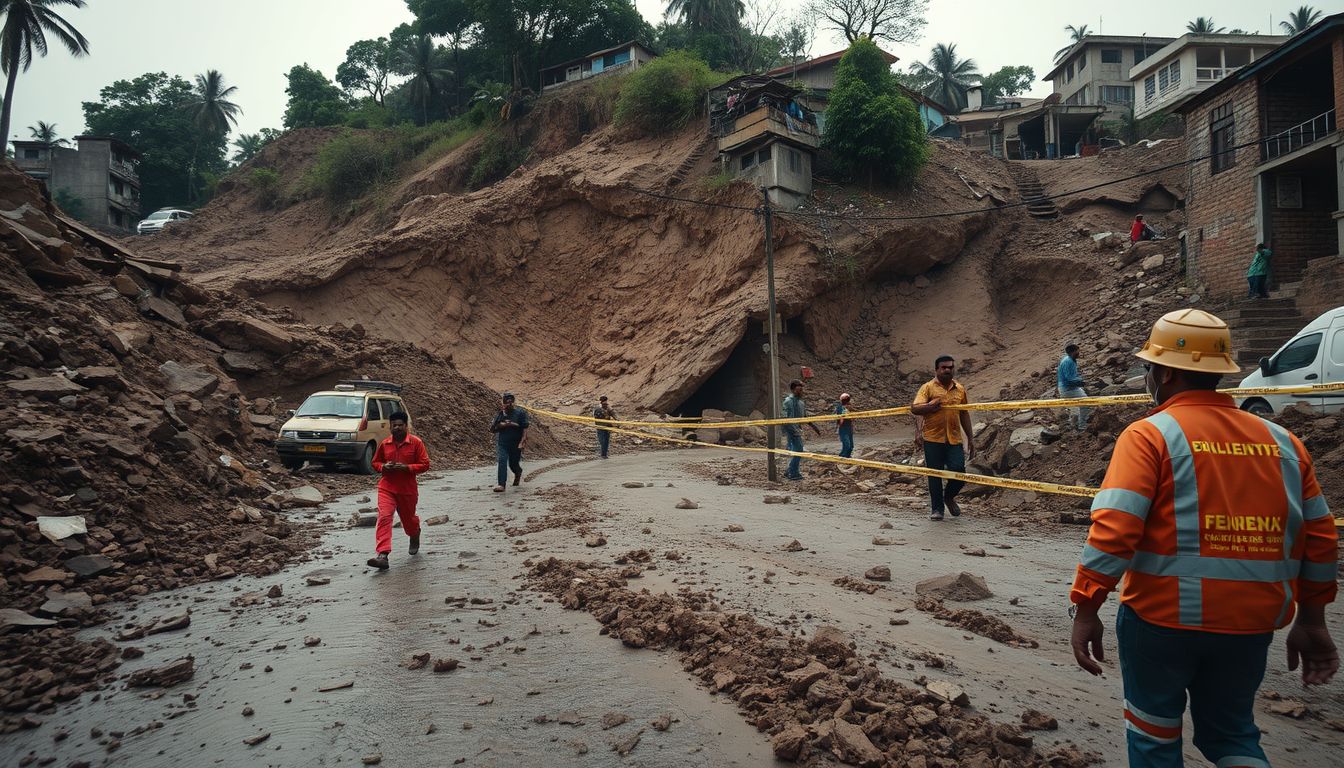
A landslide in the Ashok Nagar area of Ghatkopar claimed eight lives on Wednesday, renewing urgent concerns regarding the vulnerability of Mumbai's hill slopes during intense rainfall.
The incident has brought renewed focus to findings in the Mumbai Climate Action Plan (MCAP) released in 2022. According to data from the Brihanmumbai Municipal Corporation's (BMC) disaster management department cited in the plan, 249 locations across Mumbai have been identified as prone to landslides. These vulnerable spots are heavily concentrated along hill slopes and foothill regions, including areas around Ghatkopar, Sanjay Gandhi National Park, and Malabar Hill.
The MCAP assessment highlighted the heightened risk faced by informal settlements, where poor and temporary construction aggravates hazards on unstable hillsides. Disaster response officials, architects, and activists attributed the worsening vulnerability to a combination of unchecked construction, encroachment, deforestation, soil erosion, and insufficient attention to the city's natural geography.
Architect and activist P K Das noted that ongoing interference with Mumbai's natural landscape, including hills, slopes, and mangroves, has made such slope failures inevitable. Das stated that the city's Development Plan has traditionally prioritized construction capacity over preserving geographical features, urging authorities to recognize and protect natural slopes, wetlands, and ecologically sensitive zones.
Former Mumbai fire brigade officer Rajendra Chaudhary, who handled severe landslides over nearly three decades, explained that soil erosion linked to changing rainfall patterns and climate change contributes directly to slope instability. He added that excavation and building work at the base of hills frequently remove the natural support holding slopes together. RTI activist Anil Galgali also pointed out that the provision of civic amenities like water connections, electricity, and toilets has enabled informal settlements to continue expanding into hazardous locations.
Citing projections from the UN's Intergovernmental Panel on Climate Change, the MCAP had warned that extreme rainfall would make landslides an escalating threat. The plan recommended nature-based solutions, early evacuation mechanisms, upgraded forecasting, and the gradual rehabilitation of residents living in high-risk zones to safer ground.