JJ Hospital in Byculla Performs Its First Cervical Disc Replacement Surgery
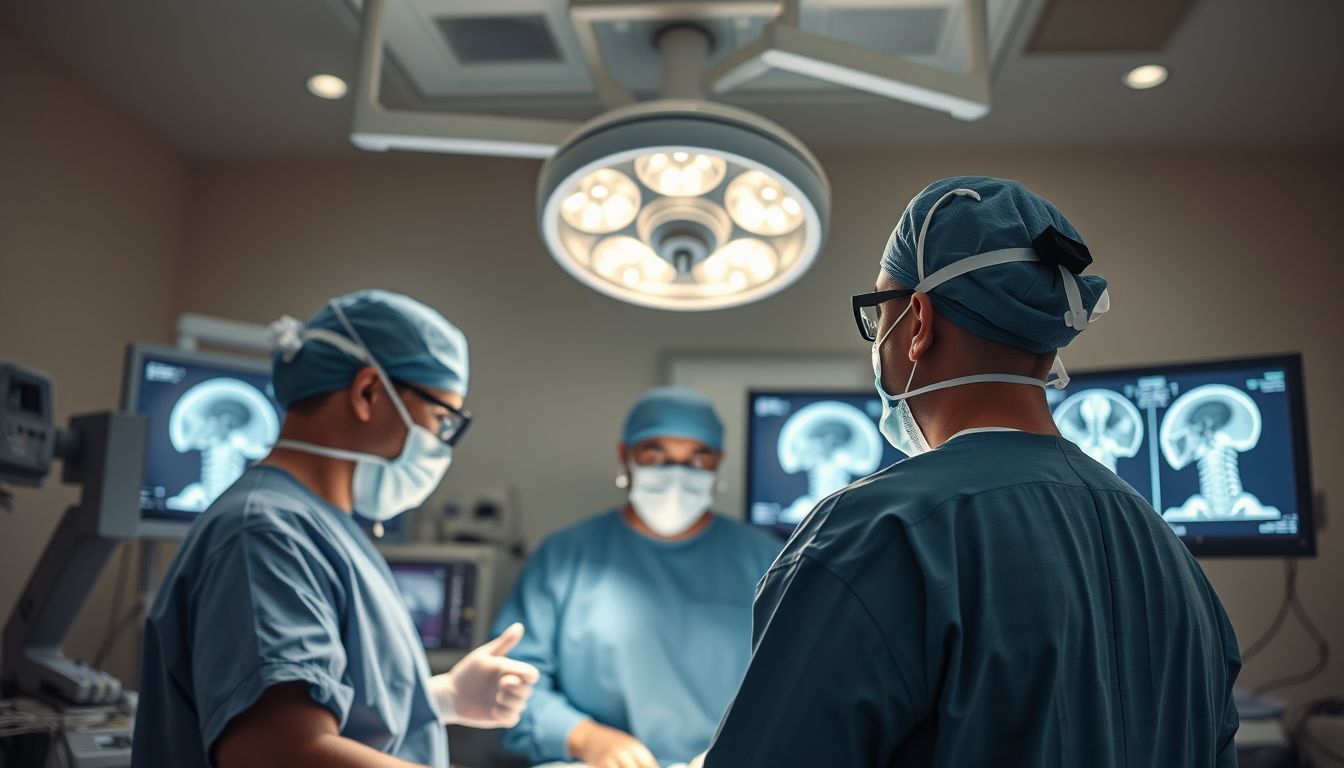
JJ Hospital in Byculla has successfully performed its first cervical disc replacement surgery, marking a significant milestone in advanced spine care within Maharashtra's public healthcare system. The procedure was carried out free of cost on a 35-year-old economically weaker patient from Uttar Pradesh.
The patient had been suffering from cervical disc herniation and cervical myelopathy caused by the compression of his spinal cord. The condition had severely impacted his daily life, leading to persistent neck and arm pain, numbness, weakness, a reduced hand grip, and difficulty performing routine daily activities. Medical experts noted that prolonged compression of the spinal cord can lead to worsening weakness, balance complications, and permanent neurological damage if left untreated.
Following clinical and radiological evaluations, the medical team opted for cervical disc replacement over traditional methods. In this specialised procedure, the damaged cervical disc is removed and replaced with an artificial disc prosthesis. Unlike conventional spinal fusion surgery, cervical disc replacement preserves natural movement at the operated spinal level in appropriately selected patients.
The surgery was performed by spine surgeon Dr Kushal Gohil under the guidance of Dr Nadir Shah, Head of the Department of Orthopaedics at the hospital. The initiative was supported by Medical Superintendent Dr Sanjay Surase and Dean Dr Ajay Bhandarwar. The anaesthesia team for the operation comprised Dr Usha Badole and Dr Prerna Jogdand.
While the procedure requires a specialised artificial disc prosthesis and typically costs several lakh rupees in private hospitals depending on the implant and surgical needs, the entire treatment was provided at no charge due to the patient's financial background. Following the surgery, the patient has been recovering well and has reported significant relief from pain.
Dr Gohil stated that advanced spine procedures should not remain restricted to private healthcare facilities due to high costs, adding that the successful operation proves specialised care can be made accessible to patients from economically weaker sections.