Kurla Builders Sentenced to Two Years in Jail by Consumer Commission
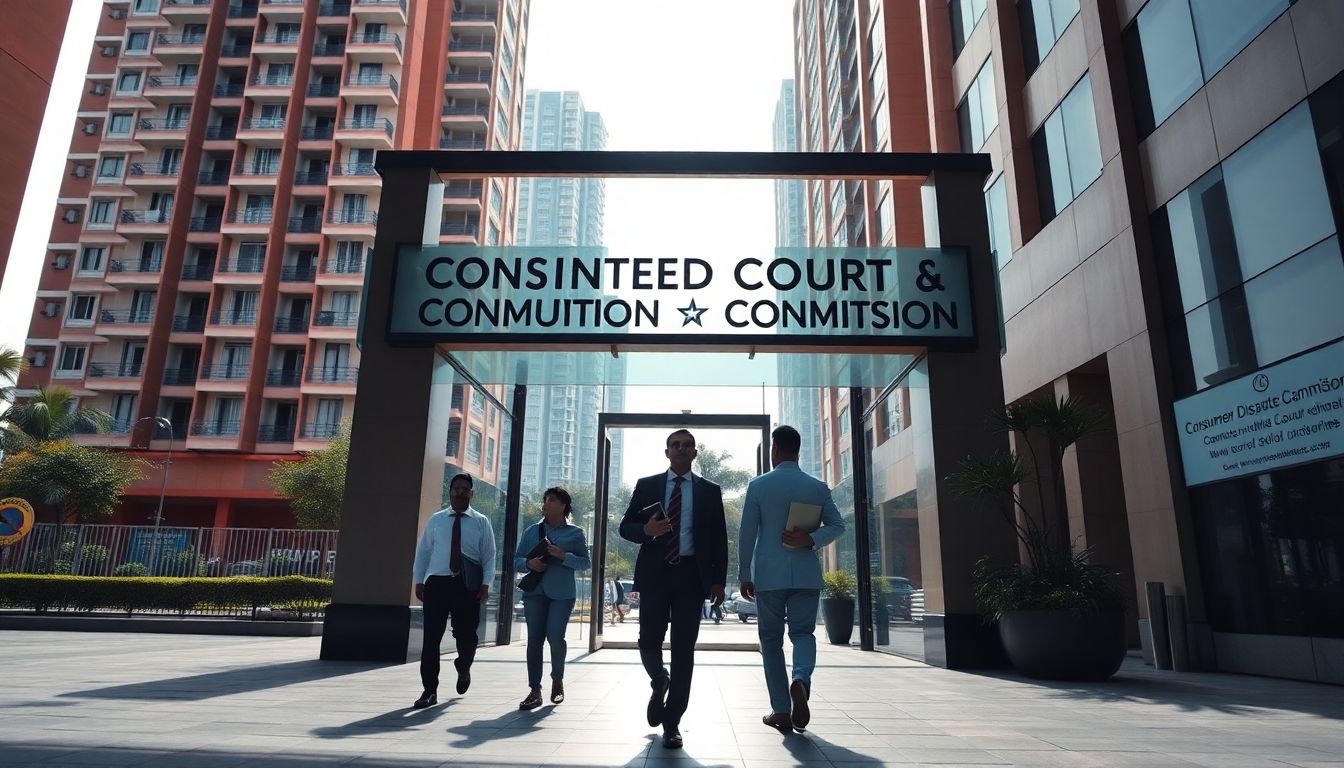
The Maharashtra State Consumer Disputes Redressal Commission has sentenced two partners of Sterling Constructions, Sameer Zaiuddin Khan and Sarosh Khan, to two years of simple imprisonment each for failing to comply with an earlier directive concerning a flat in Kurla. The commission also imposed a fine of Rs 10,000 on each partner and an additional fine of Rs 10,000 on the construction firm under Section 27 of the Consumer Protection Act, 1986.
The execution application was filed by Kurla residents Gladys D'Souza and Rommel D'Souza, who had originally approached the consumer commission over a flat in the Sterling Apartments project in Kurla in a case filed in 2013.
In the original consumer complaint order, the commission had directed Sterling Constructions to complete the construction of Flat No. A-601, measuring 665 square feet carpet area, obtain the occupancy and building completion certificates, and hand over possession to the complainants. The developers were also instructed to pay 21 per cent annual interest on Rs 16,68,940 from the date the complaint was filed until possession was given, alongside Rs 1 lakh as compensation for physical and mental harassment and Rs 15,000 towards litigation costs.
The complainants later filed an execution application seeking action against the developers under Section 27 of the Consumer Protection Act after the order was not fully executed.
During the proceedings, partner Sameer Khan submitted that changes in the demarcation of the plot led to revisions in the building plan, which had been submitted to civic authorities with further revisions made in 2022. He stated that the process to obtain the commencement and occupancy certificates remained pending and denied deliberate non-compliance. However, during cross-examination, Khan admitted that while possession of the flat had been handed over to the buyers, the occupancy certificate had still not been obtained.
The commission observed that the accused failed to comply with the order and held that the offence under Section 27 was proved beyond reasonable doubt. While the developer's counsel argued that the delays were beyond their control and requested leniency, the commission concluded that the builders took an excessively long time and still failed to achieve full compliance, warranting the imprisonment and penalties.