Maharashtra Approves Mumbai Skill University And Rs 4000 Crore ITI Upgrade Plan
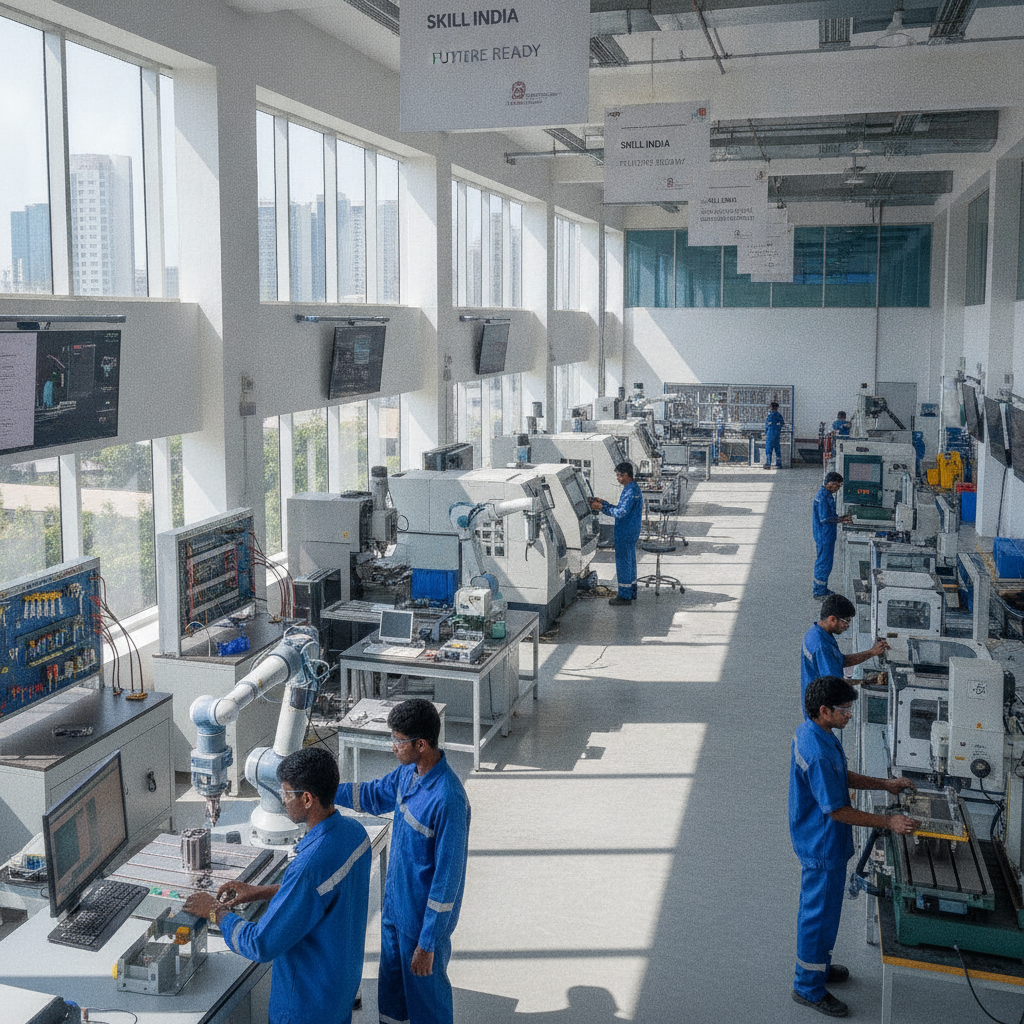
On Thursday, the Maharashtra government approved a new private skill university in Mumbai and announced a Rs 4,000-crore modernisation plan for Industrial Training Institutes (ITIs) to overhaul the state's vocational education ecosystem. Skill Development Minister Mangal Prabhat Lodha presented the Maharashtra Private Skill Universities (Establishment and Regulation) Second Amendment Bill, 2026, in the Legislative Council to clear the path for these major educational reforms.
The sweeping educational upgrade aims to align technical training with rapidly changing industry requirements. As part of this broader initiative, the state has also roped in the Tata Group to help upgrade technical education across various districts of Maharashtra and has set an ambitious target of placing one lakh young Maharashtrians in overseas jobs. Minister Lodha emphasised during the council presentation that these initiatives are structured to ensure that private participation in the education sector does not lead to commercialisation.
Under the newly approved bill, the 108-year-old Indian Education Society (IES) has been granted formal approval to establish the private Skill University in Mumbai. This new university will focus on high-demand, specialised professional skills. Its curriculum will feature industry-focused programmes in modern subject areas such as architecture, digital marketing, fintech, sports analytics, drone technology, and public policy.
Alongside the creation of the new university, the state’s Rs 4,000-crore plan will target the comprehensive modernisation of existing ITIs. This massive infrastructure upgrade will be carried out with critical assistance from the World Bank and the Asian Development Bank.
The modernisation roadmap includes upgrading training infrastructure across the state. It will also introduce several new-age courses, including electric vehicles, solar technology, and drone operations, to prepare students for emerging employment sectors.