Maharashtra Cabinet Approves Policy to Eliminate Narcotic Drugs by 2029
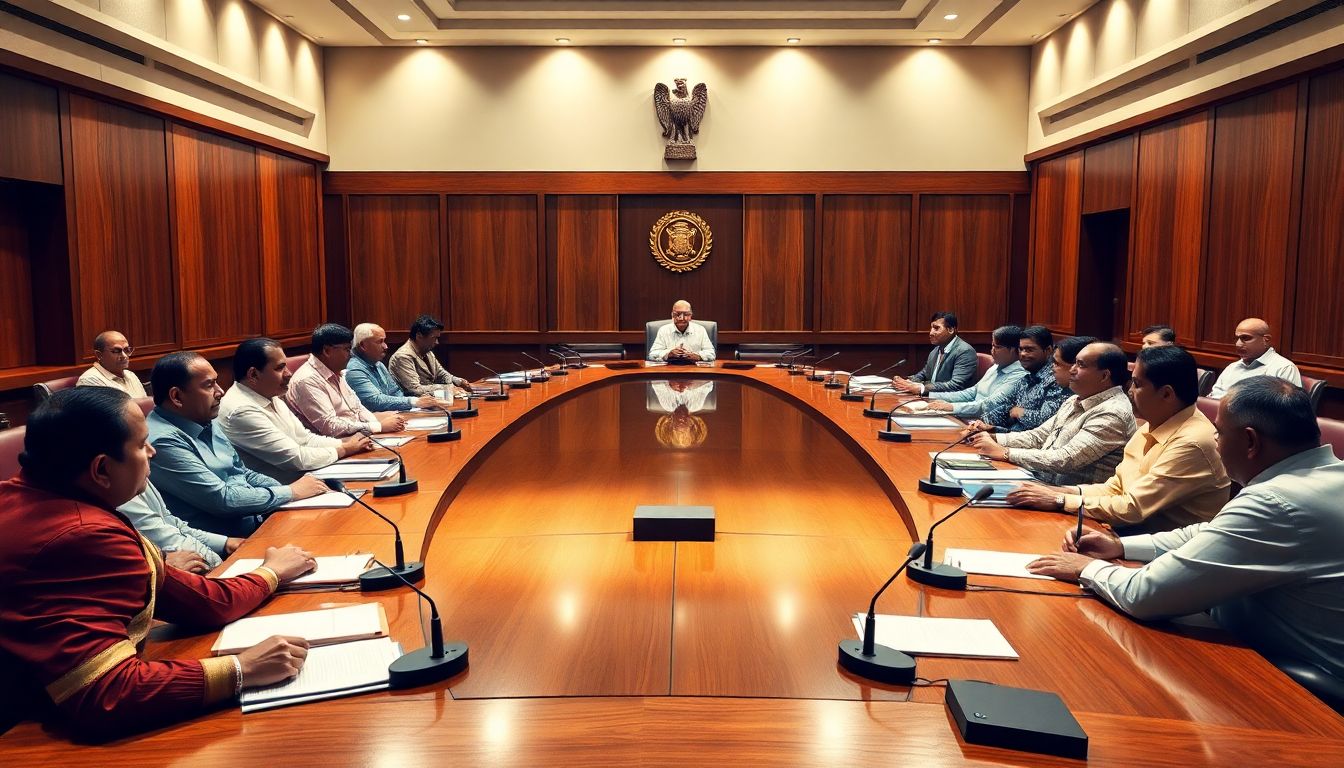
The Maharashtra Cabinet has approved a comprehensive policy aimed at completely eliminating narcotic drugs from the state by 2029. The decision was taken during a Cabinet meeting chaired by Chief Minister Devendra Fadnavis, strengthening the ongoing Nasha Mukt Bharat Abhiyan through a whole-of-government approach.
The initiative makes Maharashtra the first state in the country to implement a coordinated anti-drug campaign involving multiple departments from the village level up to the state Secretariat. The policy aligns with the Central government's objective of achieving a drug-free nation by 2029 through joint action across Central and state agencies.
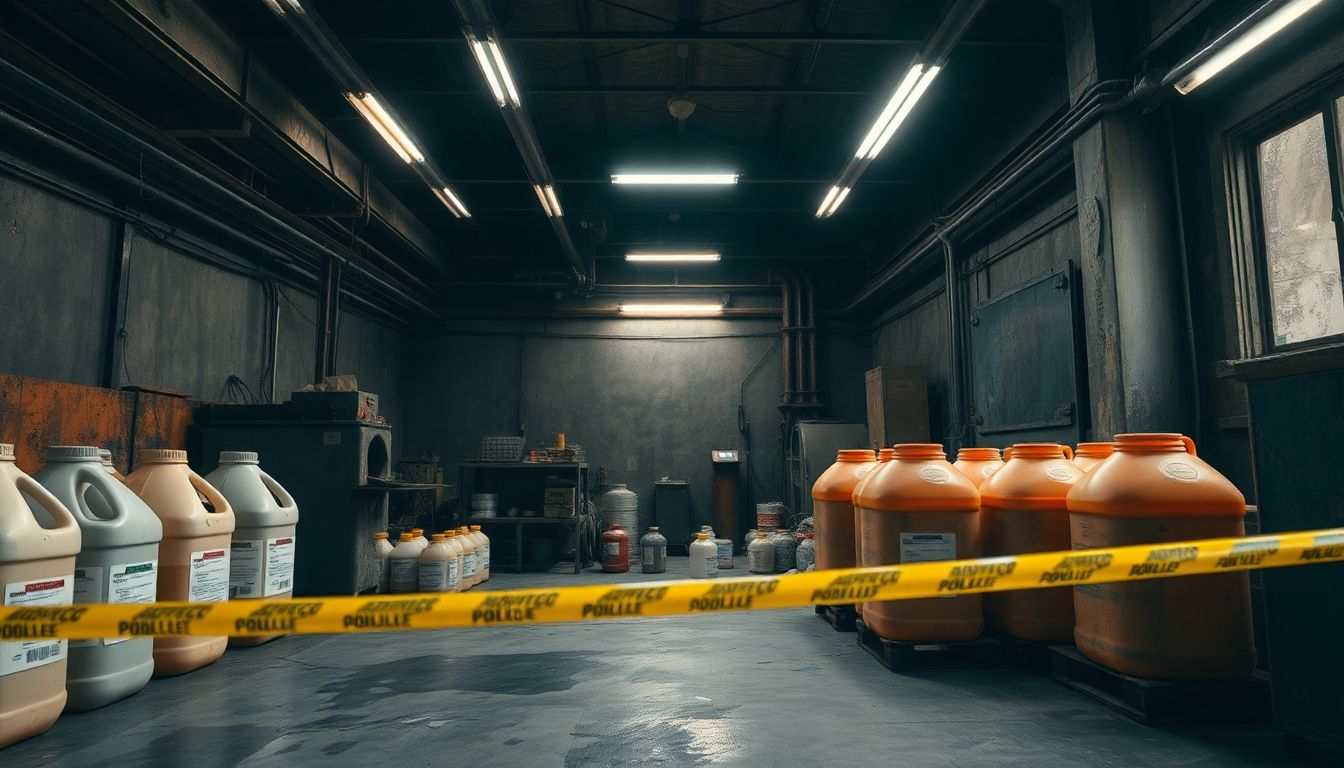
The policy operates on a two-pronged strategy focusing on extensive public awareness alongside stringent enforcement against the production, transport, sale, and consumption of narcotics. Its implementation rests on four main pillars: effective enforcement of narcotics control, significant reduction in supply, demand reduction, and de-addiction, treatment, and rehabilitation.
To ensure coordination, the state will work alongside the Anti-Narcotics Task Force. Each government department will appoint an officer of Deputy Secretary rank as a nodal officer at the Mantralaya level.
Under the action plan, educational measures will begin in the 2027 academic year, when schools will introduce at least one lesson on drug awareness from Class V onward. Additional marks will be given to schools conducting anti-drug activities under the third phase of the Chief Minister’s Majhi Shala, Sundar Shala initiative. The Higher and Technical Education Department will focus on maintaining drug-free campuses across all educational institutions.
Anti-drug campaigns will also be integrated into the Chief Minister’s Samruddha Panchayatraj Abhiyan and Majha Gaon, Arogya Sampanna Gaon programs, with additional marks awarded for effective execution. Furthermore, the state will institute an annual award on June 26 for the best-performing Drug-Free District, evaluating district performance between October 2 and April 30 each year.
Multiple state departments have been assigned specific responsibilities under the policy. Enforcement will be handled by the Home, Transport, Ports, and Law and Judiciary departments. The Revenue, Agriculture, and Forest departments will work to prevent illegal crop cultivation and supply, while the Food and Drug Administration and Industries departments will target synthetic drug manufacturing. Demand reduction and rehabilitation efforts will be divided among education, health, rural, and social justice departments.