Maharashtra CET Cell Mandates Observers, CCTVs for Institute-Level Tech Admissions
In Mumbai, the Maharashtra Common Entrance Test (CET) cell has decided to appoint observers at select private colleges and mandate video recording of institute-level admissions for technical education courses, introducing the measures in a bid to improve transparency across the state.
The new supervisory measures will apply to all admissions conducted after the completion of the centralised admission process (CAP) rounds for the 2026-27 academic session. The CET cell clarified that this includes institutional or management quota seats, as well as any seats and vacancies that remain unfilled following the conclusion of the CAP rounds.
The directives were issued through an official circular distributed to colleges, students, and parents. According to the CET cell, the appointed observers will be drawn directly from nearby government colleges. Principals, directors, or senior faculty members from these state-run institutions will be selected to visit and monitor the designated private colleges during the admission period.
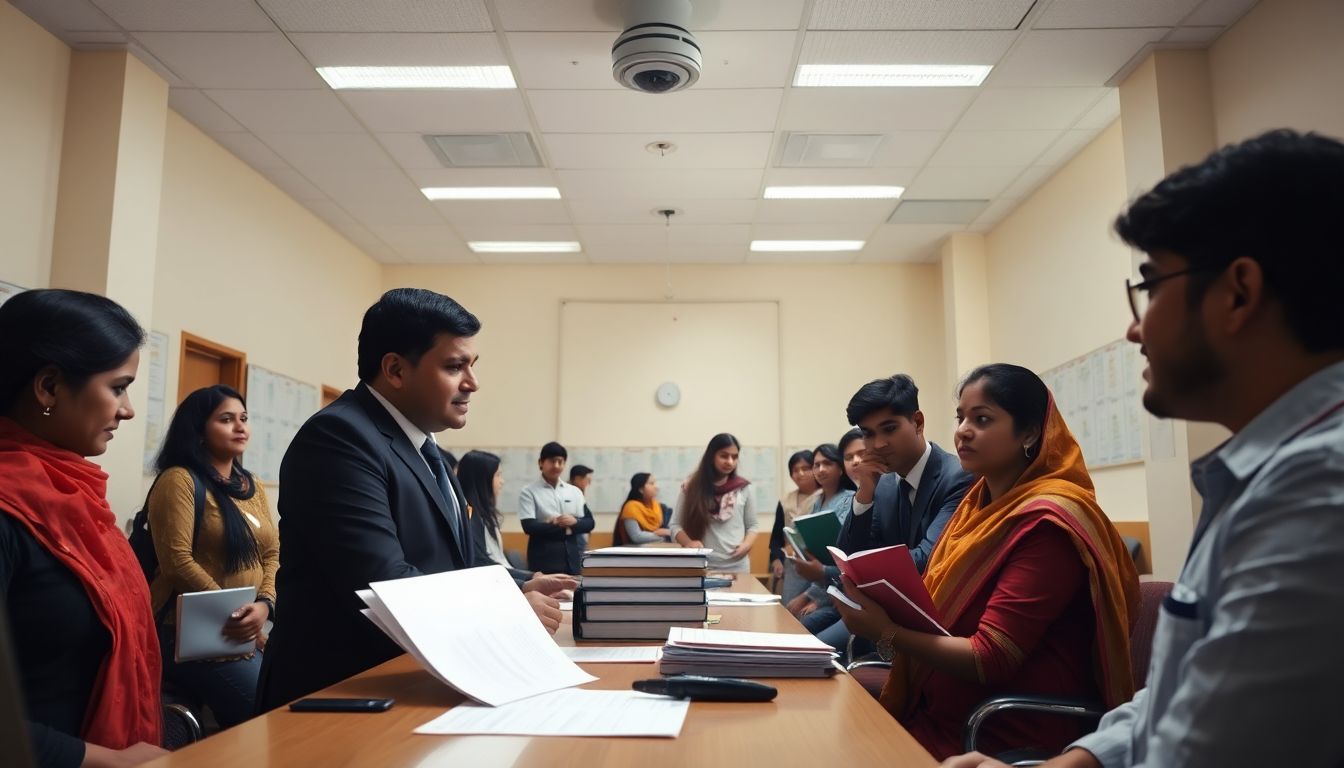
The appointed observers will hold specific supervisory responsibilities to ensure compliance. They will oversee candidate document verification, the formal preparation of institutional merit lists, the collection of student fee payments, and the actual seat allotment process. To maintain administrative oversight, the observers are required to prepare and submit daily compliance reports to the competent authority throughout the exercise.
Alongside independent observers, colleges will be obligated to place the admission process under continuous CCTV surveillance. The CET cell specified that recording is particularly mandatory in areas where document verification and seat allotments take place.
Private institutions will not only have to record the proceedings but also preserve the footage for a prescribed duration. The circular stipulates that colleges must store the recordings properly and produce the video files whenever requested for official inspection, audit purposes, or grievance redressal proceedings.