Maharashtra Detects 6,111 TB Cases and Flags 11,091 Villages as High Risk
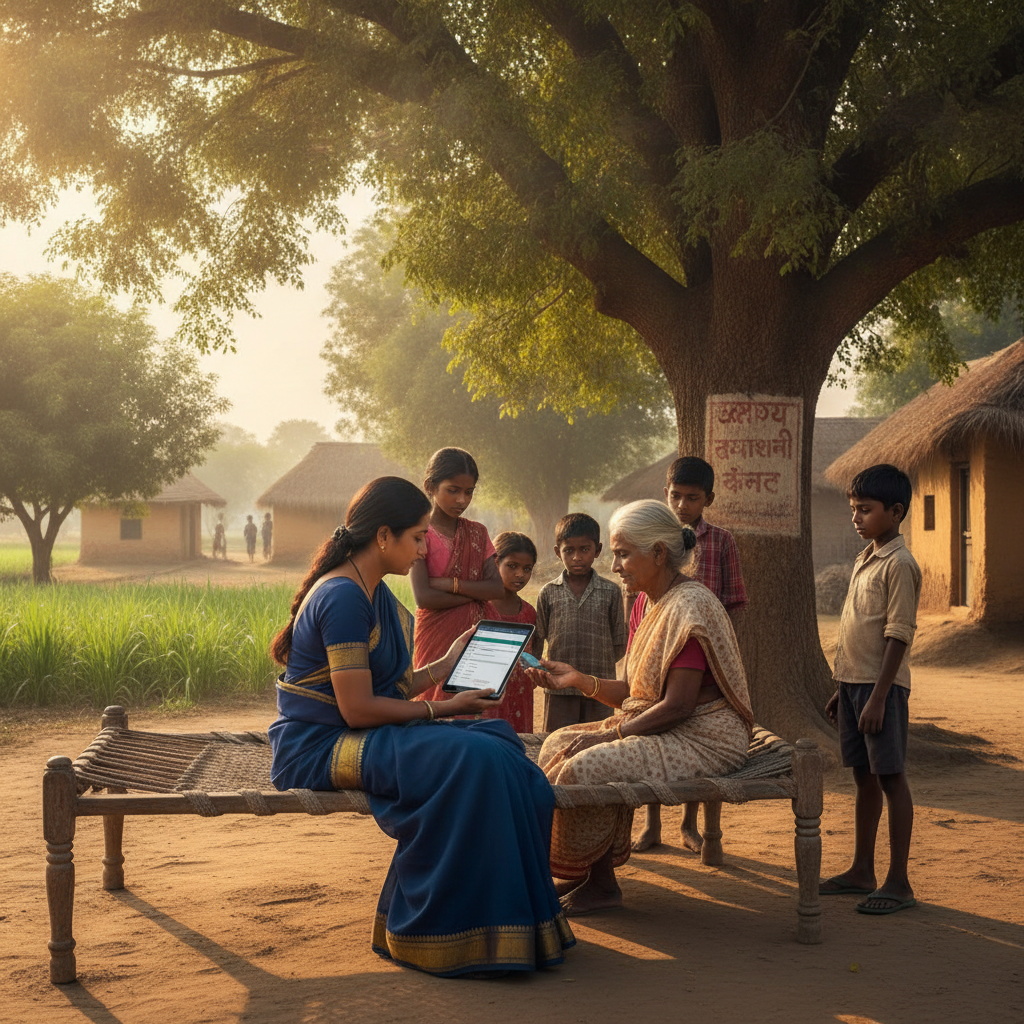
During a session of the Legislative Assembly in Mumbai, Public Health Minister Prakash Abitkar announced that Maharashtra has detected 6,111 new tuberculosis (TB) cases within the first 35 days of the Central Government's 100-day TB Mukt Bharat Abhiyan campaign. Additionally, an artificial intelligence-based assessment has classified 11,091 villages across the state as being at high risk for the disease.
The minister shared these details on Wednesday in response to a starred question raised by Dr. Nitin Raut and 12 other legislators, including Dr. Jitendra Awhad, Amit Deshmukh, and Sunil Raut. The inquiry highlighted concerns over the state's overall TB burden and the availability of diagnostic infrastructure and manpower in vulnerable areas.
According to state health officials, the 11,091 high-risk villages were not selected because they have active, confirmed outbreaks. Instead, they were flagged because the AI-based system predicted they are more vulnerable to future TB transmission.
The predictive tool, developed by Wadhwani AI for the Government of India, analyzed 32 indicators to make its assessment. These indicators are grouped under geospatial features, health and social determinants, and National TB Elimination Programme (NTEP) data.
Specifically, the model evaluated factors such as previous TB cases, contact history of TB patients, sanitation conditions, child undernutrition, vaccination status, literacy levels, and comorbidities like diabetes and hypertension. It also factored in tobacco and alcohol use, population density, pollution levels, vegetation cover, and geospatial determinants.
In his written reply, Minister Abitkar detailed the geographic distribution of these high-risk areas. Yavatmal district has the highest number with 539 flagged villages, followed by Amravati with 504 villages. Nashik and Raigad districts each have 488 villages categorized as high-risk, while Nagpur district has 482.
The targeted screening and surveillance of these villages are being carried out as part of the Centre’s 100-day TB-Free India campaign, which was officially launched on March 24.