Maharashtra FDA Issues Year-Long Food Safety SOP for Festivals and Community Feasts
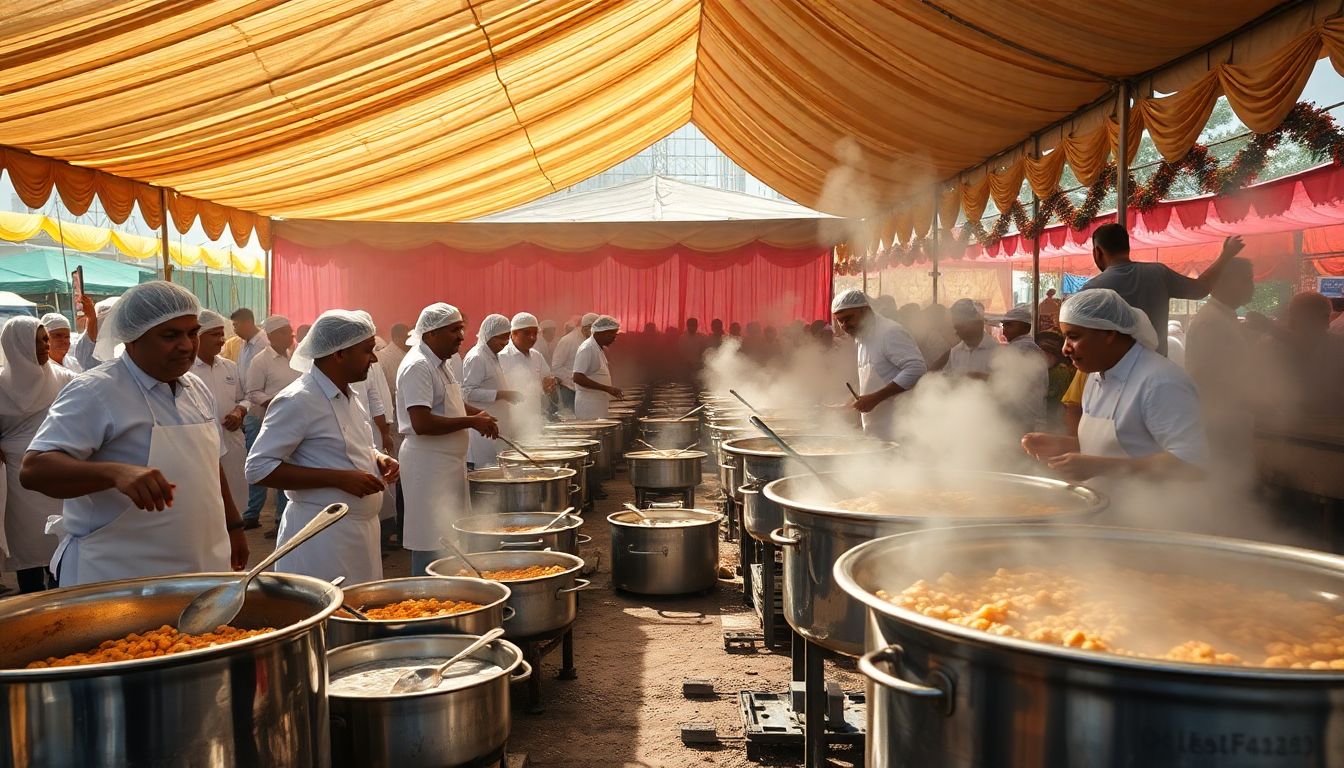
MUMBAI — Ahead of the festival season, the Maharashtra Food and Drug Administration has issued a comprehensive, year-long Standard Operating Procedure covering large-scale food distributions, including mahaprasad, iftar meals, annachhatra, langar, and bhandara across the state. Under the new guidelines, organising mandals and institutions must inform the FDA at least seven days prior to their events and ensure that all food is prepared and supplied exclusively by licensed caterers.
The regulatory body has introduced a permanent Festival Enforcement Calendar covering festivals, fairs, urus, and other religious celebrations throughout the year. The centralised framework eliminates the need for separate circulars for individual festivals, establishing a uniform inspection and sampling schedule across Maharashtra. Food Safety Officers have been directed to personally visit distribution sites to inspect food quality, kitchen hygiene, and regulatory compliance.
The measures address heightened risks of adulteration and unsafe practices driven by sharp increases in seasonal demand for milk, khoa, paneer, ghee, edible oil, gram flour, sweets, and dry fruits. To streamline operations, the FDA has categorised celebrations into three administrative tiers. Statewide enforcement will apply to major events including Ganeshotsav, Navratri, Diwali, Eid-ul-Fitr, Eid-ul-Adha, Christmas, and New Year’s Eve.
A second tier covering regional festivals—such as Makar Sankranti, Mahashivratri, Holi, Gudi Padwa, Akshaya Tritiya, Janmashtami, Dahi Handi, and Dussehra—will undergo targeted inspections. A third tier comprising local fairs, jatras, urus, palkhi processions, and village gatherings will be monitored by local regulatory teams.
Under the enforcement timeline, departmental inspections will commence 21 days before each festival. Officers will identify vulnerable distribution pockets and inspect food manufacturers, processing mills, wholesale markets, and storage facilities. During festivals, enforcement teams will conduct market surveillance, inspect sweet shops and eateries, perform on-the-spot testing, and handle consumer complaints. Monitoring and follow-up activities will continue for up to 30 days following the conclusion of each event.
Specific testing regimes have been established for high-risk seasonal commodities. Fasting ingredients such as bhagar, kuttu and singhada flour, sago, and rajgira will face targeted screening during Mahashivratri and Navratri. The department will inspect gram flour for adulterants, test dry fruits for contamination, and intensify inspections of edible oil prior to Dussehra, Diwali, and Ramzan. Any cooking oil found to exceed permissible safety limits will be barred from reuse and confiscated for disposal through authorised agencies.
Inspections during Christmas and New Year will specifically monitor cakes, cream products, chocolates, ice, and packaged drinking water. Warehouses operated by quick-commerce and online grocery platforms will also be inspected to prevent the distribution of expired goods. The FDA has instructed all food operators to hold valid licences, purchase ingredients only from authorised suppliers, and maintain detailed purchase records, while cautioning officials against unnecessary harassment of compliant businesses.