Maharashtra Forest Dept, RiWild Launch Drive Against Illegal Native Pets
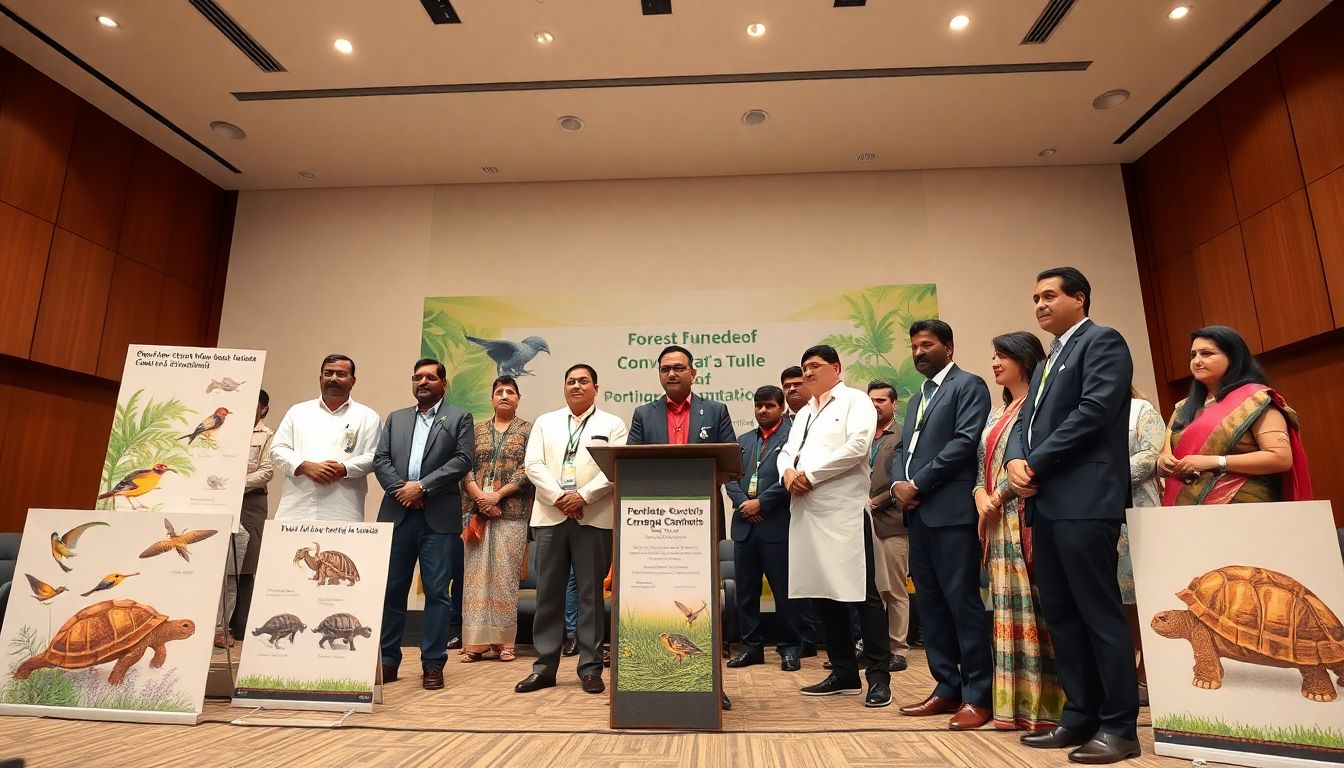
Srinivas Reddy, the Principal Chief Conservator of Forests for Maharashtra, launched a statewide awareness campaign in Mumbai during Wildlife Week to curb the illegal trade and domestic keeping of native wildlife species. Organised in collaboration with the RiWild Sanctuary & Charitable Trust, the initiative focuses on native wild birds, turtles, and other animals frequently captured and sold as pets.
The formal launch in the city included the unveiling of a series of informative posters highlighting the wildlife species most frequently trafficked and kept unlawfully across India. These educational posters are scheduled for distribution to more than 500 veterinary clinics located throughout Maharashtra.
Organisers stated that the initiative aims to utilise veterinary clinics as key public education centres. Through these facilities, veterinarians will guide pet owners on which native species are legally protected from private ownership, as well as the specific statutory provisions and penal consequences associated with wildlife trade and possession.
Dr Rina Dev, president of the RiWild Sanctuary & Charitable Trust and a practicing veterinarian, emphasised the role of veterinary clinics in halting the unlawful trade. She explained that many citizens inadvertently purchase protected wildlife without knowing the legal prohibitions in place, which frequently leads to the neglect or desertion of the animals.
Dr Dev noted that abandoned wildlife has become an alarming consequence of the trade across urban areas. She stated that Indian Star Tortoises have frequently been discovered discarded along highways and dumped inside municipal garbage bins after owners realise they cannot maintain them.
According to RiWild, the rising interest in acquiring wild species as exotic or novelty pets sustains a damaging cycle across the region. The group observed that this market demand drives the illegal capture of native fauna from natural habitats, followed by smuggling, substandard care in homes, and ultimate abandonment.