Maharashtra Grants ₹30 Crore More for Savitribai Phule Auditorium in Dombivli
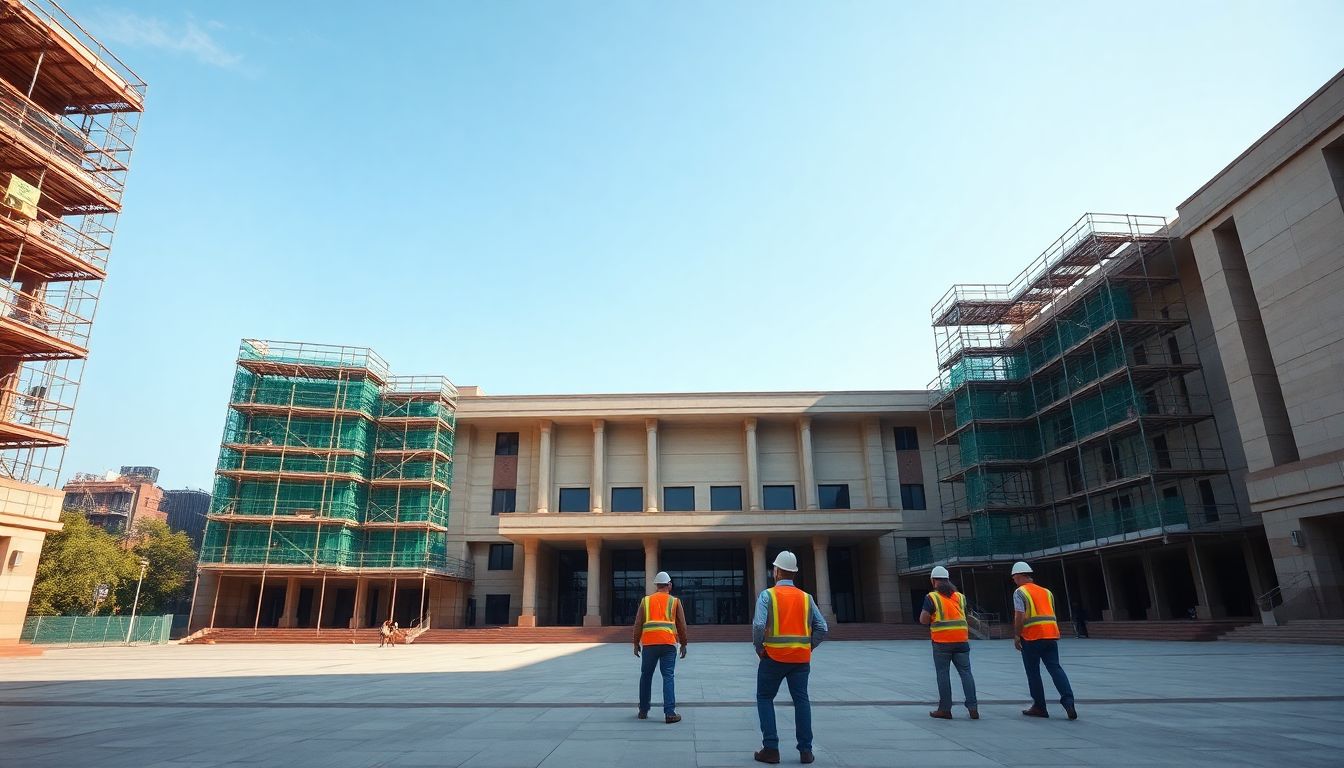
The Maharashtra government on November 4, 2026, approved an additional ₹30 crore for the pending redevelopment of the iconic Savitribai Phule Auditorium in Dombivli, bringing total project funding to ₹45 crore. The fresh allocation is set to give momentum to the long-awaited project, paving the way for the revival and reopening of the key cultural landmark that has remained shut due to the deteriorating condition of its building.
The Urban Development Department issued a Government Resolution (GR) sanctioning the additional funds on the directions of Deputy Chief Minister and Urban Development Minister Eknath Shinde. The decision followed sustained efforts by Kalyan Member of Parliament Dr. Shrikant Shinde, who had repeatedly taken up the issue with the state government to secure adequate financial backing and ensure work did not stall because of a shortage of funds.
Under the sanctioned framework, the state government will bear 100 per cent of the total project cost. The Kalyan-Dombivli Municipal Corporation (KDMC) has been designated as the authority responsible for executing the complete redevelopment work.
The funds have been allocated under the state government's scheme providing special assistance towards the development of basic civic amenities in municipal corporation areas. Prior to this latest sanction, an earlier sum of ₹15 crore had already been approved for the auditorium's redevelopment.
The Savitribai Phule Auditorium has long formed an essential part of Dombivli’s cultural identity, hosting theatre performances, musical programmes, literary meets, and various public events. Its prolonged closure following structural deterioration deprived local theatre groups, performing artists, and cultural organisations of an important venue.
Once completed, the redevelopment is expected to restore the facility as a modern cultural hub serving Dombivli as well as neighbouring areas. The project will provide artists with dedicated spaces for performances, rehearsals, and exhibitions, while offering audiences upgraded facilities to attend cultural programmes.
The redevelopment blueprint includes a spacious main stage, improved seating arrangements, upgraded interiors, and modern lighting systems. Plans also feature a separate drama theatre dedicated to smaller productions, specialised rehearsal rooms for artists, and an independent art gallery to promote visual arts. In addition to the internal renovation, the surrounding external premises will be developed to establish a comprehensive cultural facility.