Maharashtra Launches Seven-Month Lok Adalat Drive to Settle Revenue Disputes
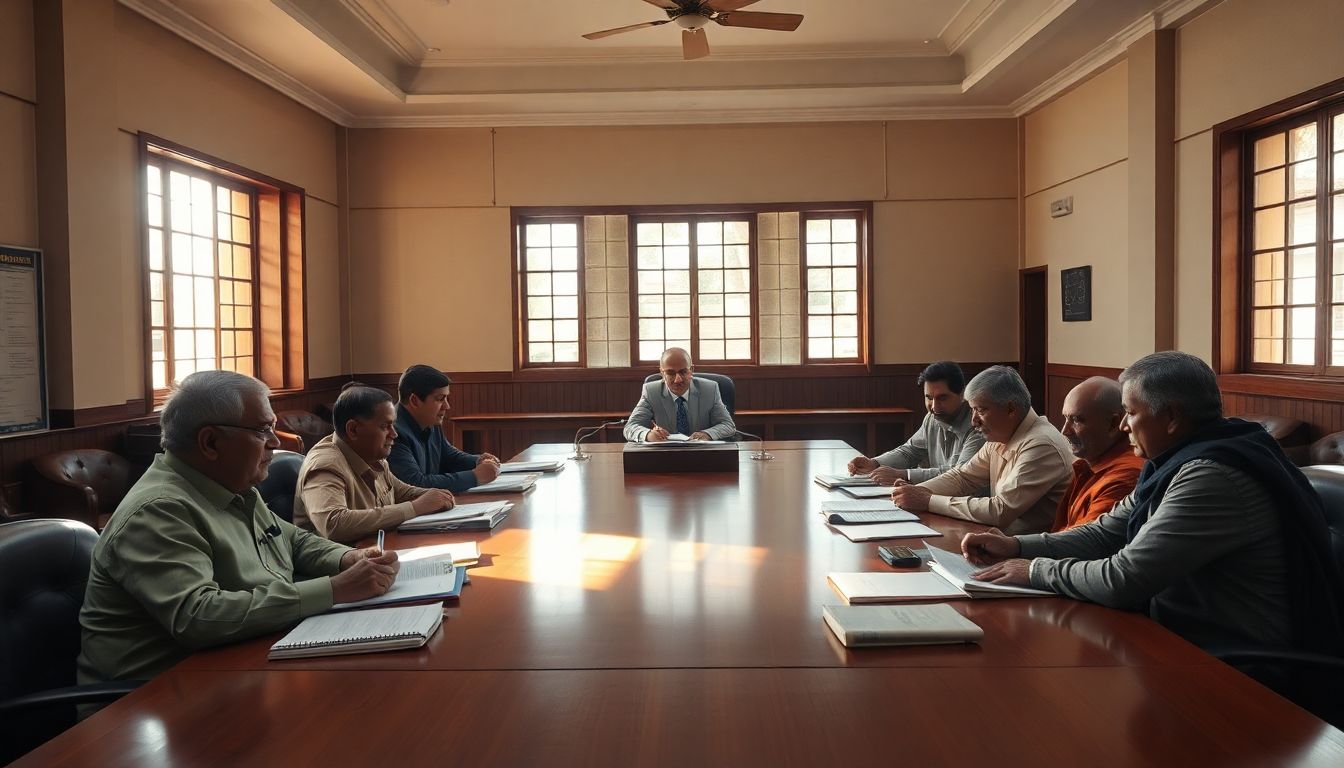
The Maharashtra Revenue Department has announced a seven-month statewide campaign to settle pending revenue disputes through Lok Adalats, aiming to provide relief to lakhs of litigants and farmers involved in prolonged quasi-judicial proceedings.
Named the ‘Mahatma Jyotirao Phule Revenue Lok Adalat Campaign’, the initiative is scheduled to run from September 1, 2026, to March 31, 2027. The drive coincides with the bicentenary birth anniversary year of social reformer Mahatma Jyotirao Phule. A government resolution formally instituting the campaign was issued on August 13.
The initiative was undertaken by Revenue Minister Chandrashekhar Bawankule following directions from Chief Minister Devendra Fadnavis. The campaign will cover pending revenue cases and appeals currently before quasi-judicial authorities across Maharashtra, ranging from Circle Officers and tehsildars to Sub-Divisional Officers, Deputy Collectors, Additional Collectors, and District Collectors.
Under the guidelines of the drive, District Collectors are required to organise Revenue Lok Adalats at all administrative levels once every three months. The disputes will primarily be resolved through mutual consent between the involved parties.
According to the prescribed settlement procedure, both parties or their legal representatives can jointly submit an application seeking a compromise. Revenue authorities will then scrutinise the submissions and draft a legally valid settlement agreement based on mutual consent. A final order will subsequently be passed on the scheduled Lok Adalat day, bringing the dispute to a permanent conclusion.
To raise awareness, the Revenue Department has instructed district and divisional administrations to publicise the campaign via official websites and notice boards at tehsil, sub-divisional, and Collectorate offices. Information will also be made available at village revenue offices and Circle Officer premises to reach rural citizens and farmers directly.
Divisional Commissioners have been tasked with submitting quarterly progress reports to the state government regarding the implementation of the initiative across their respective jurisdictions.
Bawankule noted that the initiative seeks to ensure timely justice for ordinary citizens and farmers while reducing legal expenses, protracted litigation, and associated stress.