Maharashtra Seeks UNESCO Heritage Status for Ganeshotsav and Dahi Handi
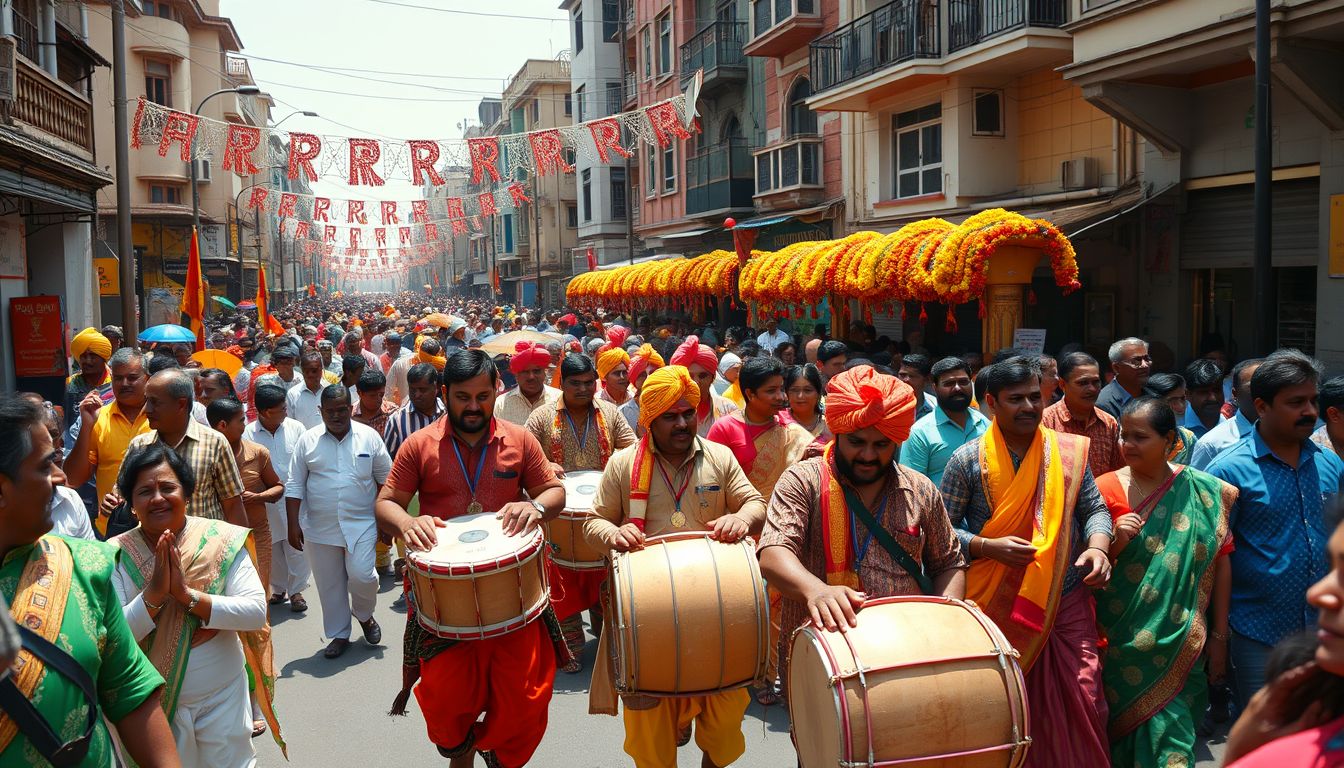
The Maharashtra government is seeking UNESCO's Intangible Cultural Heritage recognition for two of the state's largest public celebrations, Ganeshotsav and Dahi Handi, and is preparing a series of initiatives to strengthen its case.
The push follows the addition of Deepavali to UNESCO's Intangible Cultural Heritage list in 2025. The international list seeks to safeguard living heritage, traditions, knowledge, skills, and cultural expressions passed down across generations and maintained by communities.
State Cultural Affairs Minister Ashish Shelar said Ganeshotsav programmes will be organised across all 36 districts of Maharashtra, as well as in 10 other states and one foreign country, as part of the efforts to secure the UNESCO listing.
Ganesh worship in Maharashtra carries deep historical roots, having received patronage from the Peshwas before Lokmanya Bal Gangadhar Tilak transformed the private celebration into a mass public festival in 1893 to unite people during the freedom struggle under British rule. The festival is now celebrated on a massive scale across the state, with an estimated 28 lakh Ganpati idols. Mumbai alone hosts around 10,600 sarvajanik Ganesh mandals, with approximately 2,500 seeking official permission for the 10-day festival.
The state is also seeking the global cultural tag for Dahi Handi, which takes place a day after Janmashtami to celebrate the birth of Lord Krishna by combining religious devotion, community participation, and sport. Over a decade ago, politician Sachin Ahir organised a large-scale Dahi Handi competition at Jamboree Maidan in Worli, a format that subsequently spread across Mumbai and the Mumbai Metropolitan Region with significant prize money.
In 2025, around 1,800 Dahi Handi events were held across Maharashtra, including approximately 1,300 in Mumbai. The state government provides Rs 10 lakh insurance cover to each Govinda taking part in the celebrations.
Other Indian cultural traditions already inscribed on the UNESCO list include Deepavali, Durga Puja, Kumbh Mela, and Garba.