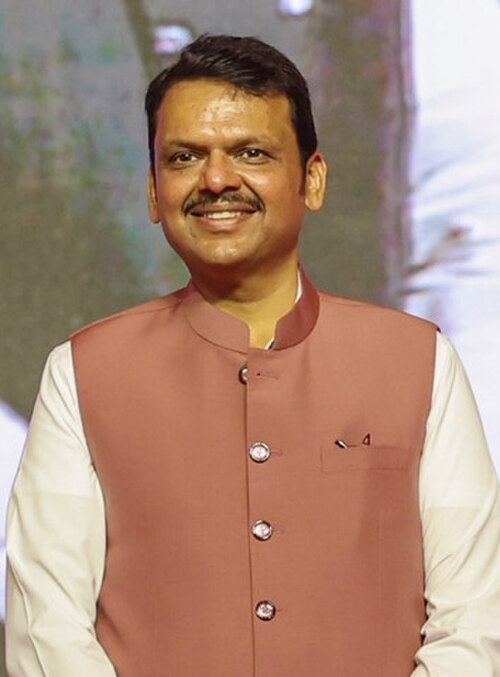
Maharashtra to Invest in Gen-Z-Focused Marathi Cinema, Says Ashish Shelar
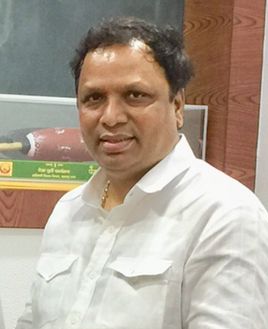
The Maharashtra government will invest in producing modern, technology-driven Marathi cinema tailored specifically for the Gen-Z audience if a viable model is developed, state Cultural Affairs Minister Ashish Shelar announced on Tuesday, August 18, 2026.
Speaking at a seminar organised by the Maharashtra Film, Theatre and Cultural Development Corporation alongside the Akhil Bharatiya Marathi Chitrapat Mahamandal, Shelar highlighted the need to establish an emotional connection with younger viewers, citing the reach and resonance of South Indian cinema.
Shelar noted that while Marathi cinema has no shortage of quality, innovation, or acting talent, the industry needs to address the connecting factors necessary for broader commercial success. He stated that the availability of screens, the distribution network, and the cultivation of a new audience require careful study alongside film production.
Urging filmmakers to adopt artificial intelligence and high-end visual effects, Shelar emphasised that the core essence of the Marathi language must be retained. He acknowledged that while AI, digital platforms, and modern technologies present challenges to the film industry, they should be embraced as opportunities. He suggested organising industry workshops and discussions, including practical demonstrations on AI tools, applications, and challenges.
The Minister said the financial burden of mounting such tech-enabled productions should not fall solely on independent producers, confirming that the state government is ready to participate as an investor once a workable framework is established.
Addressing the gathering, Film City Managing Director Swati Mhase Patil stated that the studio complex must evolve from a mere shooting location into a complete ecosystem for the film industry. She observed that the rise of smartphones, smart TVs, and OTT platforms has altered how movies are produced, edited, and consumed, bringing both challenges and opportunities.
Mhase Patil added that Film City is actively developing its ecosystem across five identified pillars, focusing on infrastructure upgrades, skill development, technology adoption, and ease of doing business.