Maharashtra Unveils 7 to 55-Tonne Electric Trucks Developed in Pune
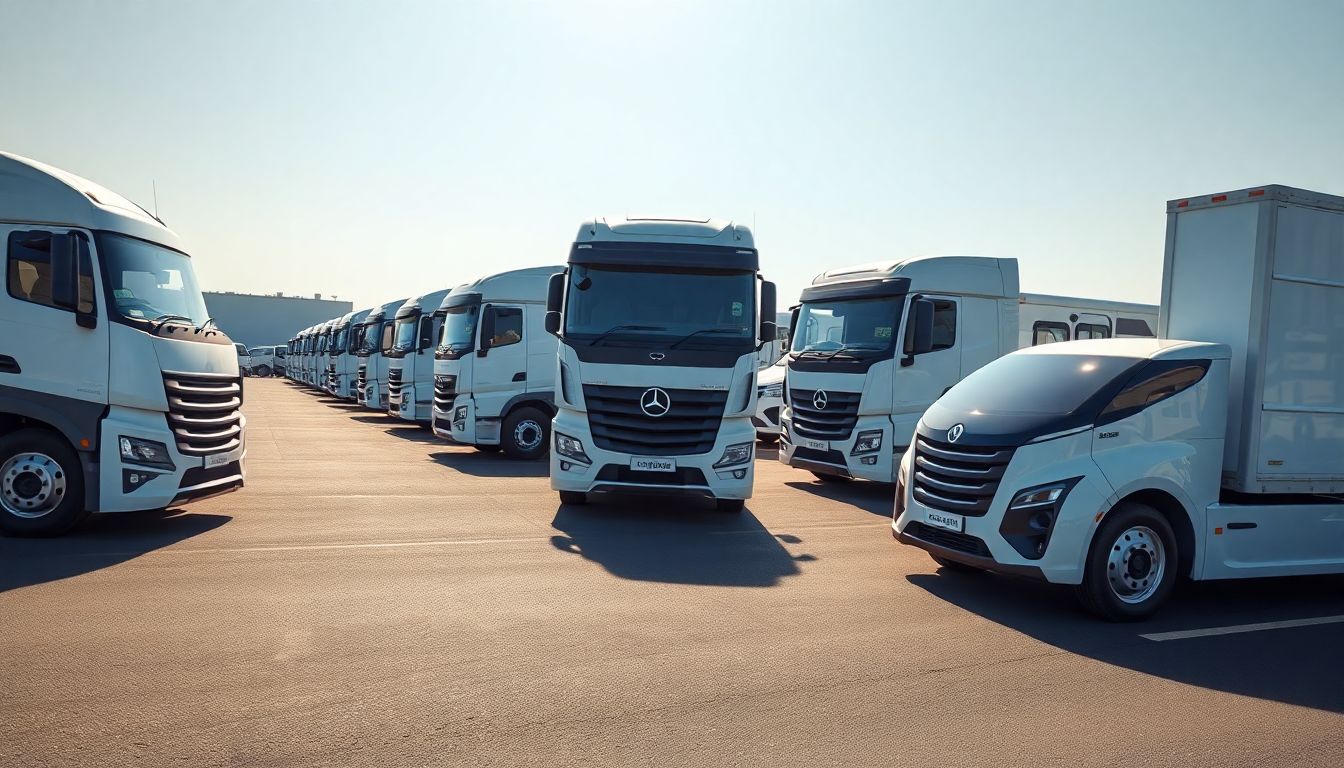
Maharashtra on Monday showcased a new range of battery-electric trucks spanning 7 to 55 tonnes, as the state government seeks to expand electric mobility beyond passenger vehicles and into commercial transport. Transport Minister Pratap Sarnaik pitched the unveiling as a major step towards cleaner and more sustainable commercial transport. Tata Motors presented what it described as India's first complete battery-electric truck range in these weight categories, with the vehicles having been designed and developed by Indian engineers in Pune.
Addressing the gathering, Sarnaik stated that Maharashtra was the first state to formulate a separate policy tailored specifically for battery and electric trucks. He emphasized that the state government has created an environment aimed directly at attracting investment in the electric vehicle sector. “Today is not merely the launch of new electric trucks, but an important milestone in India's green and sustainable transport revolution,” Sarnaik said during the event.
The newly introduced electric trucks offer an operational range of up to around 350 km on a single charge and feature fast-charging capability. Government officials stated that adopting electric trucks could help reduce vehicle emissions as well as fuel and operating costs for transporters, potentially making commercial transport operations significantly more economical over time.
Sarnaik also linked the shift toward electric commercial vehicles to the central government's 2070 net-zero target, noting that the electrification of road transport will be crucial to achieving this long-term environmental objective. He added that Maharashtra’s EV policy, alongside the Centre's PM E-DRIVE scheme, could accelerate the widespread adoption of electric commercial vehicles across the state.
Furthermore, the transport minister stated that the transition to electric heavy transport could create new jobs and boost skills across multiple technical domains. These include battery technology, research and development, vehicle manufacturing, charging infrastructure, and vehicle servicing. “The future direction of commercial transport is now clear,” Sarnaik said, adding that Maharashtra would seek to lead the transition towards cleaner and sustainable mobility.