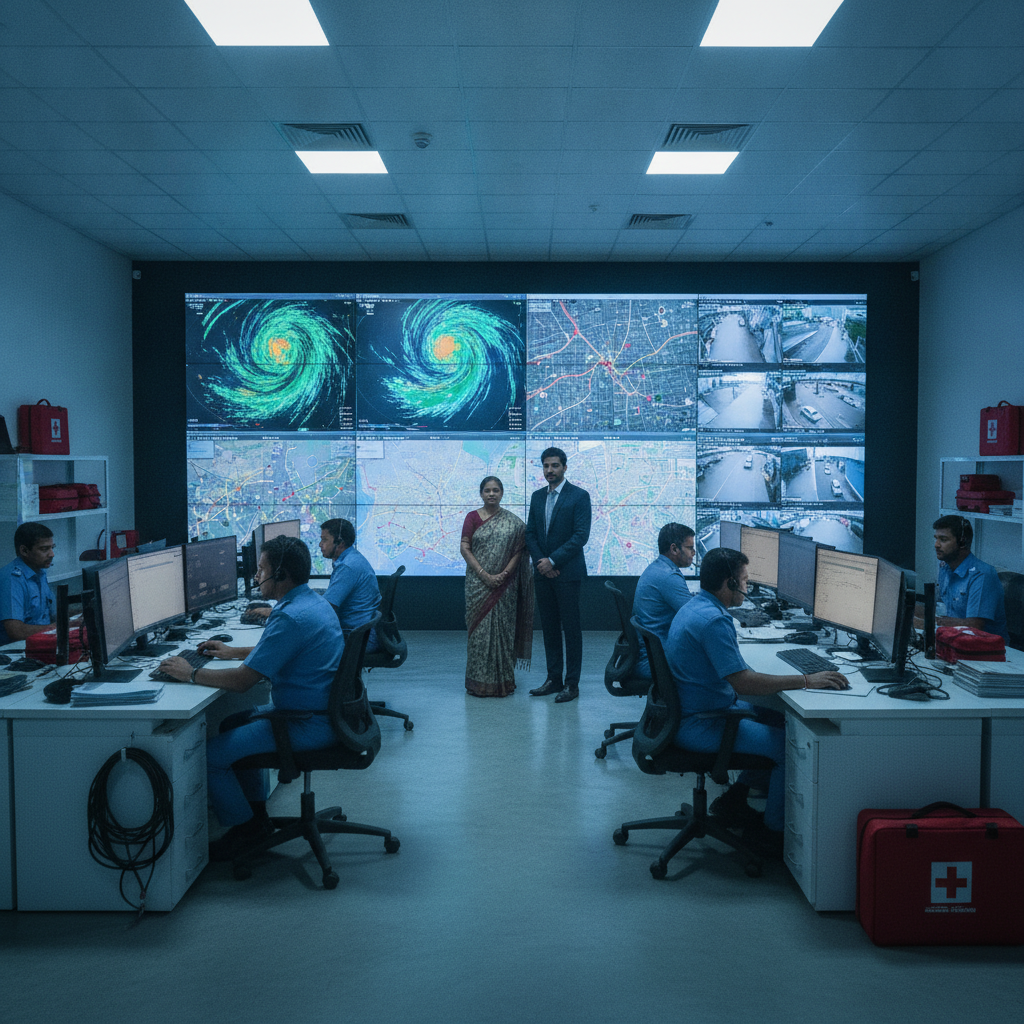
Malad Corporator Tajinder Singh Tiwana Launches 24x7 Monsoon Disaster Control Room
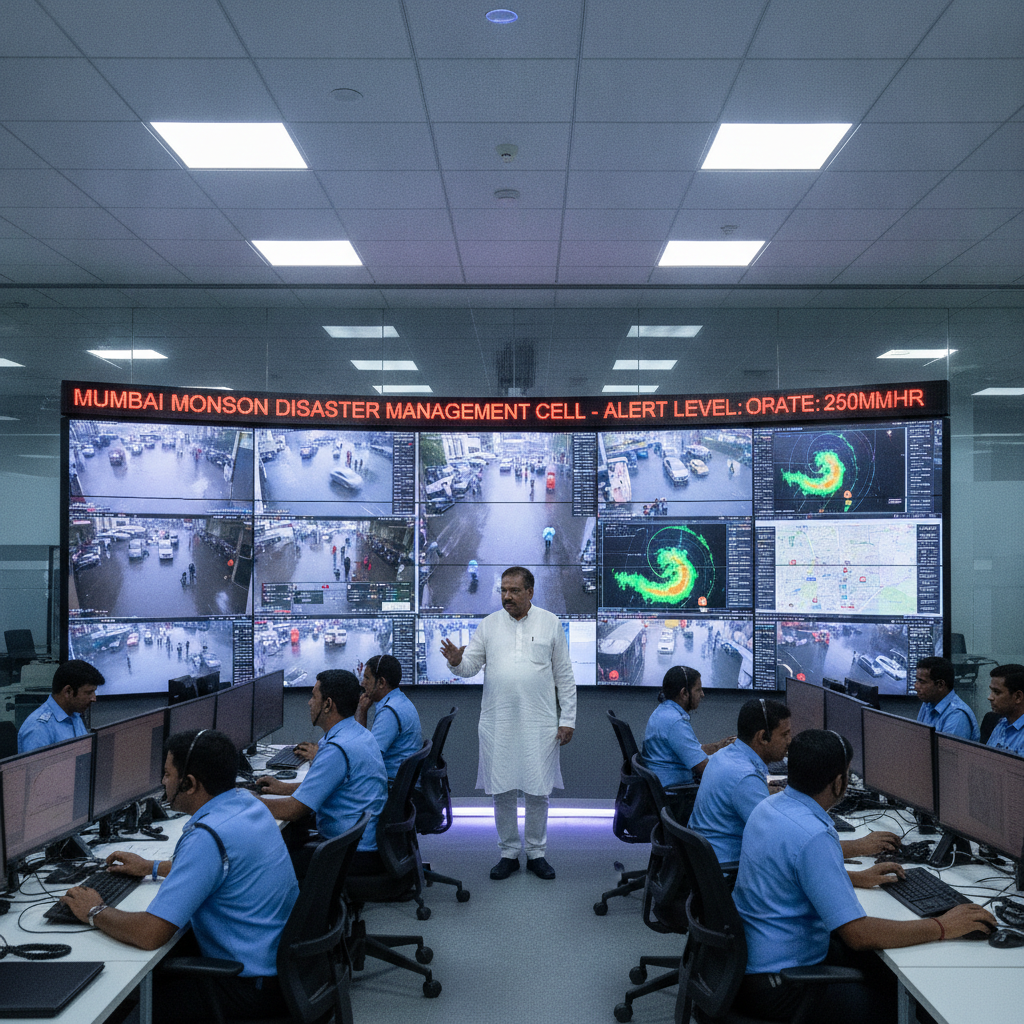
On Sunday, local BJP corporator Tajinder Singh Tiwana launched a dedicated 24x7 monsoon disaster control room near Maharana Pratap Garden beneath the Malad Link Road Metro Station in Malad (West) to monitor and respond to emergencies during the upcoming rainy season.
The facility, which is a first for the area, is designed to track and manage various monsoon-related issues. These include waterlogging, traffic congestion, fallen trees, short circuits, and other localized emergencies.
To enable real-time monitoring, Wi-Fi-enabled surveillance cameras have been installed at six flood-prone locations across the ward. The live feeds from these cameras will allow the control room team to identify developing situations and coordinate responses with key agencies, including the Brihanmumbai Municipal Corporation (BMC), the Fire Brigade, local police, disaster management authorities, and the electricity department.
Tiwana, who is also a BMC standing committee member, is funding the initiative's labourers out of his own pocket. The workers have been instructed to remain available around the clock to ensure immediate action can be taken during extreme night-time rainfall.
The team has been equipped with specialized gear, including drain cleaning equipment to clear blockages, tree trimming tools, and floats. Tiwana stated that he obtained prior permission from the civic body before setting up the control room on the public road.
According to Tiwana, the idea for the control room stemmed from a 2021 flooding incident in Ram Nagar, a local slum pocket. During that event, a nearby nullah overflowed, forcing Tiwana to personally carry a senior citizen to safety.
Tiwana noted that during heavy rain days, the civic body often faces extreme pressure, which can delay the arrival of emergency teams. He explained that he decided to establish his own team to prevent situations from getting out of control before official help arrives.
He added that conventional methods are no longer sufficient to address modern urban challenges, and that technology-driven monitoring will significantly reduce response times.