Marathi Ekikaran Samiti Protests Extension for Cab and Auto Drivers to Learn Marathi
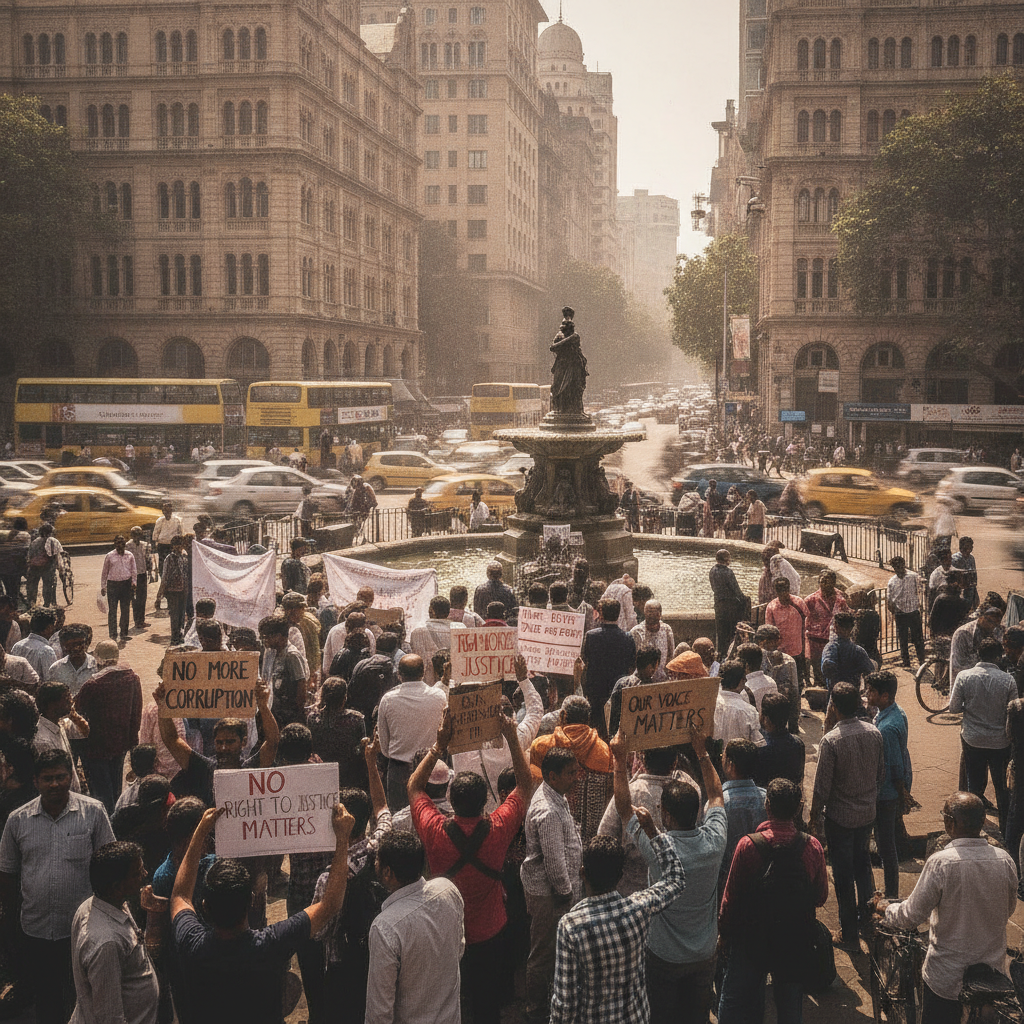
Members and supporters of the Marathi Ekikaran Samiti gathered at Hutatma Chowk on Saturday to protest against the Maharashtra government's decision to grant auto-rickshaw, taxi, and app-based cab drivers an additional year to learn Marathi. Demonstrators from Thane, Mumbai, Kalyan, Navi Mumbai, Vasai-Virar, and adjoining areas assembled to demand the immediate withdrawal of the extension.
The organisation opposed the relaxation in the implementation of Marathi language requirements, asserting that the one-year extension granted to drivers operating auto-rickshaws, traditional taxis, and app-based aggregators such as Ola and Uber has hurt the sentiments of Marathi-speaking citizens. The group demanded a clear and time-bound framework for enforcing the language mandate.
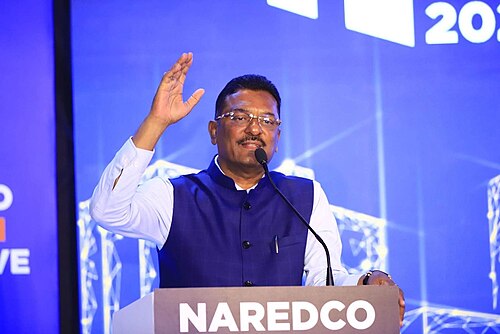
During the demonstration, participants paid tribute to the 107 martyrs of the Samyukta Maharashtra movement. Addressing the gathering, Marathi Ekikaran Samiti president Govardhan Deshmukh stated that there should be no unnecessary relaxation in enforcing the policy.
Deshmukh said the organisation was saddened by the decision to grant an extension and stressed that there could be no compromise on the state's cultural and linguistic identity. He affirmed that the Samiti would continue to pursue its campaign using democratic and constitutional measures.
A delegation from the organisation plans to meet Chief Minister Devendra Fadnavis and Deputy Chief Minister Eknath Shinde to submit a formal memorandum seeking the revocation of the extension.
The Samiti has also stated that it is prepared to explore legal avenues if the state government does not address its concerns. Representatives noted that they would examine the legal validity and implementation details of the extension before determining whether to approach the courts.
Additionally, the organisation expressed disapproval of celebrations reported in certain areas following the government's announcement, reiterating that the language requirement remains deeply tied to the historical movement that led to the formation of Maharashtra.