MEIL to Deploy Second TBM Arjuna for Thane-Borivali Twin Tunnel
Infrastructure firm MEIL is set to begin operations with 'Arjuna', the second tunnel boring machine, for the Thane–Borivali Twin Tunnel Project, following the successful commissioning of 'Nayak', the first tunnel boring machine. The project will establish direct underground connectivity between Ghodbunder Road in Thane and the Western Express Highway near Borivali.
Spanning a total length of 11.84 kilometres, the infrastructure project comprises a 10.25-kilometre twin tunnel section alongside 1.59 kilometres of connecting approach roads. Constructed directly beneath the Sanjay Gandhi National Park, the tunnels are engineered to reach a maximum depth of approximately 23 metres underground.
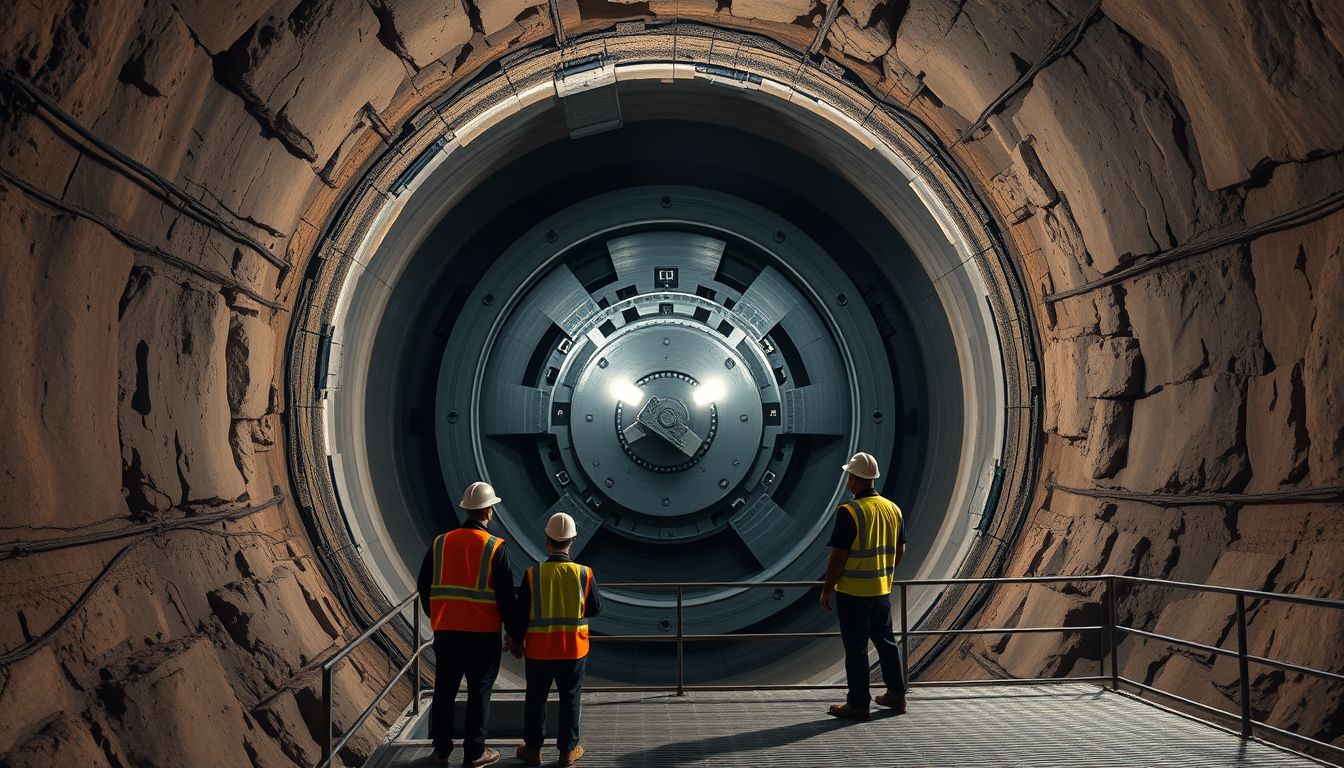
The deployment of 'Arjuna' represents a major construction milestone for the project. The TBM is one of India’s largest hard-rock tunnel boring machines, featuring a 13.34-metre diameter, an 86-metre length, and an approximate total weight of 2,500 tonnes. Built with a single-shield, open-type design engineered in Germany, the machine is specifically tailored for challenging hard-rock conditions.
Once completed and opened to traffic, the underground route is expected to cut travel time between Thane and Borivali from around 60 to 90 minutes down to just 15 minutes. The project is projected to carry approximately 80,000 vehicles a day by 2029, providing significant relief from surface traffic congestion.
Interior specifications for the twin tunnels include two traffic lanes and one emergency lane in each tunnel section. Commuter safety infrastructure features cross-passages located every 300 metres throughout the length, along with mechanical ventilation, fire-fighting systems, and smoke-detection equipment. Illuminated retro-reflective and LED signage meeting international standards will also be placed inside.
Because the route runs beneath Sanjay Gandhi National Park, the project has been designed to minimise environmental impact. In addition to reducing air and noise pollution to support sustainable and integrated urban development across the Mumbai Metropolitan Region, the project includes a compensatory plantation initiative to plant around 11,000 trees.