MMRDA Wins Approval To Widen Marine Drive To 13 Lanes Near Charni Road
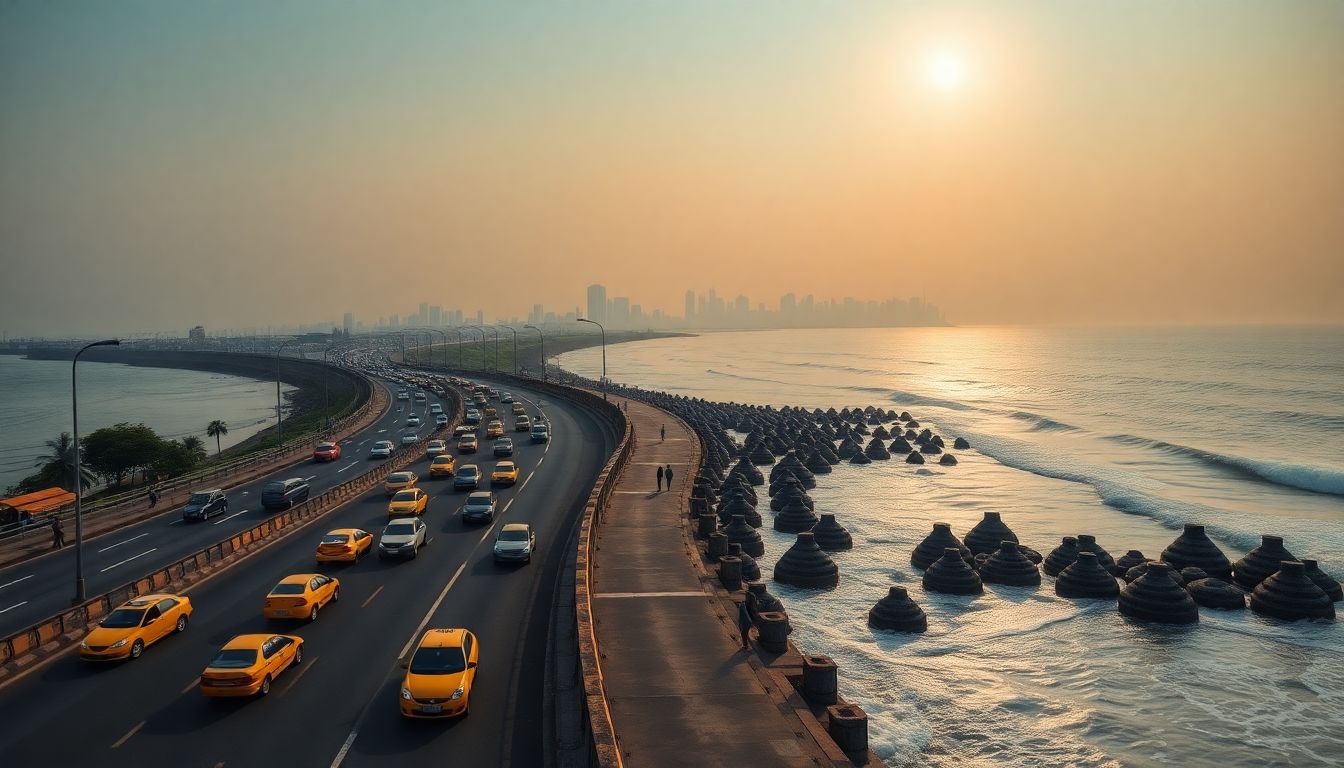
The Mumbai Metropolitan Region Development Authority (MMRDA) has received approval from the Maharashtra Coastal Zone Management Authority (MCZMA) to widen a 300-metre stretch of Marine Drive near the Charni Road railway station and Jawahar Bal Bhavan from eight lanes to 13. While the road-widening has been cleared, a decision on reclaiming land from the sea to build a replacement promenade has been deferred to the federal environment ministry.
The lane expansion is designed to accommodate traffic emerging from and entering the under-construction Orange Gate to Marine Drive Tunnel. The new tunnel infrastructure is expected to take up six of the eight existing lanes on this stretch.
To prepare for the construction of the tunnel ramps, barricades have already been set up on the promenade near Jawahar Bal Bhavan. The MMRDA stated that the expansion is necessary because traffic bottlenecks would otherwise severely compromise the efficiency and intended benefits of the tunnel. Due to space constraints on the landward side, the authority noted that expanding the existing promenade toward the sea is the only viable option to ensure structural stability while maintaining the iconic Queen’s Necklace arc.
Because the widening project will compromise the existing promenade, the MMRDA has proposed constructing a new promenade that is 120 metres long and 60 metres wide. The proposed replacement promenade would cover approximately 2,300 square metres.
However, about 2,238 square metres of this proposed area falls within the Coastal Regulation Zone (CRZ) 1B intertidal zone. The MCZMA noted that the construction and backfilling of the sea would affect benthic fauna, which are organisms that live on or near the sea bed. Consequently, the authority has recommended the reclamation decision to the federal Ministry of Environment, Forest and Climate Change.
To limit environmental damage during the approved road-widening works, the MCZMA has mandated that construction must only be carried out during low tide. This measure is intended to minimize sediment resuspension and avoid the turbidity of the water.