MSRTC Earns ₹56 Crore From Centralised Sale of 1,473 Scrap Buses
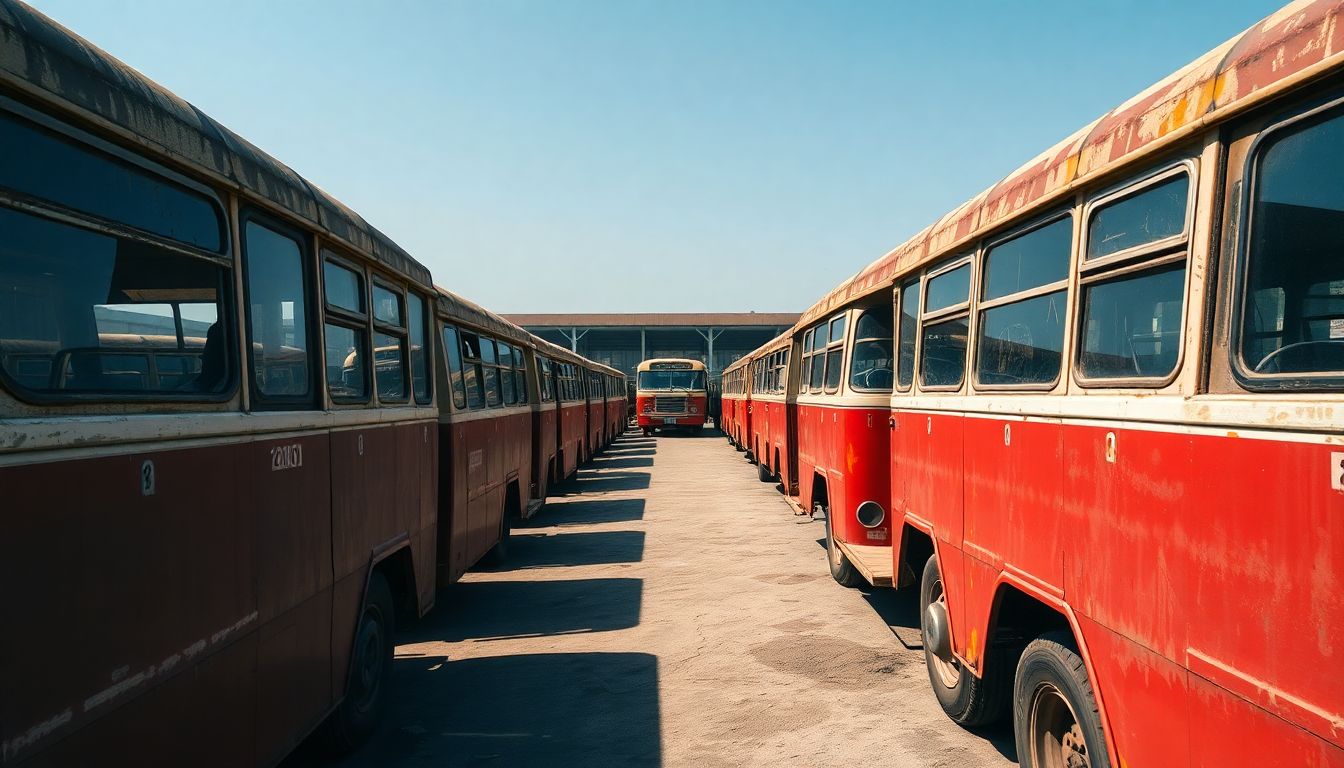
The Maharashtra State Road Transport Corporation (MSRTC) has generated ₹56 crore from the sale of 1,473 condemned buses through a newly adopted centralised auction system, earning nearly ₹1 lakh more per vehicle compared to its previous division-wise disposal method.
The buses, all of which had completed over 15 years in service, were auctioned in July through Registered Vehicle Scrapping Facilities (RVSFs). Officials noted that shifting to a centralised mechanism attracted a higher number of bidders, fostering greater competition that raised the average realization to approximately ₹3.80 lakh per bus.
MSRTC manages a widespread transit network comprising 31 divisions and 251 depots, maintaining a total fleet of roughly 14,500 buses. Under normal operational cycles, between 2,000 and 2,500 buses reach the end of their operational life each year and are decommissioned for scrapping.
Under the earlier framework, individual divisions conducted independent sales locally. That decentralised approach often suffered from prolonged timelines and struggled to secure competitive bids from buyers.
To resolve these operational inefficiencies and maximise returns, the transport corporation introduced centralised auctions through RVSFs. Transport officials stated that the enhanced financial yield from the July sales could lead MSRTC to maintain the centralised auction model for future scrap vehicle disposals.
The additional revenue arrives as the state transport undertaking seeks measures to stabilise its financial health. Shrirang Barge, general secretary of the Maharashtra ST Karmachari Congress, noted that capturing savings in smaller operations alongside better exploitation of revenue avenues could assist in curbing MSRTC's overall losses.
With thousands of aging vehicles scheduled for retirement over the coming years, transport authorities view the enhanced disposal process as a critical step toward improving asset management and boosting revenues for the public transport undertaking.