MTAC Demands Overhaul of E-Challan System in Meeting With Maharashtra Traffic Police
The Maharashtra Transporters Action Committee (MTAC) has sought an overhaul of the e-challan enforcement system in Mumbai, alleging that penalties are frequently issued without scientific verification and demanding greater transparency in traffic enforcement across Maharashtra.
The committee raised these concerns during a formal meeting with senior traffic officials, including Additional Director General of Police (Traffic) Praveen Salunke, Superintendent of Police (Traffic) Sunil Bhardwaj, and Inspector of Police (Traffic) Jadhav. Representatives across multiple segments of the commercial transport sector—including operators of trucks, tempos, tankers, buses, trailers, LPG carriers, and both local and outstation services—attended the discussion.
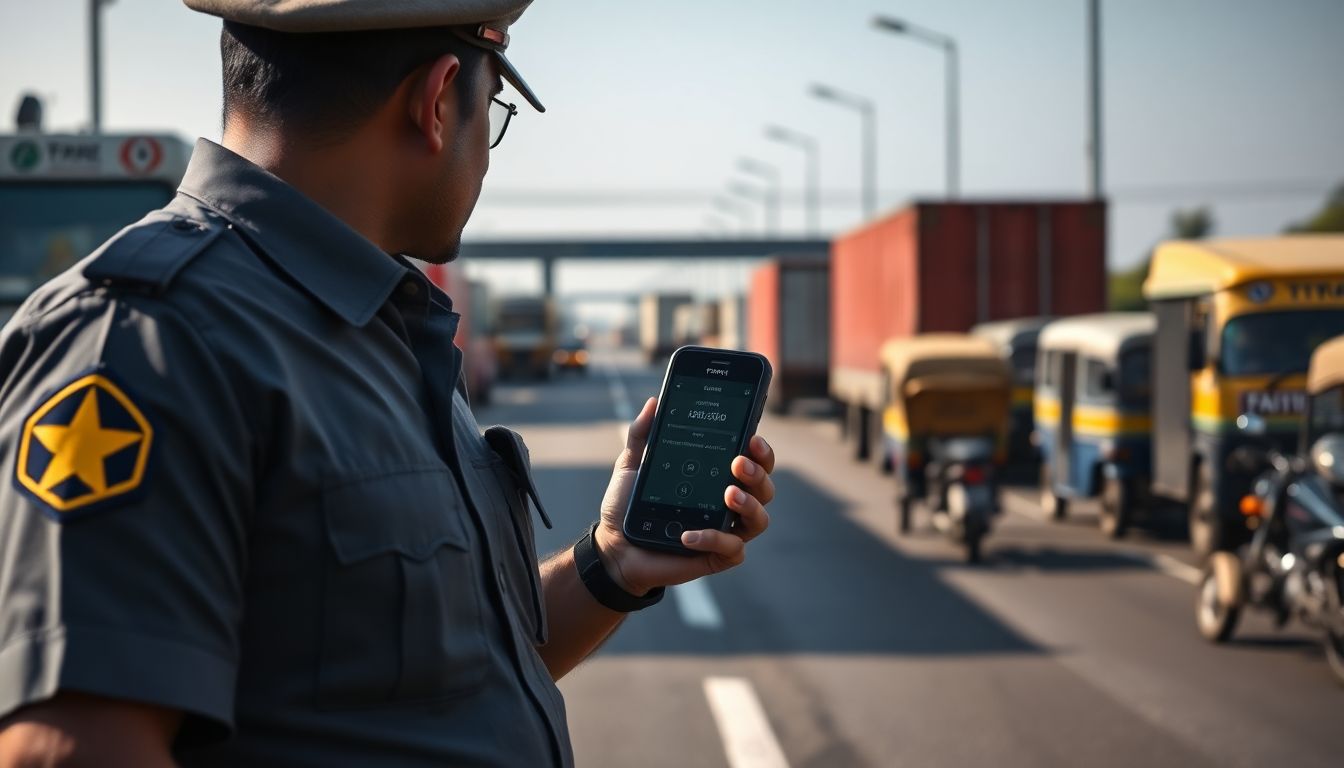
In a memorandum submitted to the Traffic Police, the MTAC highlighted that enforcement personnel often capture images of stationary or moving vehicles using handheld devices or cameras and issue e-challans based on those photographs. The committee questioned the evidentiary validity of such images, noting they often lack essential timestamps, accurate location data, or adequate scientific corroboration.
To address these gaps, the transporters demanded that all e-challans be substantiated by verifiable evidence, such as closed-circuit television (CCTV) or video footage, Automatic Number Plate Recognition (ANPR) systems, artificial intelligence tools, sensors, and GPS data. They insisted that all captured evidence must be clearly timestamped and geo-tagged.
The MTAC also called for real-time notifications to be sent to vehicle owners whenever a violation is logged, as well as an automated system to de-blacklist vehicles immediately after dues are cleared through payment or court settlement.
Additionally, the committee voiced strong opposition to the roadside recovery of pending e-challans and urged the authorities to establish a single-window mechanism to adjudicate disputed violations. The group also proposed introducing an amnesty scheme to address erroneous, unverified, and discretionary penalties.
Emphasising that flawed enforcement impacts everyday motorists as well as commercial operators, the committee maintained that structural reforms are essential to restore fairness, accountability, and transparency to traffic policing in the state.