Mumbai And Maharashtra Consumers Raise Concerns Over New Smart Electricity Meters
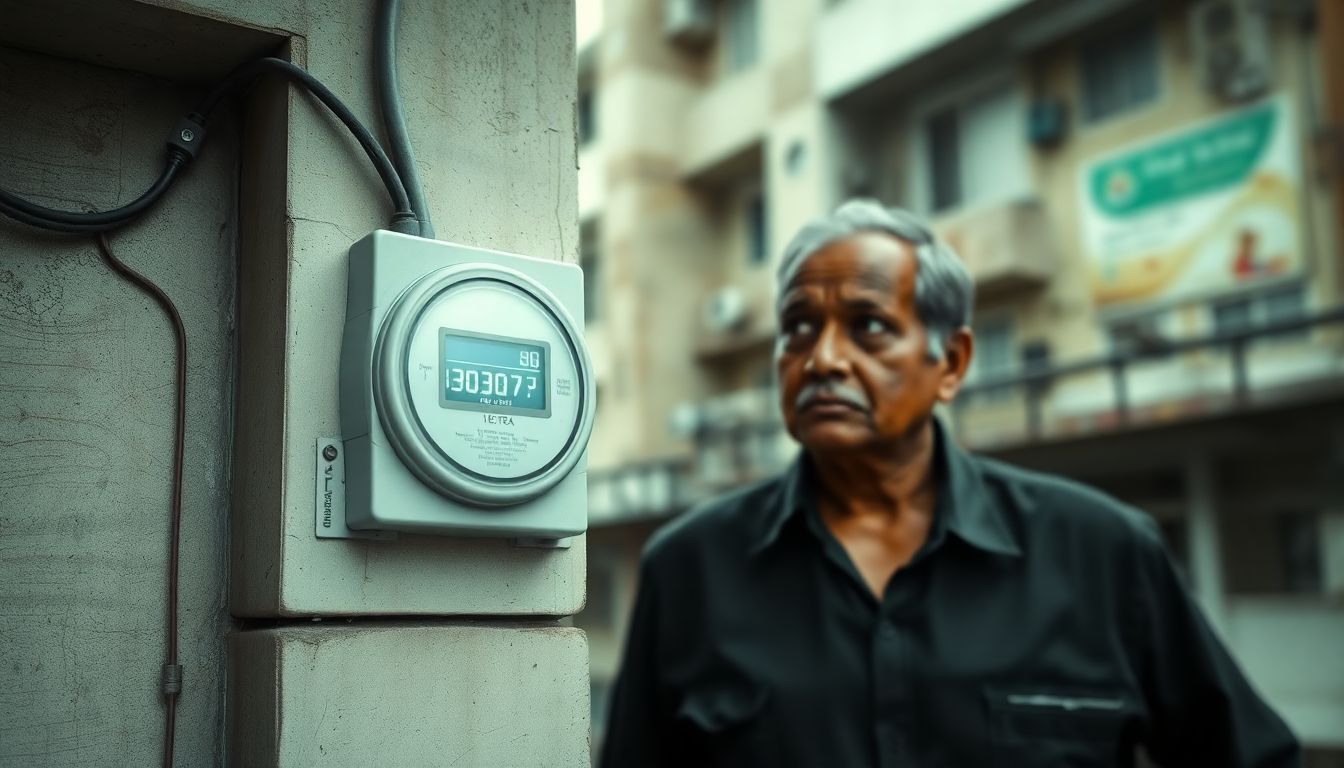
Electricity consumers across Mumbai and Maharashtra have raised significant concerns following the rollout of new internet-connected smart meters. The initiative, which was reported on July 20, 2026, has led to a growing number of complaints from local residents regarding forced installations, a lack of prior notification, and unexpected increases in their electricity bills.
The transition is part of a nationwide modernisation programme aimed at upgrading the electrical infrastructure. Under this initiative, conventional digital electricity meters are being systematically replaced with smart meters. Multiple major electricity distribution companies are executing this transition across the region, including BEST, Adani Electricity, Tata Power, MSEDCL, and Torrent Power.
While the power companies are pushing forward with the modernization drive, local consumers have expressed frustration over how the installations are being conducted. Many residents have alleged that the new smart meters are being installed without their consent or any prior notice from the utility providers.
Furthermore, the rollout has sparked financial worries among households in Mumbai and Maharashtra. A primary source of consumer complaints is the sudden rise in electricity bills observed after the conventional digital meters were swapped out for the new internet-connected devices.
The power distribution companies, which include BEST, Adani Electricity, Tata Power, MSEDCL, and Torrent Power, are replacing the older digital meters as part of a broader, nationwide initiative to modernise the power grid. Despite the technological goals of the programme, the execution has faced significant backlash from the public due to these sudden changes.
As the nationwide modernisation programme continues, tension remains between the distribution companies implementing the smart meters and the local consumers who are experiencing higher costs and forced installations. The complaints highlight a growing gap in communication between the utilities and the public during this transition period.