Mumbai H1N1 cases nearly treble to 113 as monsoon diseases surge
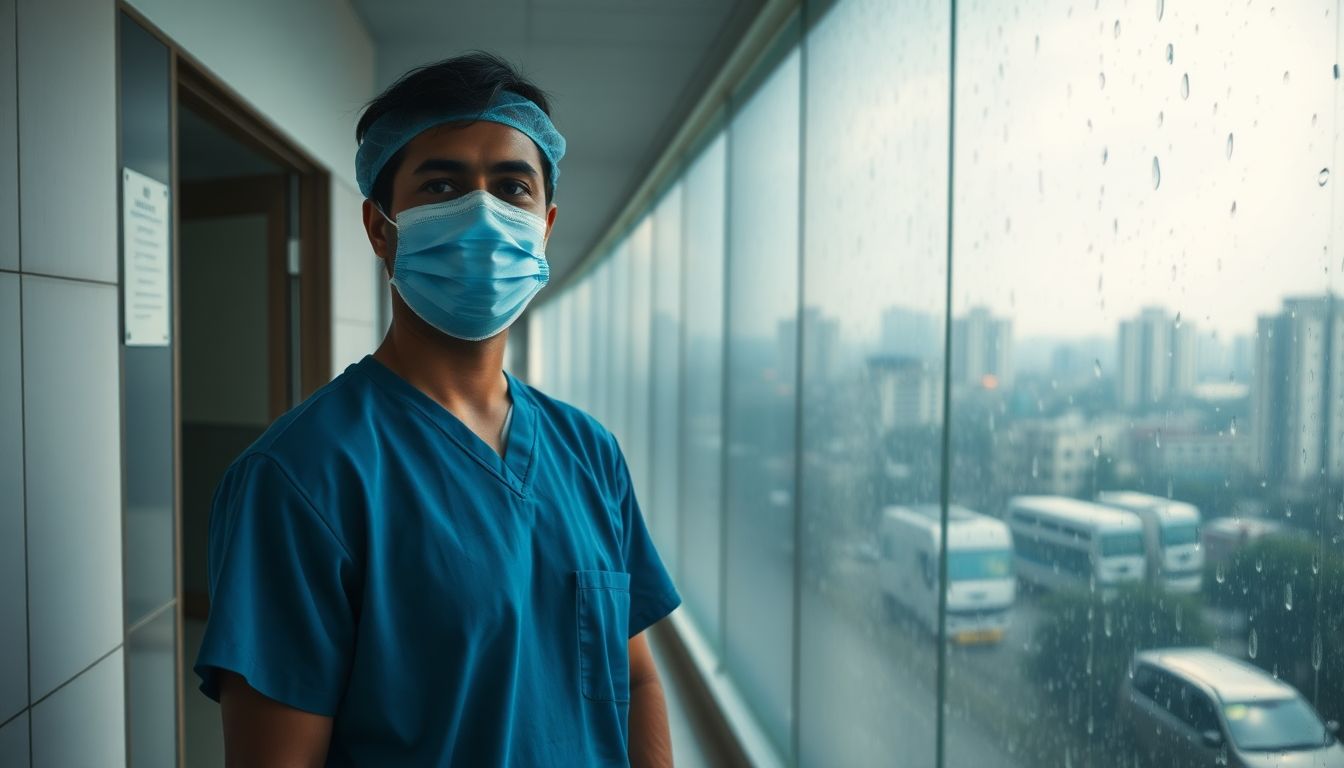
H1N1 cases in Mumbai nearly trebled to 113 between January and mid-July this year, up from 41 cases reported during the same period last year, according to data from the Brihanmumbai Municipal Corporation (BMC) health department. The spike has been accompanied by a rise in other vector-borne diseases across the city, prompting warnings from medical experts at local institutions like Nanavati Hospital and Bombay Hospital.
Medical professionals attributed the sharp rise in H1N1 infections to erratic weather patterns. Dr. Hemalata Arora, an infectious diseases expert at Nanavati Hospital, said the city has experienced abrupt weather swings characterised by high temperatures and humidity. According to Dr. Arora, viruses thrive in these conditions.
While the majority of the H1N1 cases in the city remained mild, local hospitals reported increased severity among vulnerable populations. Patients over the age of 60 and those with underlying comorbidities experienced more severe illnesses, with some requiring ventilator support.
Alongside the rise in H1N1, other monsoon-related diseases surged in Mumbai during the same January to mid-July period. Malaria cases rose from 3,115 to 3,681, while dengue cases climbed from 734 to 938. Leptospirosis cases also saw an increase, rising from 136 to 157. The BMC’s health department noted that these diseases typically surge as the monsoon progresses, though the department was unable to provide a monthly breakdown of the data.
Although H1N1 cases have recently begun to show a downward trend, health officials warned that other seasonal illnesses are now emerging. Dr. Gautam Bhansali, a consultant physician at Bombay Hospital, said the season for chikungunya and dengue has begun. Dr. Bhansali reported that hospitals are seeing patients presenting with joint pain, fever, and vomiting, which are common symptoms of chikungunya.