Mumbai Homebuyers Spend 69 Percent Of Income On EMIs Making It Least Affordable Market
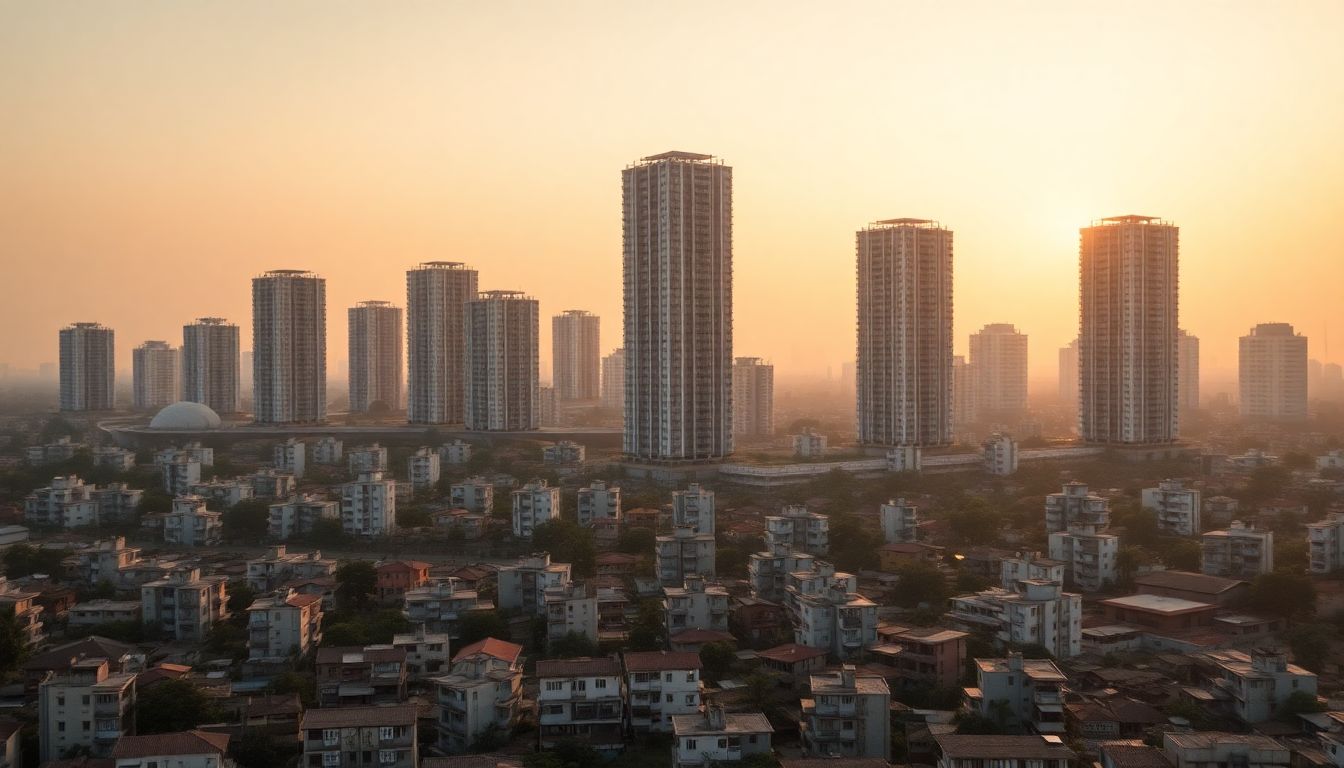
The Mumbai Metropolitan Region (MMR) has retained its position as India's least affordable housing market in the first half of 2026, forcing typical homebuyers to spend 69 percent of their household income on monthly loan repayments. According to the latest Affordability Index released by Knight Frank India, the region's affordability ratio remained unchanged from the previous year, staying well above the critical threshold for bank lending.
The index measures the proportion of a household's monthly income required to pay equated monthly instalments (EMIs) on an average home. At 69 percent, MMR remains significantly higher than the 50 percent affordability benchmark, a level beyond which banks are generally reluctant to underwrite housing loans.
According to the report, falling borrowing costs have not been enough to offset the impact of high property prices for Mumbai's homebuyers. The affordability gains achieved through cumulative interest rate cuts have been neutralized by sustained property price appreciation in the country's costliest housing market.
Nationally, only MMR and the National Capital Region (NCR) breached the 50 percent threshold, with NCR worsening slightly to 67 percent in the first half of 2026. In contrast, Ahmedabad emerged as the country's most affordable housing market with an EMI-to-income ratio of 23 percent, followed by Pune at 28 percent and Bengaluru at 35 percent.
While other major cities saw massive improvements over the last decade—such as Pune improving from 57 percent in 2016 to 28 percent in 2026—Mumbai's ratio has remained stubbornly high despite a gradual decline from 77 percent in 2016.
Shishir Baijal, Chairman and Managing Director of Knight Frank India, noted that housing affordability continues to be a key driver of residential demand. He stated that while lower interest rates have supported buyers, rising property prices have moderated those gains. Baijal added that sustained income growth will be crucial for improving affordability over the long term.
The report also highlighted that the Reserve Bank of India kept the policy repo rate unchanged at 5.25 percent during its February and June 2026 meetings, indicating near-term rate stability.