Mumbai Homeless in Bandra East and Dadar Brace for Monsoon Amid Shelter Shortage
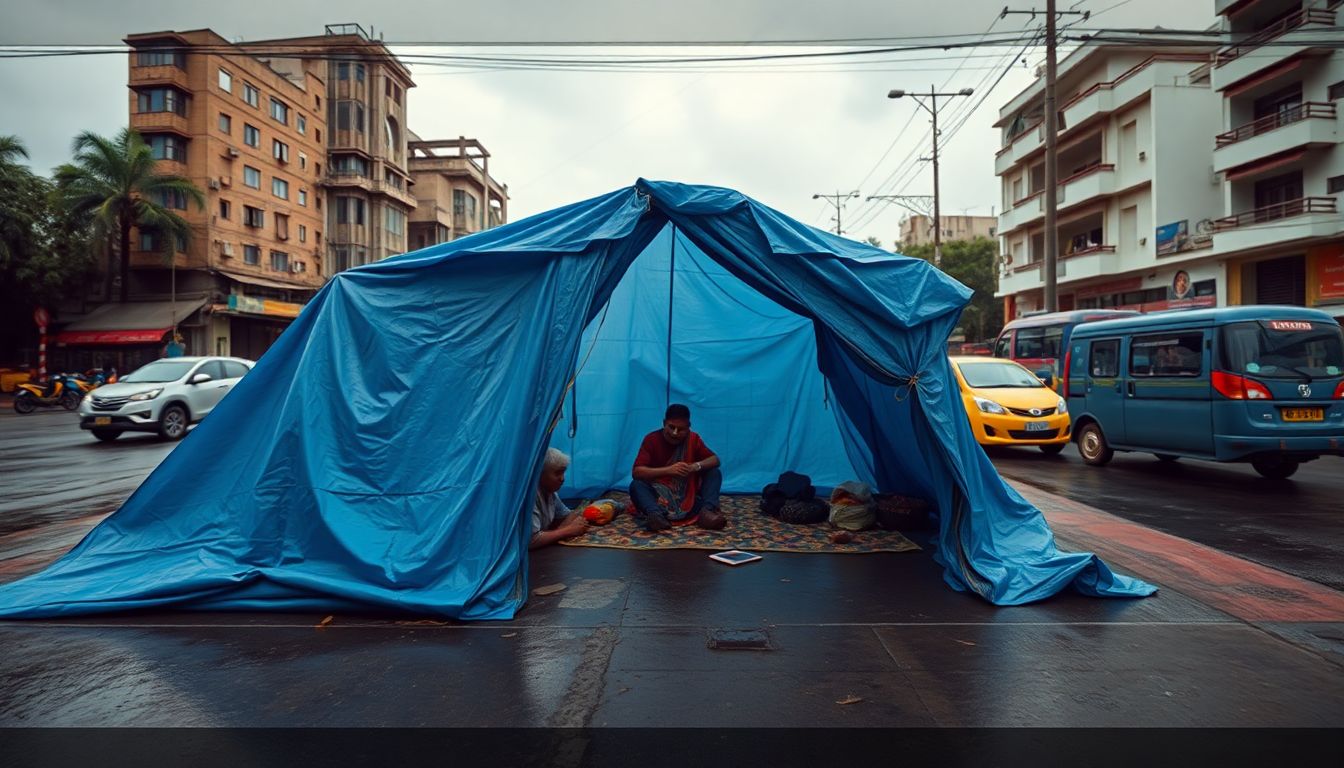
As the pre-monsoon season begins, homeless residents and daily wage workers in Mumbai’s Bandra East, Dadar, and Navi Mumbai are bracing for severe economic hardships, health hazards, and shelter shortages. With the city housing over 1.5 lakh homeless people but offering only 23 night shelters, thousands of families are left with no choice but to face the impending rains on the pavements.
In Bandra East, 33-year-old daily wager Shabbir Khan has stacked a month's worth of dry firewood under a plastic-sheet shelter where his eight-member family lives. Khan, who earns Rs 8,000 to Rs 10,000 a month living on a footpath, noted that dry wood is impossible to find during the rains. He also expressed fears over health hazards, recalling how he lost his two-week-old child to diarrhoea two years ago due to stagnant, filthy water that accumulates for weeks.
In Dadar, barefoot ragpicker Mukesh Jha, a BA graduate from Bihar who earns barely Rs 150 a day collecting discarded bottles, faces severe food insecurity as work dwindles during the rains. Jha also highlighted the threat of theft and violence on the streets, noting he has been robbed twice, beaten, and forced to beg by drug addicts while sleeping.
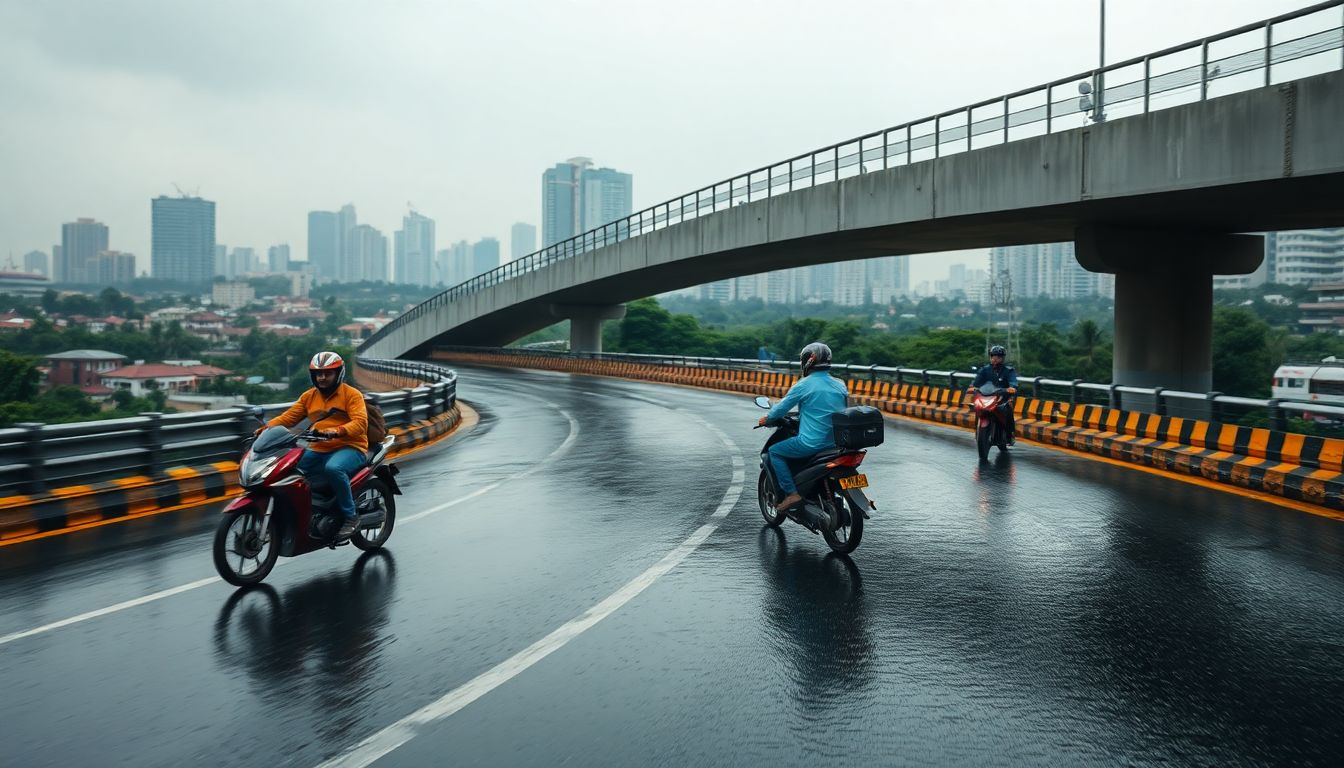
Meanwhile, in Navi Mumbai, migrant workers like 40-year-old Vinodha Bhosle from Amravati are stranded under a bridge after recent rains submerged their shanties. Bhosle, whose family cleans gutters before the monsoon for Rs 500 to Rs 1,000 a day, said their contractor has not cleared their dues, and civic officials have ordered them to leave.
According to Sitaram Shelar, director of the Centre for Promoting Democracy, nearly 85 percent of Mumbai’s homeless are from Maharashtra, and 70 percent belong to historically marginalised denotified and nomadic tribes. Shelar pointed out that despite Supreme Court mandates recognizing shelter as a right to life under Article 21, the city continues to rely on a handful of shelters. The existing 23 shelters have a capacity for only about 2,500 people and are mostly designed for individuals, forcing families to remain exposed on the pavements during the harsh monsoon.