Mumbai Lake Levels Reach 93.80 Per Cent Capacity Following Steady Rainfall
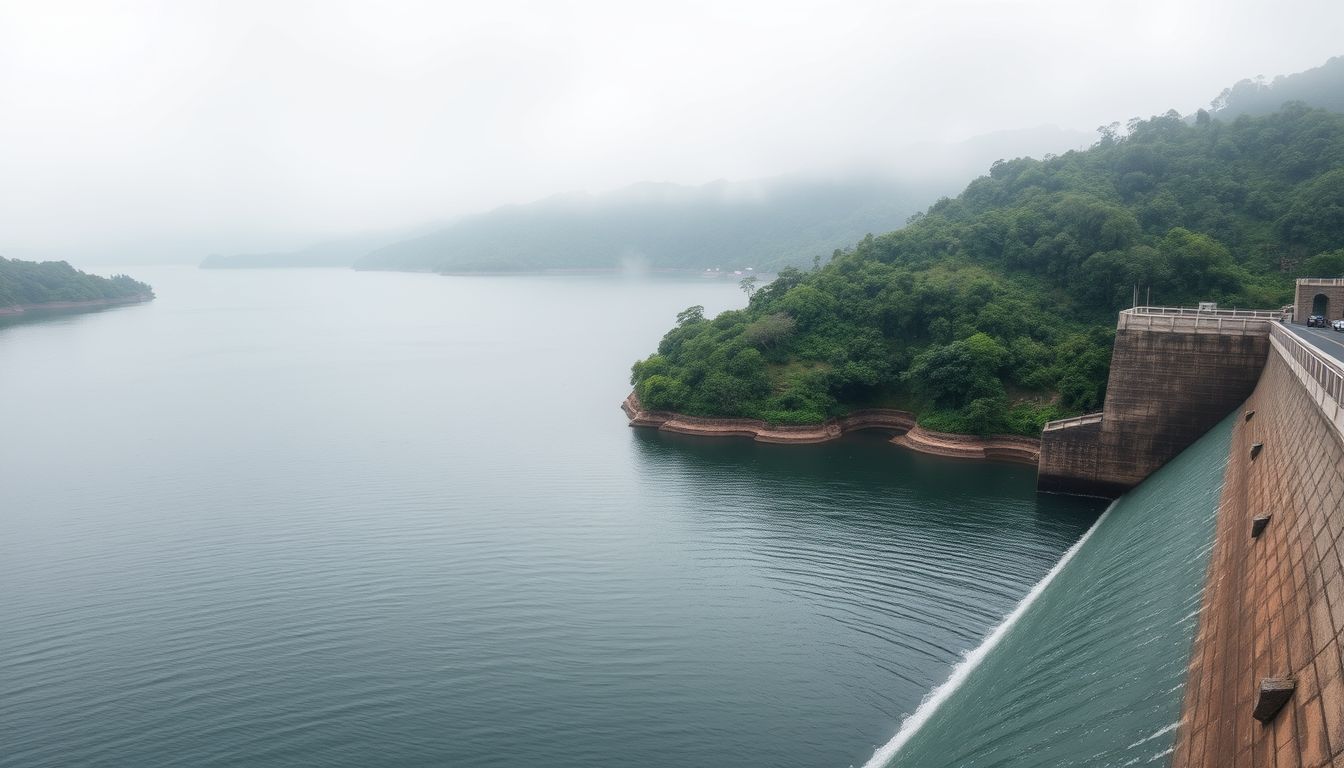
Mumbai's water stock in the seven reservoirs supplying the city reached 93.80 per cent of their total useful live storage capacity as of 6 am on August 18, 2026, following steady rainfall across the catchment areas.
According to data from the Brihanmumbai Municipal Corporation's (BMC) Hydraulic Engineer's Department, the seven lakes collectively hold 13,57,667 million litres (ML) of useful water against a total capacity of 14,47,363 ML. The stock rose by 1.64 percentage points over a 24-hour period, up from 92.16 per cent recorded a day earlier.
The current storage level is higher than the reserves recorded on the same date in the previous two years. On August 18, 2025, the combined water stock stood at 91.18 per cent, while it was 93.04 per cent on August 18, 2024.
Three of the seven lakes—Modak Sagar, Vehar, and Tulsi—have reached 100 per cent of their useful live storage capacity. Modak Sagar holds 1,28,925 ML, Vehar holds 27,698 ML, and Tulsi holds 8,046 ML. Tansa is also close to full capacity at 99.58 per cent with 1,44,475 ML of water.
Among the other reservoirs, Middle Vaitarna has reached 97.11 per cent capacity, while Bhatsa stands at 92.84 per cent. Upper Vaitarna currently holds 1,94,854 ML of water, taking its live storage level to 85.82 per cent.
Rainfall recorded across the catchment areas contributed directly to the rise in water levels. Modak Sagar recorded 54 mm of rainfall, Upper Vaitarna received 52 mm, and Middle Vaitarna logged 51 mm. Tansa recorded 46 mm of rain, while Vehar recorded 29 mm, Bhatsa 20 mm, and Tulsi 16 mm.
Several reservoirs began overflowing earlier in the monsoon season. Vehar and Tulsi started overflowing on July 7, followed by Tansa Dam on July 22 and Modak Sagar Dam on July 23. Operational measures implemented earlier remain active, including the closure of the Middle Vaitarna WSCPO gate and the halting of releases from Upper Vaitarna, both in effect since July 6.