Mumbai Lake Levels Stand at 95.83% Storage Capacity as of September 2
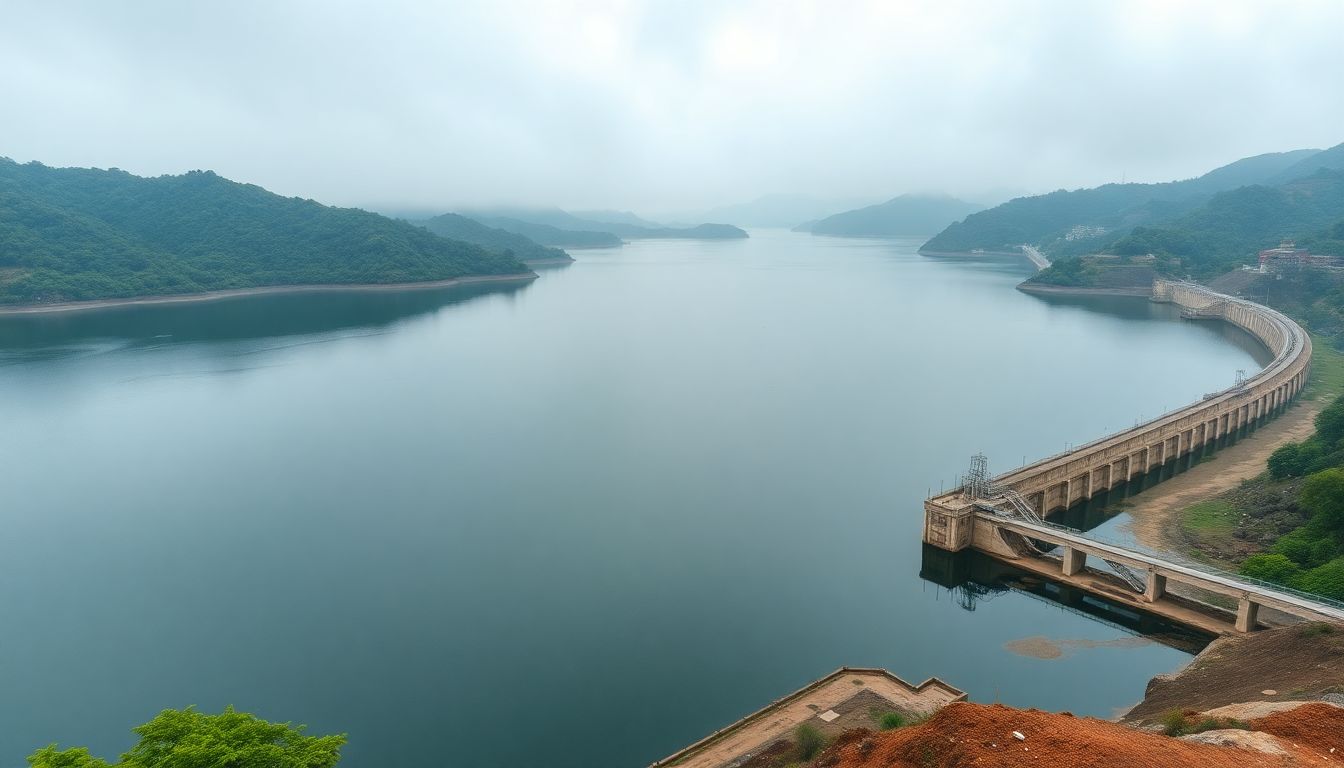
Useful water stock in the seven reservoirs that supply drinking water to Mumbai stood at 95.83 per cent as of 6 am on September 2, 2026, according to figures released by the Hydraulic Engineer’s Department. The storage level registered a marginal dip from the 95.87 per cent recorded on Tuesday morning.
The seven catchment reservoirs collectively held 13,86,969 million litres (ML) of useful water against their combined total live storage capacity of 14,47,363 ML. Despite the slight day-on-day decline in water levels, the cumulative stock remained above 95 per cent, indicating a comfortable and stable supply position for the city.
Among the seven individual water bodies, Vehar recorded full useful water stock at 100 per cent. Modak Sagar was nearly full at 99.29 per cent capacity, while Tansa stood at 98.29 per cent and Middle Vaitarna recorded 98.15 per cent. Tulsi was filled to 97.50 per cent of its capacity, Bhatsa stood at 94.83 per cent, and Upper Vaitarna held 89.76 per cent of its capacity.
The lake catchments continued to receive light rainfall in the 24 hours leading up to the measurement at 6 am on September 2. Tansa lake received the highest rainfall among the reservoirs with 26 mm, followed by Middle Vaitarna with 15 mm. Modak Sagar and Tulsi each logged 14 mm of precipitation, Upper Vaitarna recorded 12 mm, while Bhatsa and Vehar registered 8 mm of rainfall each during the same 24-hour window.
The department's report noted that Vehar and Tulsi were the first lakes to start overflowing this season, having breached their overflow marks on July 7. Tansa subsequently began overflowing on July 22, and Modak Sagar reached its overflow mark on July 23. Upper Vaitarna also attained its overflow level during July.
With the seven reservoirs holding close to 96 per cent of their aggregate live storage capacity, Mumbai continues to maintain a robust water reserve across its supply network.