Mumbai Police Seek In Absentia Trial for Hafiz Saeed Under BNSS in 26/11 Case

The Mumbai police have moved to prosecute wanted accused in the 26/11 Mumbai terror attack case, including Hafiz Saeed, in their absence under new provisions introduced in the Bharatiya Nagarik Suraksha Sanhita (BNSS) 2023.
The decision allows the legal process to move forward against key suspects even though extradition efforts to bring them to India have not yielded positive results. Under Section 356 of the BNSS, a court can conduct a criminal trial in the absence of an accused person who has been officially declared a proclaimed offender. According to the law, such a declaration means the accused has waived their right to be prosecuted in person.
The prosecution had previously sought a proclamation notice against the wanted accused in June. It is now preparing to submit its formal report on the proclamation at the next court hearing.
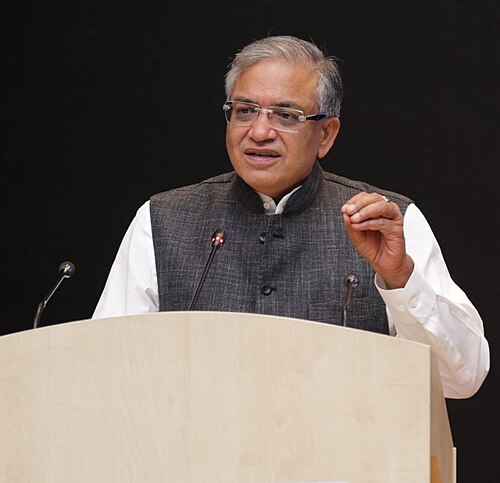
Special Public Prosecutor Ujjwal Nikam explained the procedure, noting that the court will evaluate the submission before issuing directions.
"After considering our report, if the court considers that the wanted accused would not present themselves before the court, the court may pass an order to conduct the trial against these wanted accused in their absence," Nikam said.
If the court orders the trial to proceed in absentia, a lawyer can be appointed by the court to handle the legal representation of the accused. The court-appointed advocate will represent the accused individuals and cross-examine witnesses during the hearings.
"We will hence examine the relevant witnesses again to conduct the trial against them," Nikam added.
The 26/11 terror attacks took place on November 26, 2008, when 10 Pakistani terrorists arrived in Mumbai via a sea route and opened fire indiscriminately. The assault resulted in the deaths of 166 people, including 18 security personnel, injured numerous others, and caused damage to property worth crores of rupees.