Mumbai pollution complaints spike 531 percent as civic services improve, Praja reports
On June 30, 2026, the Praja Foundation released its Civic Report 2026 in Mumbai, revealing that while the city's civic administration has improved its waste management and complaint resolution times, it continues to struggle with severe environmental challenges and a massive 531 percent spike in pollution-related complaints over the last decade.
The report, which analyzed data trends from 2016 to 2025, showed that Mumbai's waste generation reduced by 27 percent. Door-to-door waste collection improved from 80 percent to 100 percent, waste segregation increased from 27 percent to 86 percent, and scientific waste disposal rose from 30 percent to 88 percent.
Mumbai's grievance redressal mechanism also showed progress. The overall complaint closure rate improved from 86 percent in 2023 to 92 percent in 2025, and the average time to resolve a complaint dropped from 48 days to 30 days. For solid waste management complaints, the average resolution time decreased significantly from 40 days to eight days.
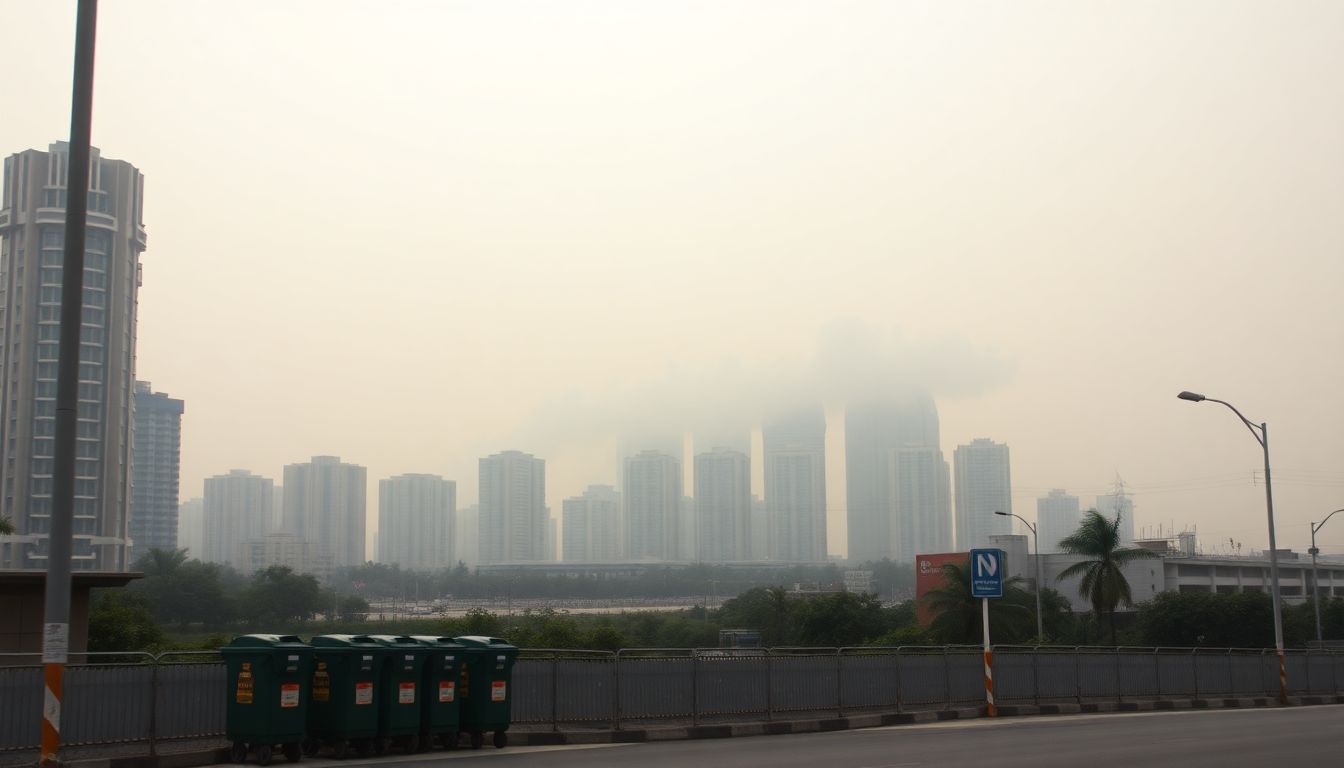
However, the city's overall civic complaints rose by 59 percent between 2016 and 2025. This increase was heavily driven by a 531 percent spike in pollution-related complaints. Complaints regarding solid waste management grew by 281 percent, while water supply and stormwater drainage complaints rose by 96 percent and 88 percent, respectively.
Despite the improvements in waste handling, Mumbai failed to secure even a 1-Star Garbage Free City certification under Swachh Survekshan 2024-25, despite applying for a 3-Star certification.
The study also pointed out ongoing environmental issues, including polluted rivers and beaches, poor sewerage treatment performance, and several Sewage Treatment Plants failing to comply with pollution standards. Furthermore, the city has inadequate monitoring of Mumbai Climate Action Plan (MCAP) indicators and lacks annual public reporting on climate targets.
Milind Mhaske, CEO of the Praja Foundation, emphasized the need for active citizen engagement. "Civic participation should not end with voting; it should continue through reporting local issues, engaging with ward-level representatives, participating in consultations, and using public data to hold institutions accountable," Mhaske said.
The report recommended that MCAP indicators be integrated into the statutory Environment Status Report to establish a unified public climate reporting mechanism.