Mumbai Taxi and Autorickshaw Fares to Increase From September 1
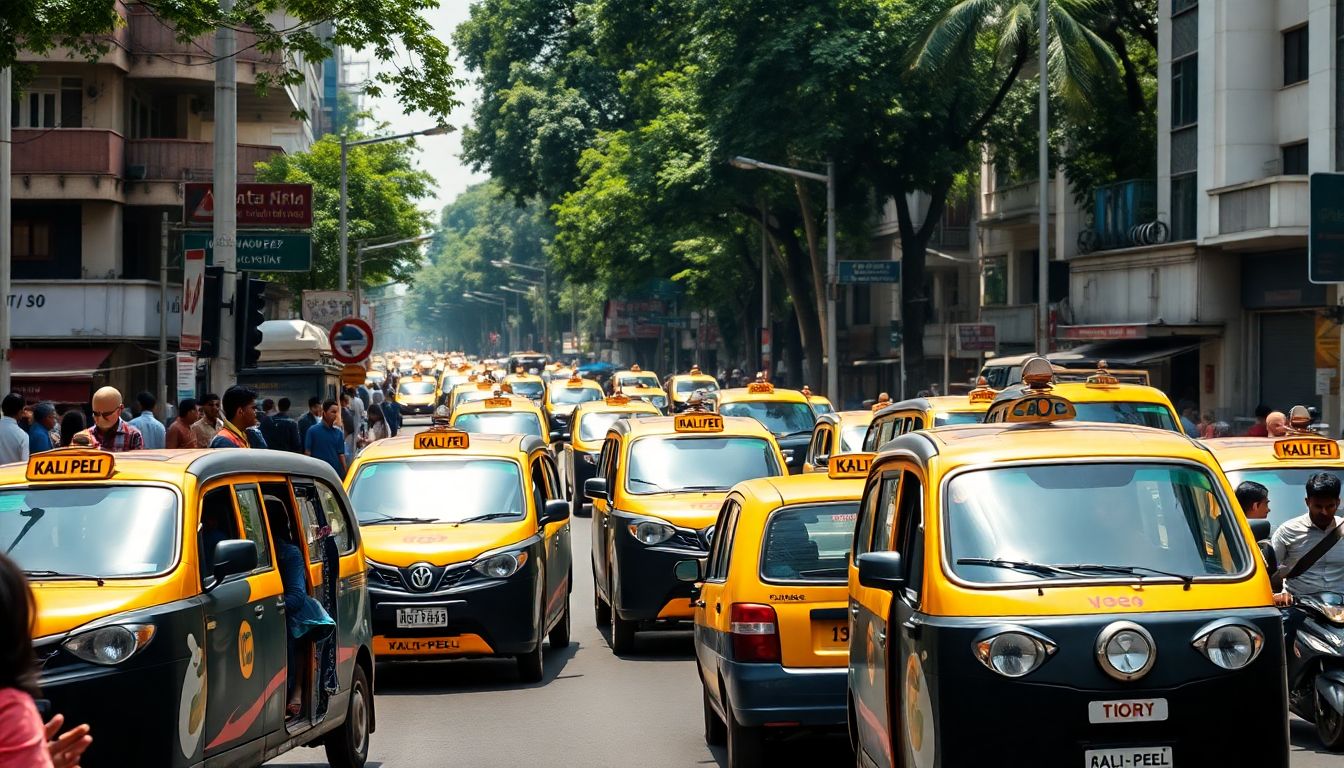
Commuters in Mumbai will face higher travel costs starting September 1, 2026, following the state government's approval of a fare revision for taxis and autorickshaws after nearly 18 months.
The Mumbai Metropolitan Region Transport Authority (MMRTA) approved the revised fare structure during its meeting on Thursday. Under the new rates, the minimum taxi fare will rise by Rs 2, increasing from Rs 31 to Rs 33. The minimum autorickshaw fare will go up by Rs 1, moving from Rs 26 to Rs 27 for the first 1.5 kilometres.
The revision was calculated using the Khatua Committee formula, which considers fuel costs, vehicle purchase expenses, the Consumer Price Index, vehicle loan interest rates, and government taxes. The per-kilometre rate for taxis will climb from Rs 20.66 to Rs 21.90, while the per-kilometre fare for autorickshaws will rise from Rs 17.14 to Rs 18.22. The previous fare revision had been implemented on February 1, 2025.
A state transport department official stated that compressed natural gas (CNG) prices had increased by Rs 8, or 10.25 per cent, since the previous revision, alongside other rising operating expenses. The official noted that taxi unions had requested a per-kilometre rate of Rs 25, which would have resulted in a Rs 4 increase in the base fare.
Driver unions offered mixed reactions to the decision. Thampy Kurien, general secretary of the Mumbai Rickshawmen's Union, welcomed the approval of the hike, noting that complete details would be confirmed once the formal MMRTA order is signed. Shashank Sharad Rao, president of the Autorickshaw Chalak Malak Sanghatana Sanyukt Kruti Samiti Maharashtra, stated that the revision fell short of expectations, as unions had sought an increase of Rs 4 for taxis and Rs 3 for autorickshaws.
Regular commuters expressed concern regarding the cumulative impact of the price adjustment on daily travel budgets. Commuter Vishal Singh noted that even a Rs 1 increase accumulates into a significant sum over regular monthly travel, while Amit Rungta stated the increase adds pressure on commuters relying on public transportation and first- and last-mile connectivity across the city.