Mumbai Traders Association Urges PMO To Make Religious Donations Cashless
The Mumbai-based Federation of Retail Traders Welfare Association (FRTWA) has written to the Prime Minister's Office (PMO) urging the central government to transition all religious institutions to digital donation methods. The appeal follows allegations of financial irregularities involving cash donations at the Ram Mandir in Ayodhya, sparking a debate on transparency among religious administrators in Mumbai neighbourhoods including Kalbadevi and Mahim.
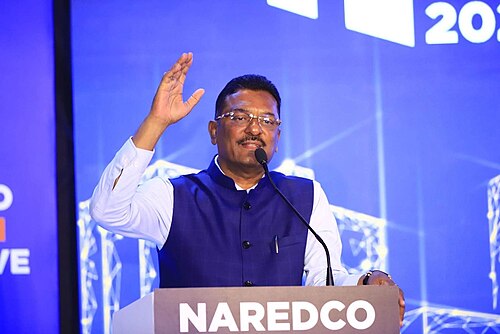
In the letter, FRTWA President Viren Shah proposed that religious institutions, including temples, mosques, churches, and gurudwaras, should shift entirely to digital modes of receiving donations. Shah highlighted that India's Digital India programme and the Unified Payments Interface (UPI) have already transformed the country's payment ecosystem.
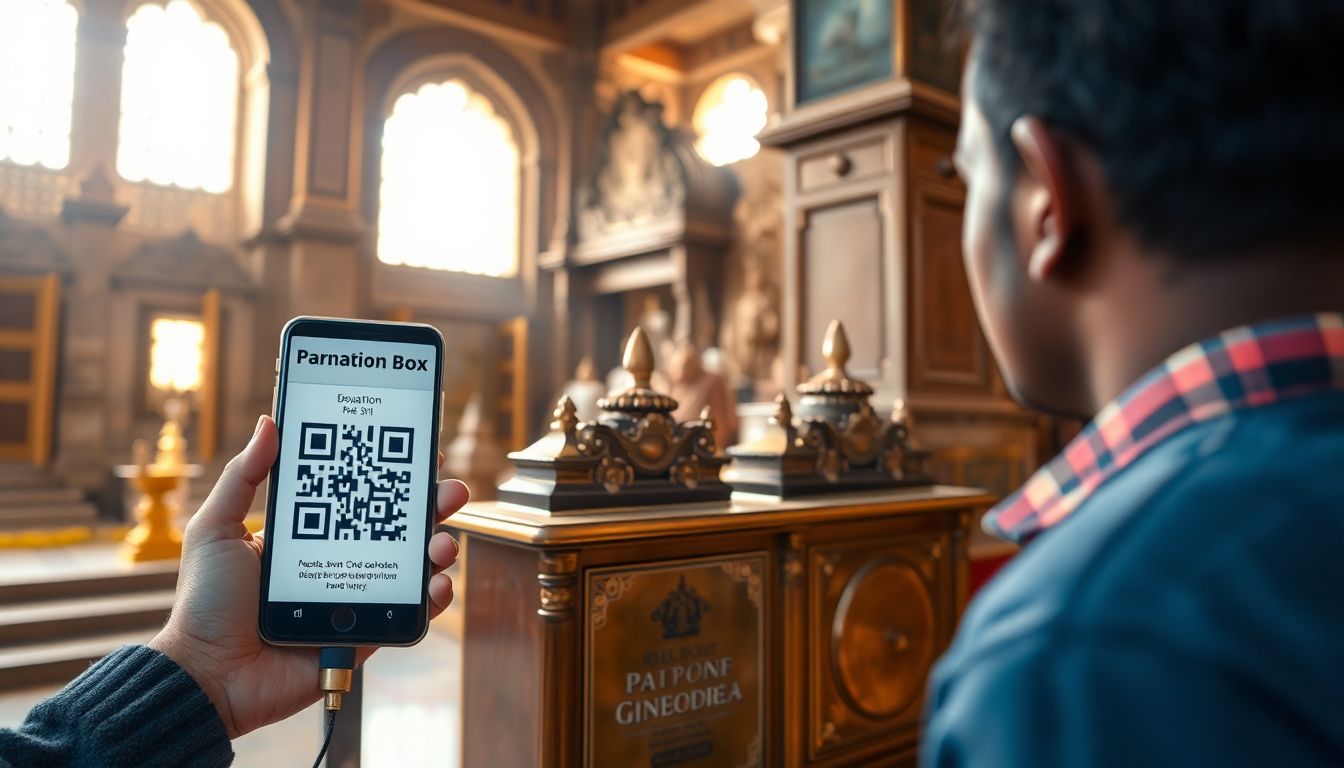
"If India can go cashless in almost every sphere of life, why should donations still be accepted primarily in cash?" Shah asked. He suggested that religious institutions prominently display UPI QR codes and facilitate contributions through debit and credit cards, bank transfers, cheques, and demand drafts to create a reliable audit trail and minimise the risk of siphoning.
However, the proposal has met with mixed reactions from local religious authorities. Hemant Jadhav, manager of the Mumbadevi Temple in Mumbai, stated that while digital payments are growing and account for nearly one-fifth of their total donations, making them compulsory would be incorrect. Jadhav argued that the choice should remain with the donors, noting that many senior citizens do not use digital platforms.
In Kalbadevi, Father Joseph D'Souza, Parish Priest at the Church of Our Lady of Health, noted that while cash offerings continue during Masses, larger donations are already received digitally via NEFT. Meanwhile, a trustee of a mosque in Mahim supported the shift, stating that their institution now receives all donations through QR codes, which simplifies accounting and avoids the issues associated with handling cash.
Priests also raised concerns about the spiritual significance of physical offerings. Naresh Pujari, a Bhagwatacharya at Nashik's Kalaram Temple—where digital payments make up about half of all offerings—argued that physically placing an offering before a deity is a time-honoured tradition that should not be reduced to a bank transaction.